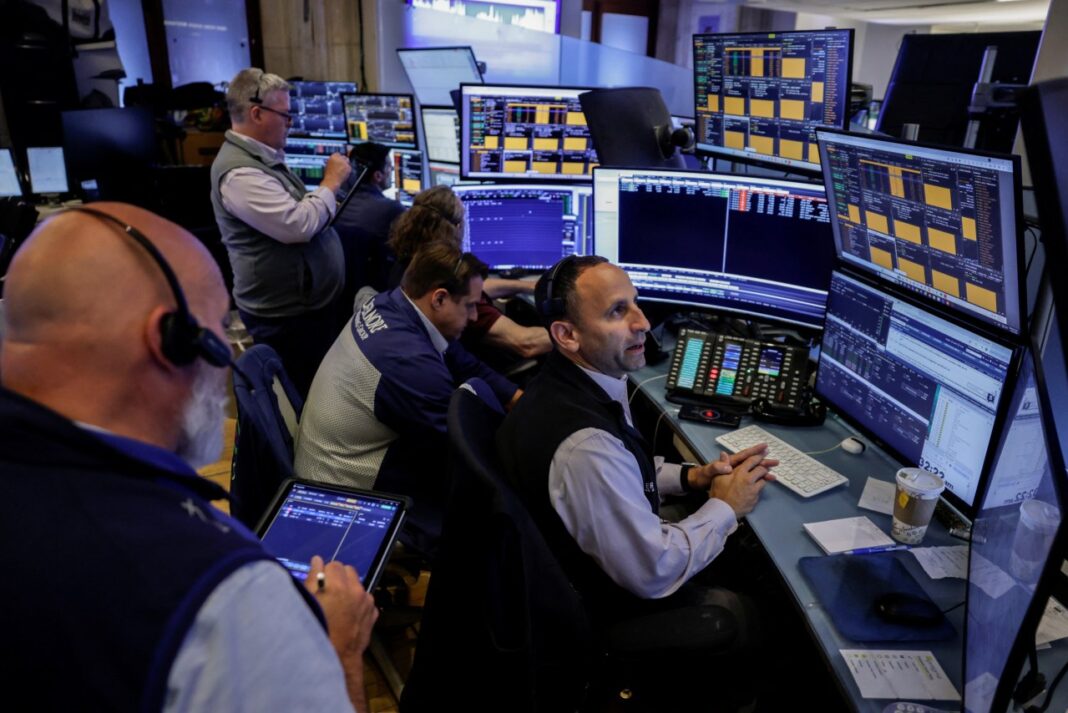
U.S. markets have a long history of forming speculative bubbles, and an equally strong record of recovering from them. Recent turbulence in artificial intelligence-related stocks illustrates this pattern once again. Pullbacks in that sector have been largely absorbed by gains in other areas of the market.
The current correction in AI shares has not spread into a broader decline. Instead, investors have rotated capital into different industries, cushioning the overall index. This rotation has prevented a sharp downturn from becoming a full-blown market crash.
Historically, American markets have shown a remarkable ability to shrug off periods of overvaluation. Bubbles in technology, housing, and other sectors have all burst before, only to be followed by eventual recoveries. The pattern repeats with each new cycle, driven by fresh innovations and investor enthusiasm.
Some analysts point out that this resilience is built into the structure of the U.S. economy, with its diverse sectors and deep capital markets. When one area stumbles, others often step in to support growth. This dynamic has helped limit the damage from past speculative excesses.
However, economists warn that not every bubble will end so mildly. At some point, the bust could be severe enough to overwhelm the market’s natural buffers. Current conditions, though, remain manageable, with no signs of systemic stress.
The AI trade has been a central driver of recent gains, but its volatility is now testing investor confidence. Declines in that segment have been noticeable, yet they have not derailed the broader upward trend in stock indices. This reflects a market that remains diversified and adaptable.
For now, the response to the latest wobble follows a familiar script: sell-off in one corner, buying in another. The overall effect has been a market that continues to climb, even as individual sectors face corrections. Whether this dynamic holds indefinitely remains uncertain.
What is clear is that American markets have built a reputation for absorbing shocks and moving forward. The current episode is just the latest example of that resilience, though the risk of a larger rupture always lingers in the background. Investors, for their part, seem willing to bet on recovery once again.