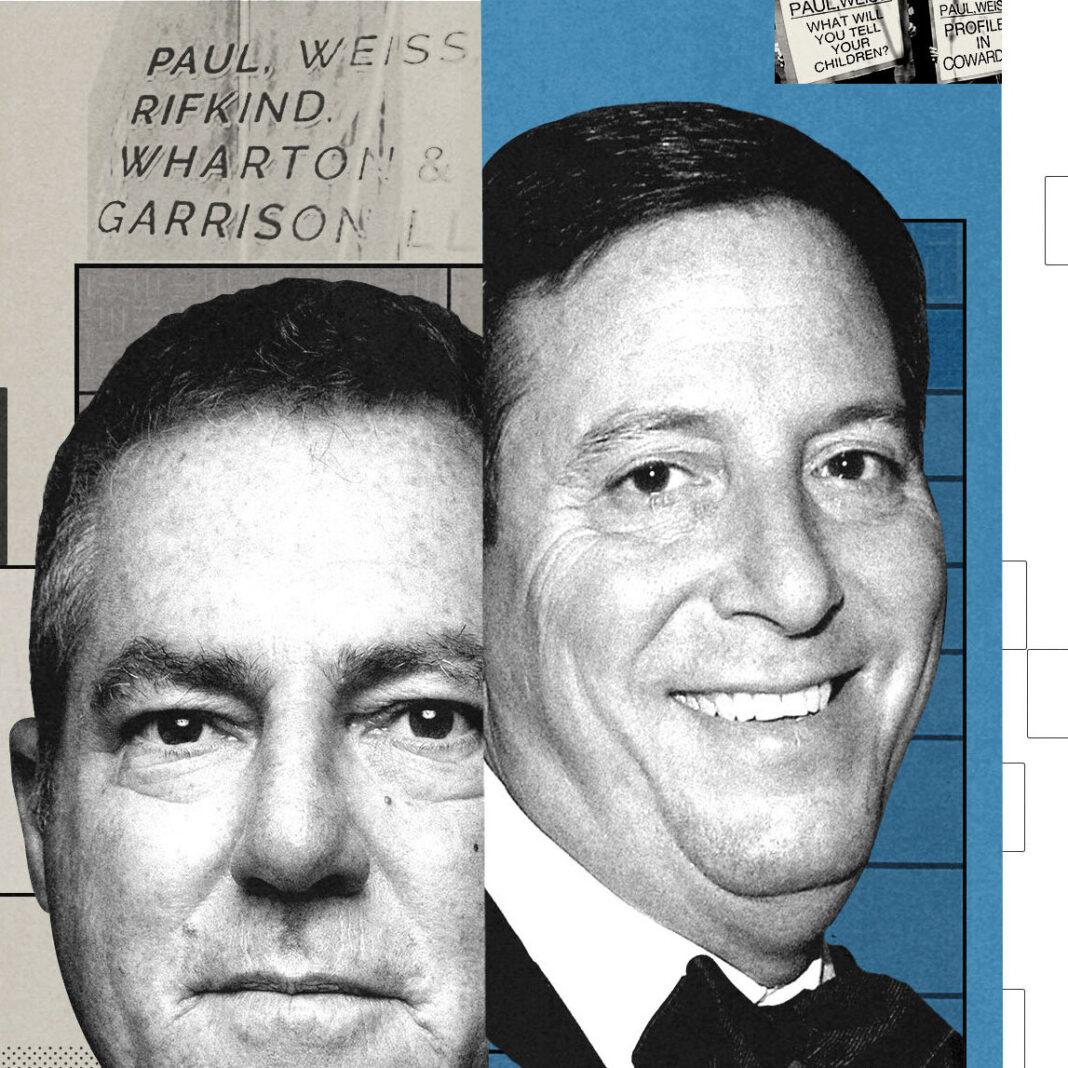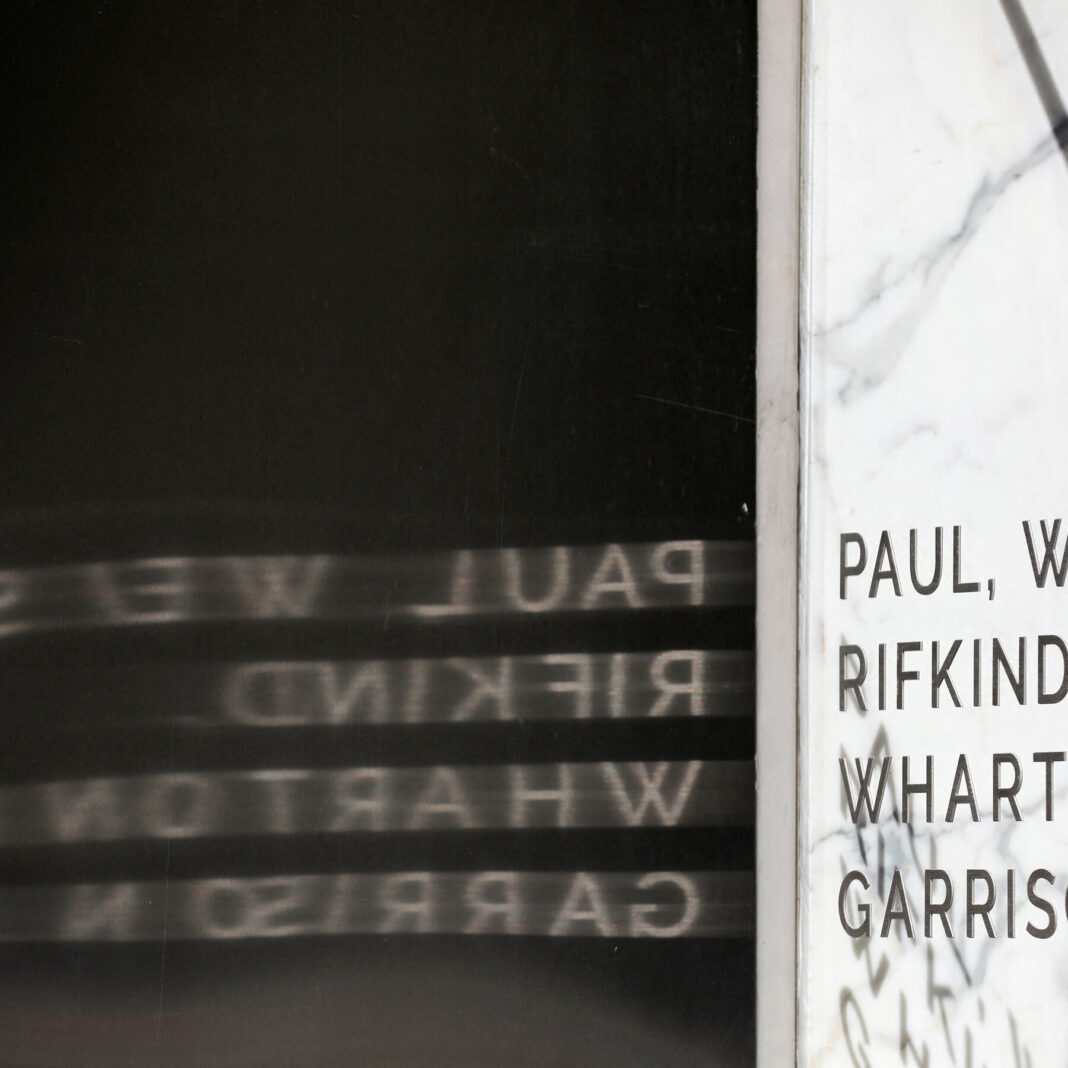
A Times investigation has detailed how Paul Weiss, a law firm once at the forefront of legal challenges to the Trump administration, abruptly reversed course. The firm’s shift has sent ripples across the legal industry, prompting questions about the durability of institutional resistance.
The investigation outlines a sequence of pressure tactics applied by the White House. These actions targeted the firm’s business operations and client relationships. The pressure campaign escalated quickly, leaving the firm with limited options.
According to the report, Paul Weiss’s initial posture was one of defiance. The firm had previously represented clients in cases against the administration. That stance changed following direct threats to its economic standing.
The retreat involved a settlement that included concessions to the administration. Details of the agreement were not fully disclosed, but the move signaled a major shift. Other large law firms are now watching closely to assess their own exposure.
The capitulation highlights the effectiveness of targeted executive action. By focusing on a single institution, the administration demonstrated a method for applying leverage. This approach may now be used against other firms with pending litigation.
Industry experts note that the decision creates a precedent for conflict resolution. Legal entities with government-facing business may now weigh risks differently. The calculus for taking on politically sensitive cases has changed.
The report also examines the personal dynamics within the firm’s leadership. Partners faced a choice between legal principles and financial survival. The outcome suggests that economic considerations ultimately prevailed.
For the broader legal community, the episode serves as a cautionary tale. The balance between advocacy and business interests has been redefined. It remains unclear whether any firm will test the administration’s resolve again.
The full investigation provides a detailed timeline and interviews with key players. It offers insight into how a powerful institution makes decisions under duress. The implications for future legal battles are still unfolding.