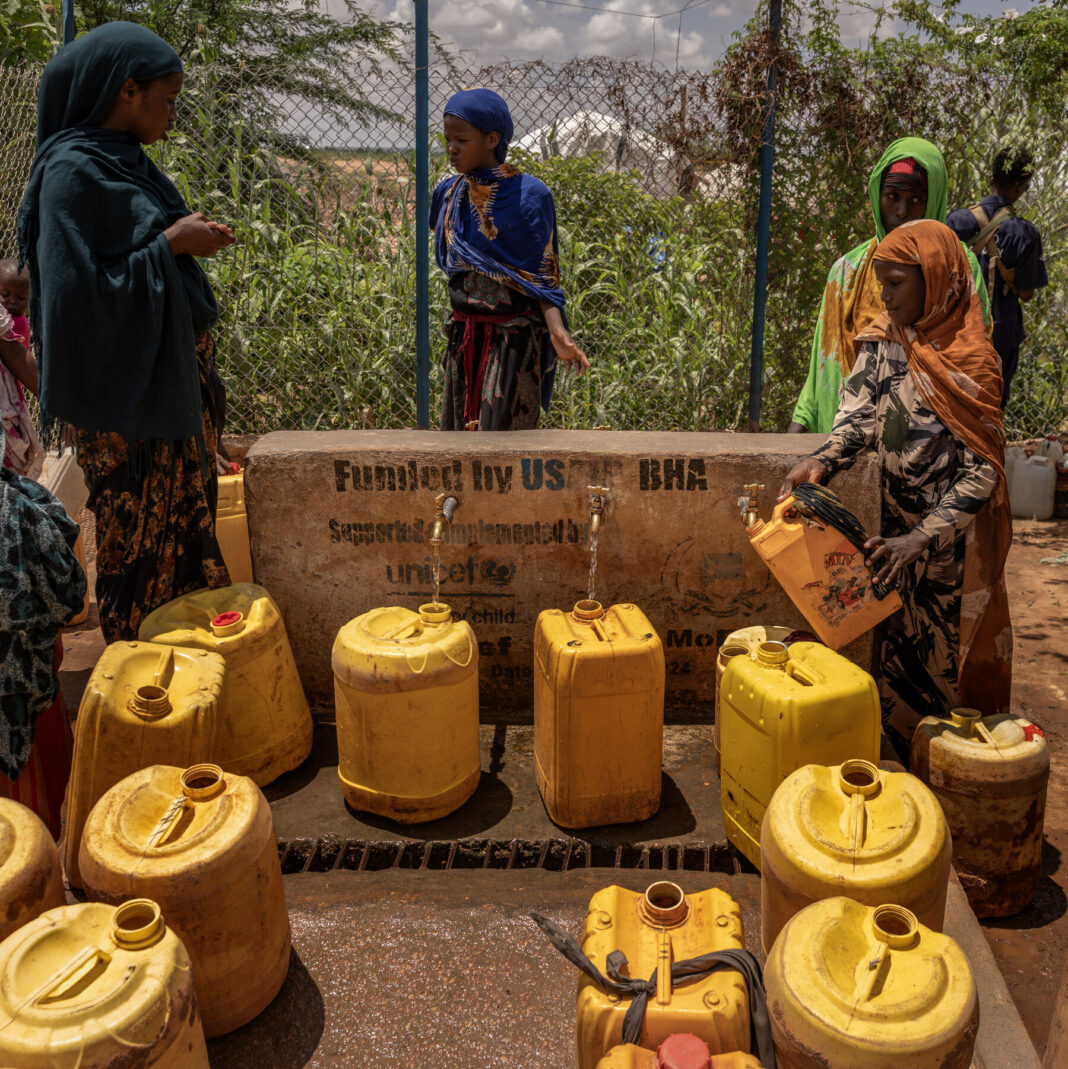
The United States has restored partial funding to UNICEF, Gavi, and the World Food Programme, according to official announcements. The move reverses earlier cuts but leaves overall spending far below previous levels.
The resumed payments target specific efforts to combat malnutrition and infectious diseases worldwide. These programs had faced funding gaps since the initial suspension earlier this year.
A State Department spokesperson confirmed the decision, noting it follows a review of urgent humanitarian priorities. The amount released remains a fraction of what the U.S. contributed in prior fiscal years.
UNICEF will receive support for its immunization campaigns and therapeutic food supplies. Gavi’s vaccine distribution networks, which rely heavily on U.S. commitments, will see a partial inflow of pledged funds.
The World Food Programme’s operations in famine-affected regions are also included in the restored aid package. Logistics for food delivery and maternal health programs are among the funded components.
Officials emphasized that the partial restoration does not signal a return to full-scale aid commitments. Ongoing policy reviews continue to shape the administration’s approach to international assistance.
Advocacy groups have welcomed the funding but stress that the shortfall may still disrupt long-term health initiatives. Program leaders warn that sustained uncertainty complicates planning for vaccine rollouts and emergency responses.
The decision follows weeks of diplomatic pressure from partner nations and global health organizations. Further disbursements will depend on future appropriations and policy direction from Washington.