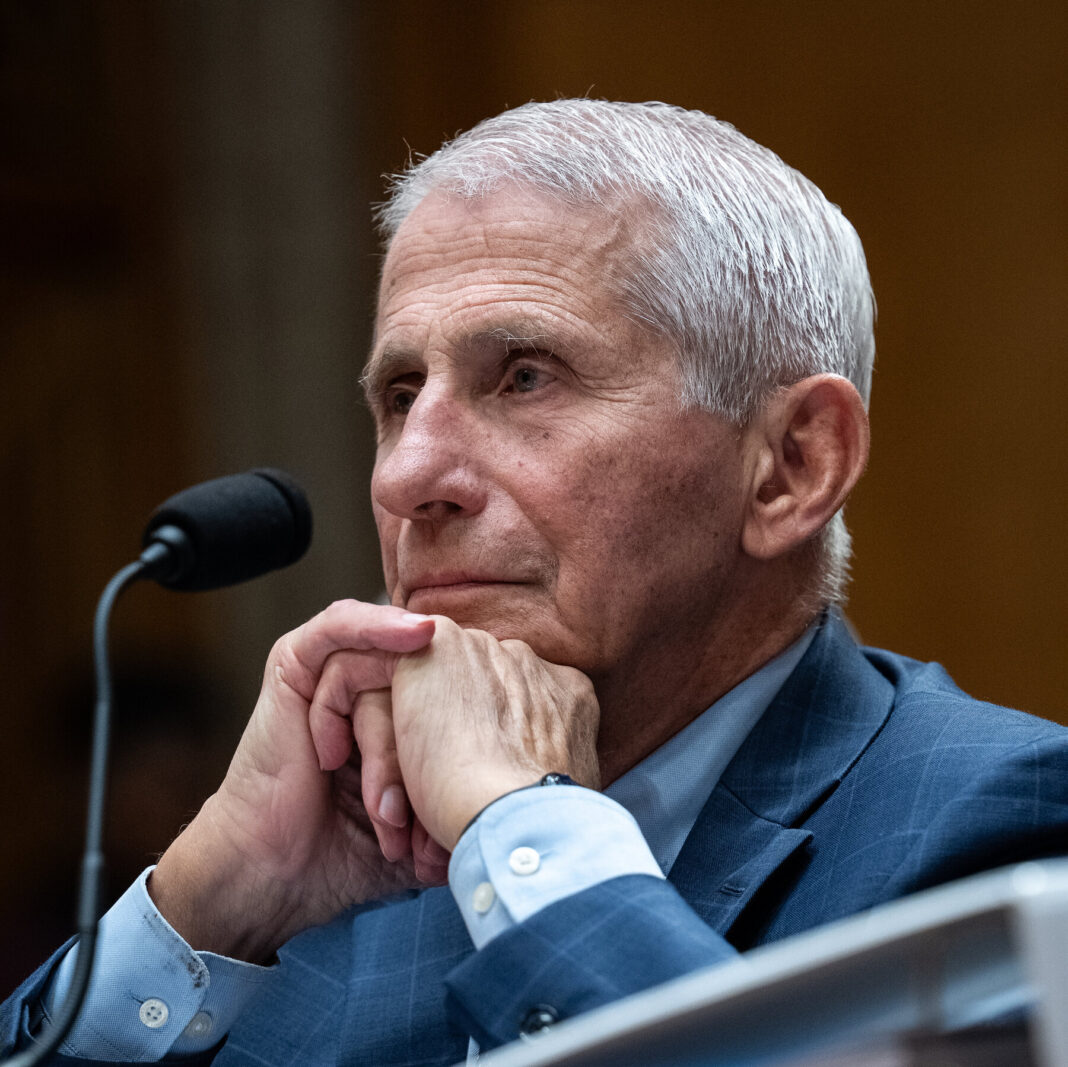
Dr. Anthony Fauci faces a potential contempt vote after declining to answer questions from a Senate committee, citing his Fifth Amendment right against self-incrimination. Republicans on the panel argue he is not eligible for that constitutional protection, setting up a legal showdown over the scope of the privilege.
The former top infectious disease official appeared before the committee but refused to respond to certain queries, invoking the amendment’s guarantee that no person shall be compelled to be a witness against themselves. Lawmakers had subpoenaed Fauci to testify about his role in shaping pandemic policy and communications.
The contempt resolution, if approved, would refer the matter to the Department of Justice for potential criminal prosecution. A contempt citation is a formal accusation, but actual charges require the Justice Department to take up the case, a decision that rests with federal prosecutors.
Legal experts say the Fifth Amendment applies broadly, protecting any individual who reasonably fears that their testimony could expose them to criminal liability. A witness does not need to admit guilt to invoke the protection, and the right applies even if the witness believes they have done nothing wrong.
Republicans contend that Fauci waived his Fifth Amendment rights by previously testifying publicly and voluntarily on the same topics. They point to his past appearances before Congress and media interviews as evidence that he cannot now claim a risk of self-incrimination on those subjects.
Courts have generally held that a witness can waive the privilege through prior statements, but the standard for such a waiver is strict. Waiver must be knowing and voluntary, and it typically applies only to the specific statements made, not to all related matters.
Another key issue is whether Fauci’s testimony would pose a genuine legal threat. The Justice Department is unlikely to pursue charges against him, legal observers note, but a subjective fear of prosecution may still be sufficient to invoke the Fifth Amendment, provided it is not purely speculative.
The committee’s move mirrors a broader pattern of congressional oversight actions against former officials, though such referrals rarely end in prosecution. Many cases stall at the Justice Department, which often decides that the legal threshold for a criminal contempt charge has not been met.
Fauci’s legal team has signaled they will fight any contempt effort, arguing that his invocation of the Fifth Amendment was proper and that the committee’s actions are politically motivated. They have called for a hearing to test the legal basis of the Republicans’ claims.
The vote on the contempt resolution is expected to pass along party lines, but the practical effect remains uncertain. A referral to the Justice Department may lead to extended litigation rather than swift resolution.
The dispute also raises broader questions about the limits of congressional subpoena power and the rights of witnesses. While lawmakers can compel testimony, the Constitution provides a shield for those who face genuine legal exposure, a balance that courts have long upheld.
No timeline has been set for the formal vote, but the committee is expected to move quickly. Fauci’s testimony, or lack thereof, will continue to fuel debate over pandemic accountability and the political battles that followed the public health crisis.