August 2026 brings a packed schedule of celestial events, offering skywatchers several opportunities to observe notable phenomena. The month features the peak of the Perseid meteor shower, a total solar eclipse, and a partial lunar eclipse, among other highlights.
The Perseid meteor shower is expected to peak on the night of August 12 into the early morning of August 13. This annual display is known for its bright, fast meteors and can produce up to 100 meteors per hour under ideal conditions. Observers in the Northern Hemisphere will have the best view, with the radiant point rising in the northeastern sky after midnight.
A total solar eclipse will occur on August 12, crossing parts of the Arctic, Greenland, Iceland, and Spain. The path of totality will be relatively narrow, and viewing conditions will depend heavily on local weather. Those outside the path will see a partial eclipse, with the extent of coverage varying by location.
Later in the month, a partial lunar eclipse will take place on August 28. This event will be visible across parts of the Americas, Europe, and Africa. During a partial lunar eclipse, only a portion of the Moon passes through Earth’s umbral shadow, creating a distinct darkening on one side of the lunar surface.
For the Perseids, the best viewing strategy is to find a dark location away from city lights and allow your eyes to adapt to the darkness. No special equipment is needed, but patience is key, as activity can come in bursts. A reclining chair or blanket can make the experience more comfortable during the overnight hours.
For the solar eclipse, proper eye protection is essential. Standard sunglasses are not sufficient, and observers should use certified eclipse glasses or a handheld solar viewer. Those planning to photograph the event should use a solar filter on their camera lens to prevent damage.
The partial lunar eclipse requires no special equipment, and the event can be observed with the naked eye or binoculars for a closer view. The darkening of the Moon will be gradual, so it is helpful to note the start and end times for your specific location.
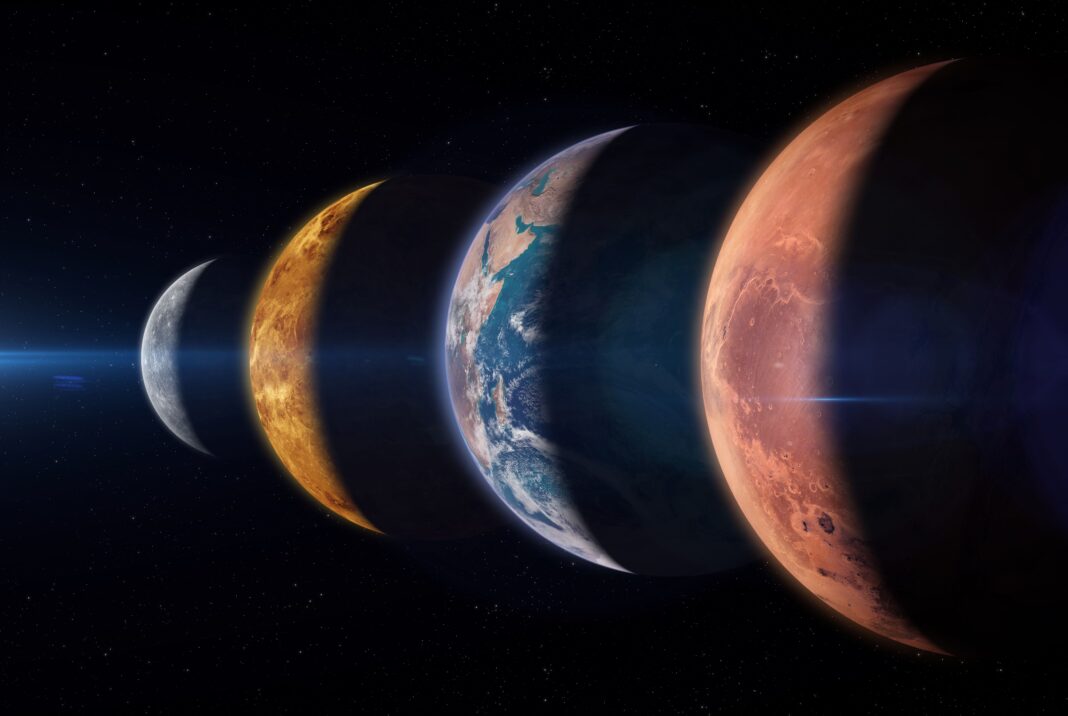
Other events on the August 2026 calendar include several planetary conjunctions. Jupiter and Mars will appear close together in the early morning sky around mid-month, offering a striking sight in the east before sunrise. Venus will remain prominent in the evening sky throughout August, shining brightly after sunset.
Meteor shower activity also continues beyond the Perseids, with the Kappa Cygnids peaking later in the month, though this shower produces far fewer meteors. The Alpha Capricornids and Southern Delta Aquariids, which began in July, will still be active in early August, adding to the overall meteor count.
Clear skies and a bit of planning will enhance the viewing experience for all these events. Checking local weather forecasts and finding a dark observation site can significantly improve visibility, especially for meteor showers and eclipse events.