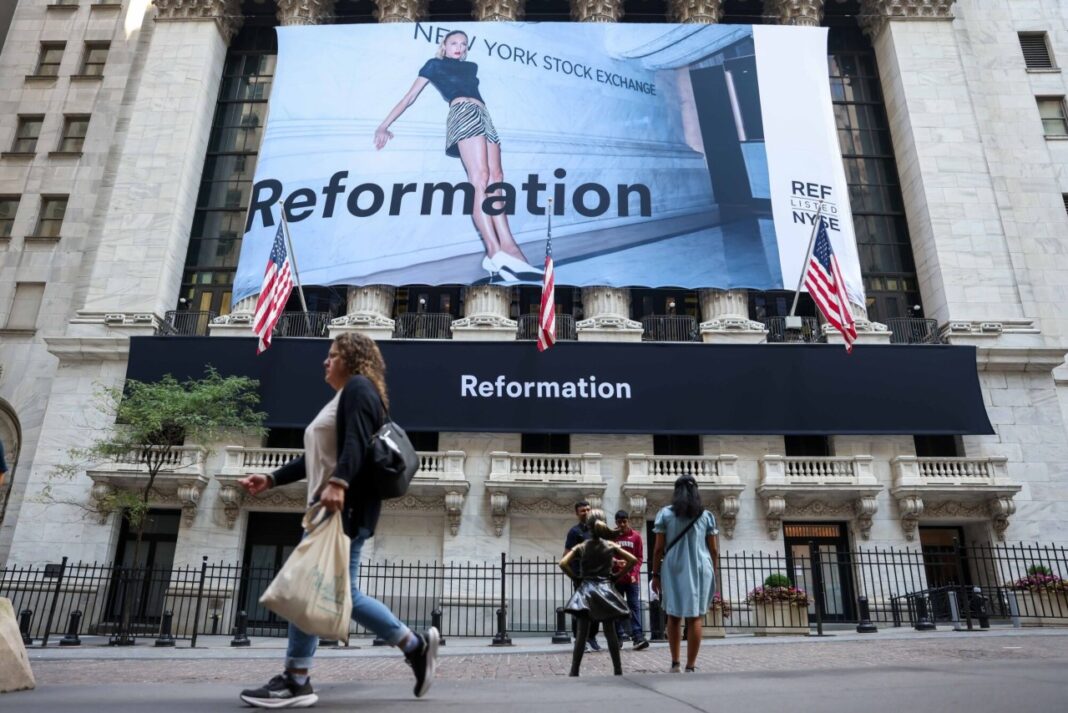
Reformation, the Los Angeles-based fashion brand, is preparing for an initial public offering. The company’s growth narrative, however, faces significant scrutiny from market analysts. Its claim to superior quality and value remains unverified in the public market.
The brand has built its reputation on sustainability and direct-to-consumer sales. This positioning has attracted a loyal customer base and consistent revenue growth. Yet, the financials reveal a dependency on a niche market segment.
Competitors in the fast-fashion space operate with thinner margins and faster inventory turnover. Reformation’s higher price points require a sustained premium that may not withstand economic downturns. Historical data shows discretionary spending on eco-friendly apparel tends to contract during recessions.
The IPO prospectus highlights expanding retail footprints and international sales. But expansion costs are rising, and same-store sales growth has slowed in recent quarters. Observers note that the company’s customer acquisition costs are climbing, which pressures profitability.
Valuation models suggest the company seeks a multiple above industry peers. That premium assumes a growth trajectory that is not yet proven. Analysts point to a lack of diversified revenue streams beyond core women’s dresses and jumpsuits.
Supply chain transparency, a key selling point, also introduces operational rigidities. Sourcing sustainable materials often limits flexibility and increases lead times. This constraint could hinder the brand’s ability to respond quickly to shifting fashion trends.
The fashion sector has seen volatile IPO performances this year, with several recent listings trading below their offer prices. Investor sentiment remains cautious about high-growth retailers. Reformation’s entry into this environment raises questions about timing and market readiness.
Management has emphasized brand loyalty as a defensive moat, but repeat purchase rates are not disclosed in full. Without detailed retention metrics, the durability of the customer base is hard to assess. The company’s reliance on seasonal collections adds further unpredictability to revenue forecasts.
In summary, the growth story rests on assumptions that are difficult to validate. Market participants will demand more concrete evidence of competitive advantage before committing capital. The upcoming roadshow will need to address these gaps convincingly to secure a favorable debut.