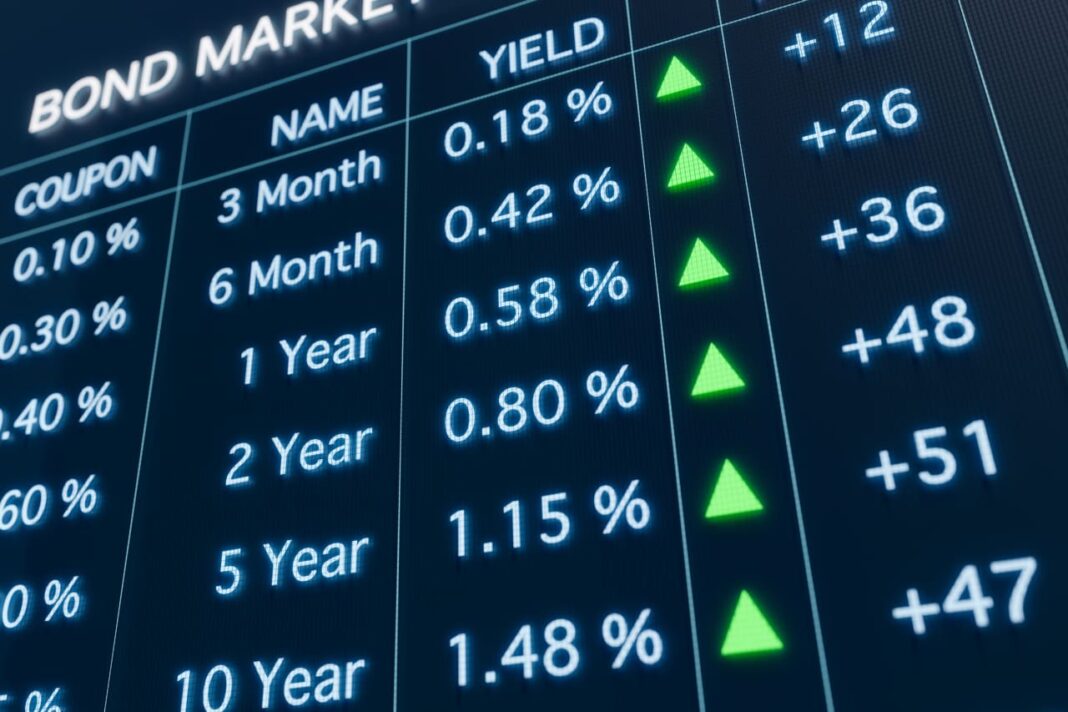
Investors are demanding higher rates on long-duration bonds, and one strategist argues this shift is not a temporary phase. The adjustment reflects fundamental changes in the market’s structure rather than a fleeting reaction to economic data.
The primary driver is a notable decline in demand from traditional buyers. Central banks and foreign institutions, which historically absorbed large quantities of government debt, are now less active in the market. This reduction creates a gap that must be filled by other investors, who require higher compensation.
At the same time, the supply of government debt has increased substantially. Governments are issuing more bonds to fund fiscal deficits, adding pressure to an already strained market. The combination of shrinking demand and expanding supply naturally pushes yields upward.
Policy uncertainty adds another layer of complexity. Investors face unclear signals on fiscal spending, trade policy, and central bank strategies. This ambiguity makes it harder to price long-term risk, prompting investors to demand a higher premium for holding duration.
The strategist suggests that these conditions are not likely to reverse quickly. Structural changes in the buyer base and persistent fiscal needs suggest that higher yields will remain a fixture. Market participants should plan for a regime where borrowing costs stay elevated.
This environment affects more than just government bonds. Higher yields ripple through mortgage rates, corporate borrowing costs, and equity valuations. Companies and households will feel the impact as the cost of capital adjusts upward.
For investors, the advice is to avoid betting on a rapid return to the low-yield era. Adapting to a market with structurally higher rates requires a different approach to portfolio construction and risk management. The new normal demands attention to yield levels that seemed unlikely just a few years ago.