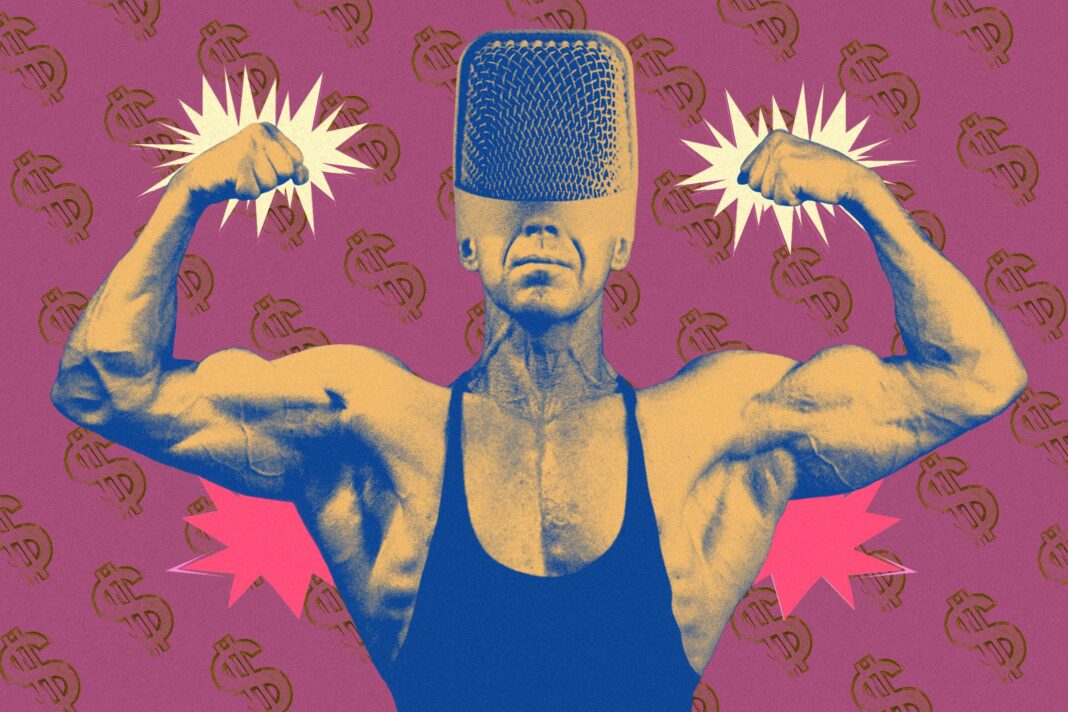
The so-called manosphere is not a grassroots movement but a lucrative grievance industry, according to a new report. Influencers profit from young men’s resentment by selling courses, supplements, and a promised sense of status.
The report details how online personalities monetize frustration through paid coaching programs and subscription content. These offerings often promise financial success or social dominance, yet deliver little tangible value. Many buyers remain stuck in the same circumstances they sought to escape.
Marketing tactics frequently rely on reinforcing feelings of victimization. Young men are told they face systemic disadvantages that demand aggressive self-improvement. The messaging creates a cycle where users return repeatedly for more content and more products.
The business model depends on sustaining emotional engagement. Anger and insecurity drive higher retention rates, which translates into steady revenue. Influencers often amplify grievances to keep their audiences active and paying.
Monetization extends beyond basic courses into physical goods like testosterone boosters and diet pills. These products typically lack scientific backing and are marketed with exaggerated claims. Regulators have flagged several such items for misleading advertising.
The report identifies specific revenue streams that make the industry worth billions. Advertising, merchandise, live events, and paid communities all contribute to a substantial financial ecosystem. The scale rivals that of more traditional media ventures.
The term “manosphere” implies a unified ideology, but the report argues it is fragmented and commercially driven. Different influencers promote conflicting advice, yet all share a common incentive to maintain audience discontent. Cohesion matters less than consistent monetization.
The practical consequences for followers are often negative, the report says. Many spend significant money on products and services that do not improve their employment, relationships, or well-being. Some report increased isolation and heightened distrust toward others.
Platform companies also benefit from the traffic these influencers generate. Algorithmic recommendations frequently surface grievance-based content because it performs well. The report suggests that platform policies have done little to curb misleading sales practices.
The findings point to a broader pattern of emotional exploitation in digital markets. The report calls for greater scrutiny of influencer marketing claims and clearer disclosure requirements. It also urges young men to approach online advice with critical distance.
The grievance industry will likely persist as long as demand remains steady. Its growth depends on unresolved economic and social pressures facing young men. Until those pressures are addressed, the incentives for profiting from resentment will continue.