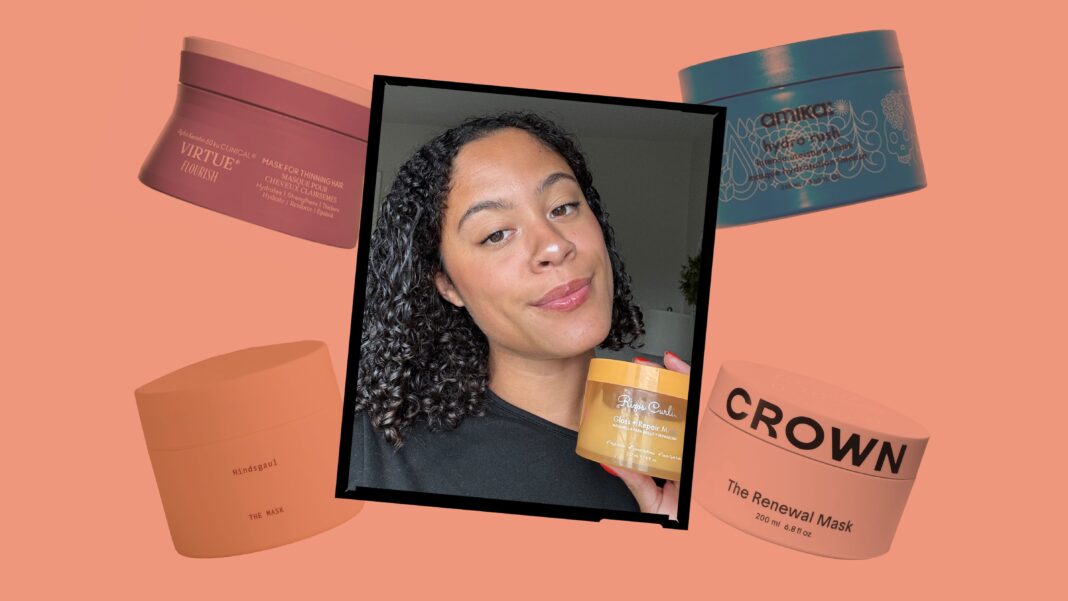
Dry, brittle strands are a common frustration, and they often signal a deeper issue within the hair’s cortex. A lack of moisture can lead to visible breakage, dullness, and a rough texture that is difficult to manage. While daily conditioners offer a temporary fix, a deep-conditioning mask provides a more intensive solution for restoring hydration.
The primary function of a hydrating mask is to deliver a concentrated dose of moisture and nutrients directly to the hair shaft. Unlike regular conditioners, these formulas are designed to sit on the hair longer, allowing active ingredients to penetrate more effectively. This process helps to smooth the cuticle, which is the outer layer of the hair, leading to a shinier and softer appearance.
Formulations vary widely, with some masks featuring lightweight humectants like glycerin and aloe vera to draw water into the strand. Others rely on heavier emollients, such as shea butter or plant oils, to seal that moisture in and prevent loss. The choice between these depends largely on hair type, with finer textures generally responding better to lighter options.
For those with severely dehydrated hair, proteins can also be a key ingredient. Ingredients like keratin or rice protein work to reinforce the hair’s structural integrity, reducing the likelihood of snapping during brushing or styling. It’s a balancing act, as too much protein can sometimes lead to stiffness, but the right blend strengthens while hydrating.
Experts recommend applying a mask to damp, towel-dried hair, focusing on the mid-lengths and ends where damage is most prevalent. The product should be left on for the time specified on the label, usually between five and fifteen minutes. Some users find that using a shower cap or gentle heat enhances the penetration of the treatment.
Frequency of use depends on the hair’s condition and porosity. A very dry mane might benefit from a weekly treatment, while hair that is only slightly dull may only need a bi-weekly boost. Over-moisturizing can lead to limpness, so finding a consistent schedule is crucial for maintaining balance.
The market now offers a broad spectrum of options to cater to specific needs. Some masks are formulated to boost color vibrancy, while others target damage from heat styling or chemical processes. Reading labels for key ingredients is a practical first step in selecting a product that aligns with a particular hair concern.
Incorporating a hydrating mask into a routine is a straightforward step with significant potential benefits. With regular use, hair can become more resilient, easier to detangle, and visibly smoother. It addresses the root of the problem, not just the surface symptoms of dryness.
Ultimately, the best mask is one that fits a person’s lifestyle and hair goals. Whether addressing climate-induced dryness or the effects of constant styling, the right treatment provides a necessary defense against daily wear and tear. Consistency, rather than a one-time application, is what yields lasting hydration and strength.