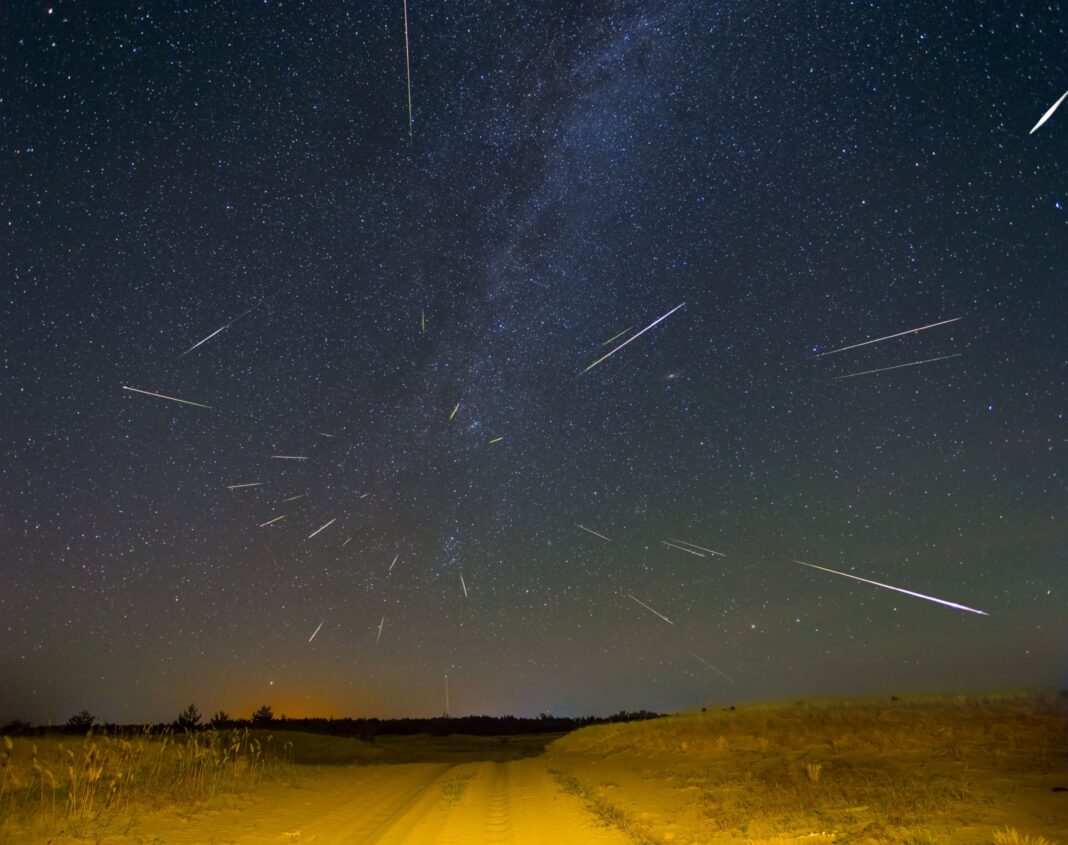
The Perseid meteor shower will reach its peak on the nights of August 12 and 13, 2026. Astronomers expect this year’s display to be exceptional due to favorable lunar conditions. The moon will be in a crescent phase, setting early and leaving the sky dark for optimal viewing.
Viewers in the Northern Hemisphere will have the best chance to see the shower. The radiant point, located in the constellation Perseus, rises in the northeast after midnight. Observers should look slightly away from the radiant to catch longer, brighter streaks.
Light pollution remains the biggest obstacle to a good show. Rural areas with clear horizons offer the best visibility, while city dwellers will see far fewer meteors. Dark-sky reserves and national parks provide ideal conditions for those willing to travel.
The shower produces around 100 meteors per hour under perfect skies. Actual counts will vary based on local conditions and the observer’s experience. Patience is key, as activity can come in bursts followed by lulls.
No special equipment is needed to enjoy the Perseids. Binoculars or telescopes will not improve the view, as they restrict the field of vision. A reclining chair, warm clothing, and at least 30 minutes for eye adaptation are all that is required.
For early risers, the hours before dawn on August 13 will offer the most consistent activity. The constellation Perseus will sit higher in the sky by then, making meteors easier to spot. Some stragglers may appear a few nights before and after the peak.
2026 stands out because the moon will not interfere with the display. Many recent years have seen bright moonlight wash out fainter meteors. This year’s dark skies should allow even smaller streaks to become visible.
Cloud cover remains the only uncontrollable factor. Forecasts closer to the date will help observers decide where and when to watch. Backup nights on August 11 and 14 could still produce worthwhile shows if weather disrupts the main event.