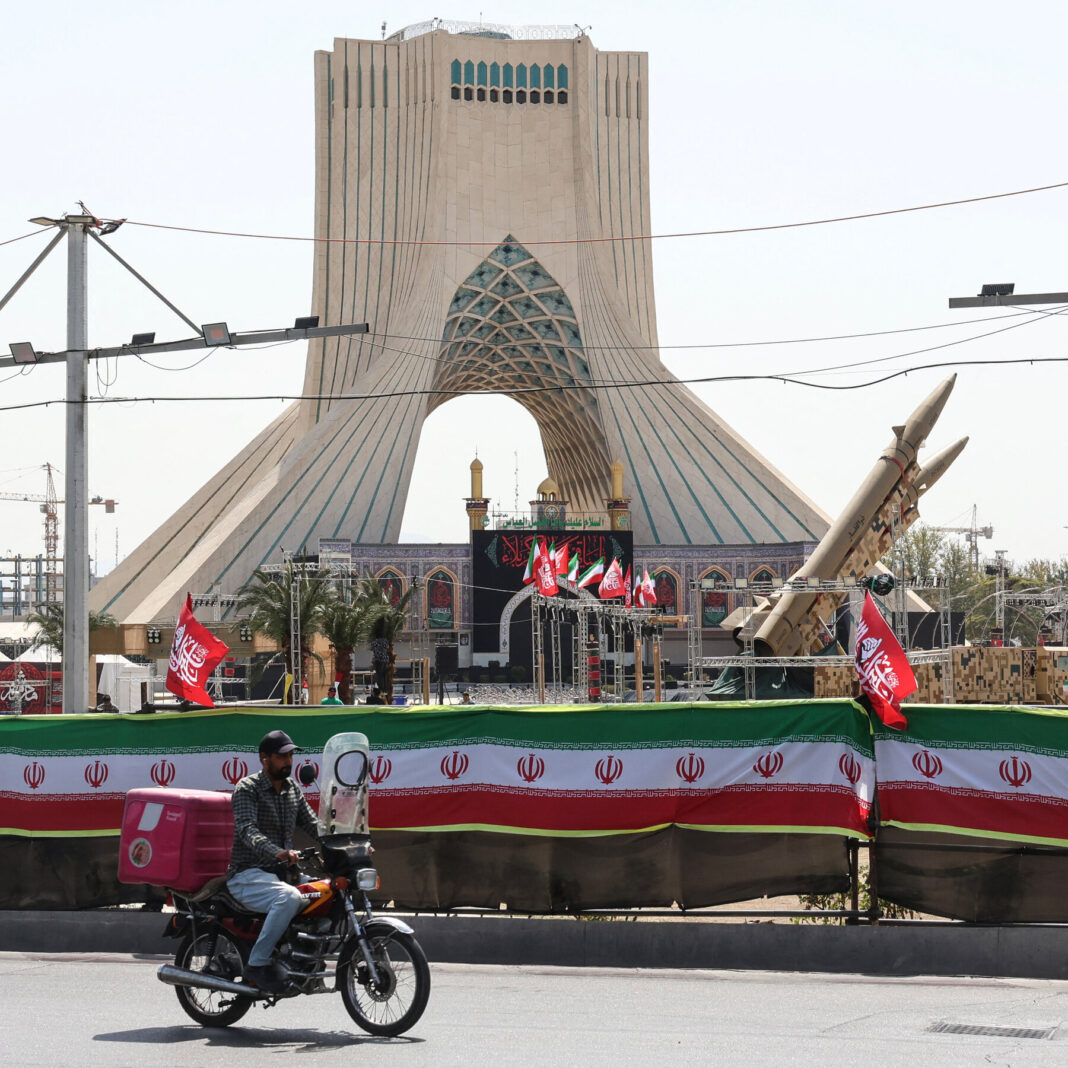
The Iranian strikes that killed three U.S. soldiers in Jordan reveal a rapid evolution in Tehran’s war-fighting capabilities. The attack exploited a growing vulnerability: the Pentagon’s dwindling supply of interceptors.
Military officials confirmed that the drone and missile barrage targeted a remote logistics base. The choice of location was deliberate, aiming to stretch U.S. defensive resources thin. Iran’s strategy now focuses on overwhelming specific points rather than broad confrontation.
The Pentagon has faced mounting pressure to replenish its arsenal over the past year. Expenditures in the Red Sea and against Houthi forces have consumed critical munitions. This has forced commanders to prioritize which threats to intercept and which to allow through.
Iranian planners have adapted by increasing the complexity of their salvos. They now mix low-cost drones with more advanced ballistic missiles to complicate targeting. This approach tests the decision-making speed of U.S. air defense systems and their operators.
Intelligence assessments indicate that Iran studied recent U.S. operational patterns closely. They identified gaps in coverage during resupply and maintenance windows. The Jordan attack specifically targeted a moment when radar coverage was reportedly thinned.
The loss of three soldiers marks a significant escalation in regional hostilities. It also raises urgent questions about the sustainability of current U.S. military commitments. Defense analysts warn that without new funding, similar vulnerabilities will persist.
The Biden administration has requested additional appropriations from Congress to rebuild missile inventories. However, legislative delays have hampered the pace of procurement. Meanwhile, U.S. Central Command has implemented stricter rules of engagement to conserve ammunition.
Pentagon spokespersons stated that they are reviewing force posture across the Middle East. This includes potential redeployments of Patriot and THAAD batteries to higher-risk zones. Yet, each move carries trade-offs, leaving other assets exposed.
Iran’s tactical shift signals a longer-term challenge for American military planners. The era of relying on overwhelming defensive firepower may be giving way to a more calculated, resource-constrained approach. The coming months will test how the U.S. manages these new realities without sacrificing force protection.