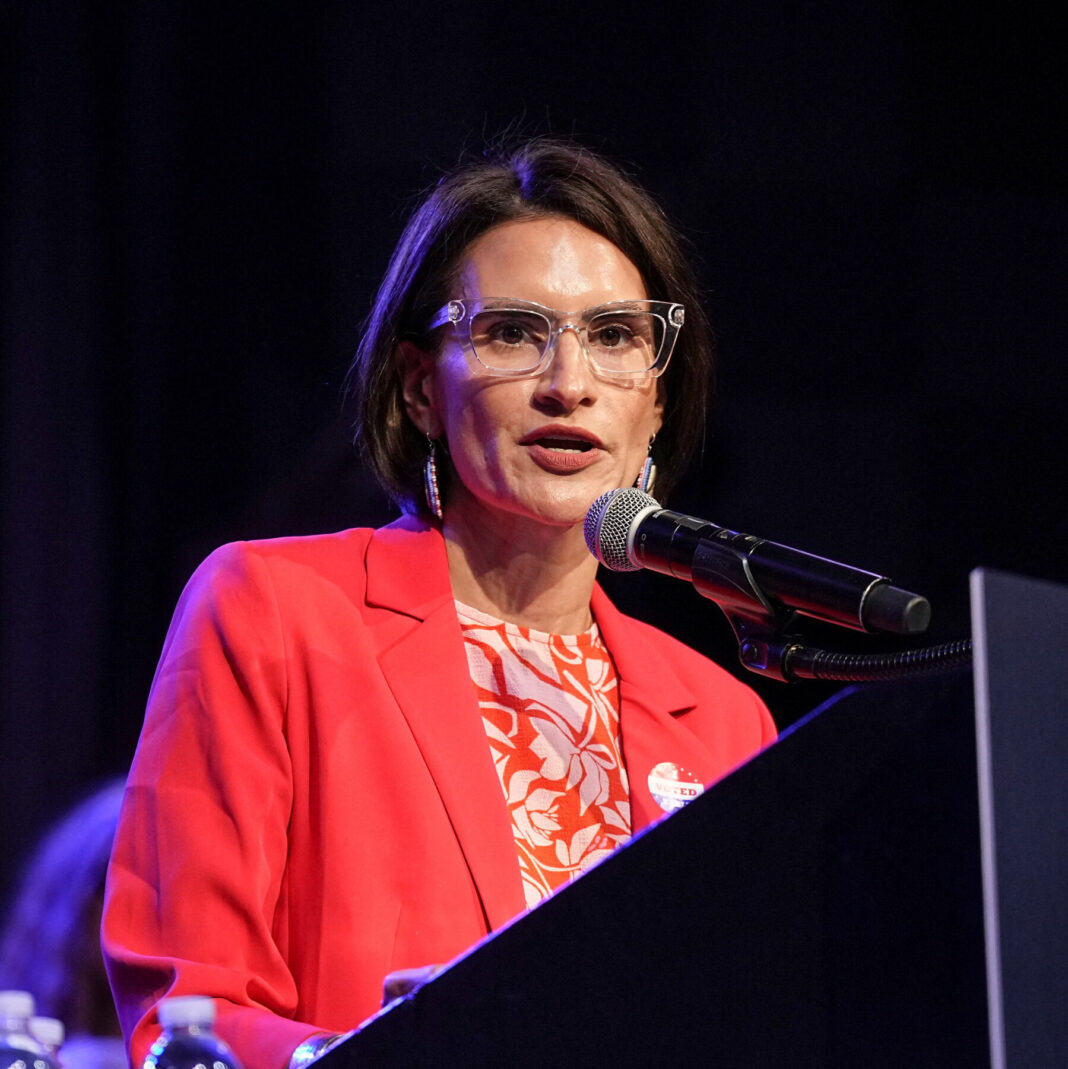
Peggy Flanagan, Minnesota’s lieutenant governor, has entered the Democratic race for the U.S. Senate. She is a progressive organizer with a long record in state politics. If elected, she would become the first Native American woman to serve in the Senate.
Flanagan currently holds the second-highest office in Minnesota. She has worked closely with Governor Tim Walz on a range of policy initiatives. Her background includes grassroots organizing and advocacy for children and families.
As a member of the White Earth Band of Ojibwe, Flanagan has made tribal issues a central part of her public work. She has pushed for better funding for Indigenous education and healthcare. Her candidacy has drawn attention from national Democratic leaders.
Her policy platform focuses on expanding affordable housing and strengthening labor rights. She has also been outspoken on climate change and reproductive rights. These positions align with the broader progressive wing of her party.
Flanagan’s path to the Senate race includes a history of electoral success in a competitive state. She first won statewide office in 2018 as part of a Democratic ticket that swept key races. Her ability to appeal to rural and urban voters will be tested in the primary.
The Senate race in Minnesota is expected to be closely watched nationwide. Flanagan faces several Democratic challengers in the primary. The winner will likely compete in a general election that could determine control of the chamber.
Her campaign has highlighted her life story, including her work as a single mother. Supporters point to her ability to connect with working-class voters. Critics will question her record on tax policy and public safety.
Flanagan’s entry reshapes the Democratic field in Minnesota. Her experience in executive office gives her a distinct edge in fundraising and name recognition. But she will need to differentiate herself in a crowded primary field.
The election is still months away, but early polls suggest a competitive race. Flanagan remains a formidable candidate with institutional support. Her historic potential adds another layer of significance to an already pivotal contest.