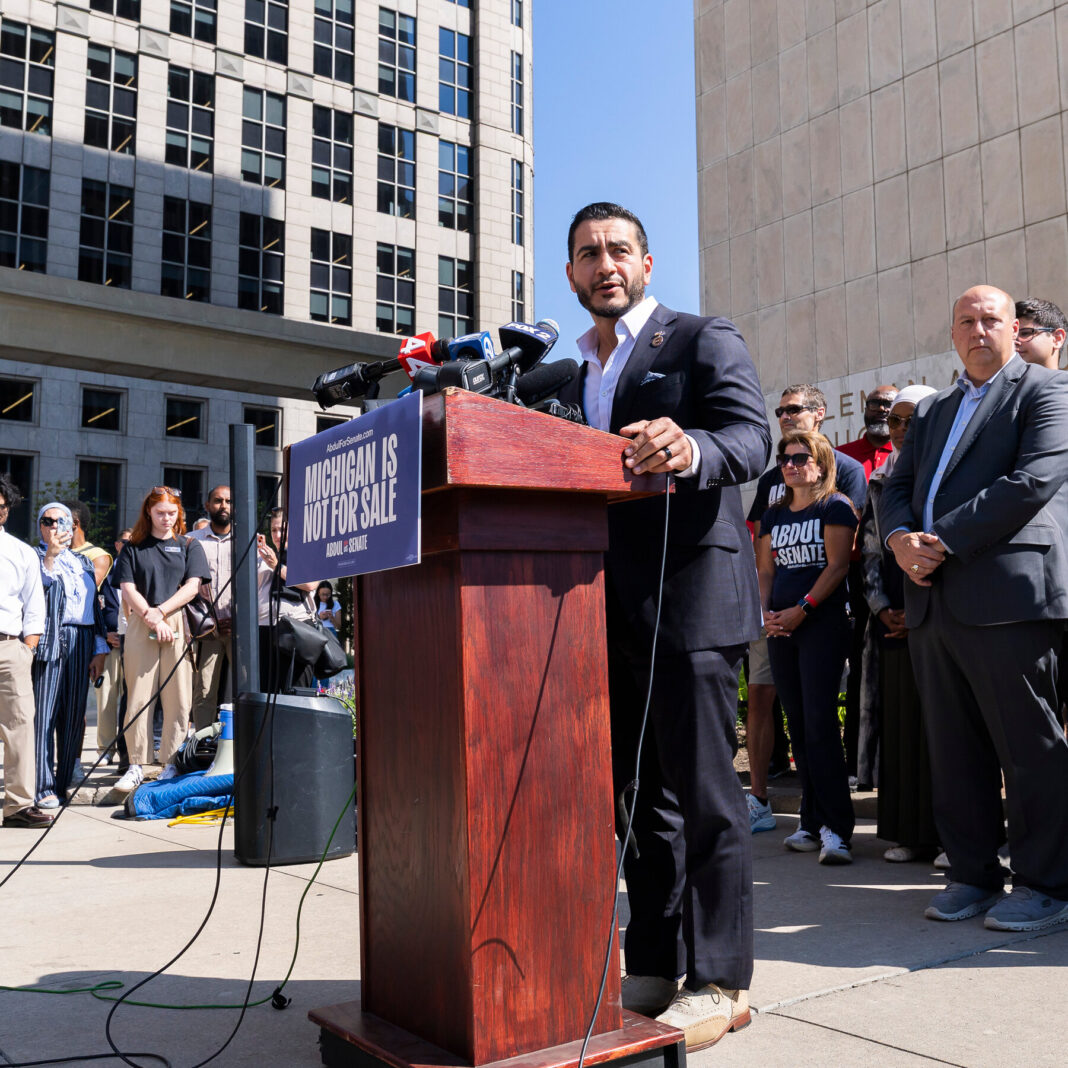
Dr. Abdul El-Sayed, the Democratic nominee for Senate in Michigan, recently removed old social media posts and videos that defended the “defund the police” movement and floated the idea of banning fireworks. The deleted content immediately triggered criticism from Republican opponents, who have seized on the material to challenge his campaign. The posts, which were scrubbed from his online profiles, drew renewed attention amid a competitive Senate race.
The removed material included statements where El-Sayed appeared to support reducing police department budgets and reallocating funds to community programs. One video also featured him discussing potential restrictions on fireworks, linking them to broader public safety concerns. Campaign officials confirmed the posts were taken down but did not specify the exact reasoning behind the decision.
Republican groups and candidates quickly circulated screenshots and clips of the deleted content on social media. They argued that the positions were out of step with mainstream voters in Michigan, particularly in suburban and rural areas. The attacks have intensified in recent days, with some calling on El-Sayed to explain his past remarks publicly.
El-Sayed has not yet issued a direct response to the criticism. His campaign has emphasized his current focus on economic issues, healthcare access, and job creation. Supporters maintain that the removed posts do not reflect his present platform and that he remains a strong contender in the race.
This incident highlights the challenges candidates face when past digital activity resurfaces during a campaign. Online records, even when deleted, can be preserved and redistributed quickly by opponents. For El-Sayed, the controversy adds another layer of scrutiny as he works to build a broad coalition of voters.
The Senate race in Michigan is closely watched nationally, with both parties investing heavily in the outcome. El-Sayed’s team is expected to address the matter in upcoming interviews or public events. Meanwhile, the Republican attacks show no signs of slowing down, as the primary season moves toward the general election.
Voters will likely weigh the deleted posts against El-Sayed’s overall record and messaging. For now, the focus remains on how the campaign manages this distraction and whether it shifts the dynamics of the race. The episode serves as a reminder of the permanence of digital footprints in modern political contests.