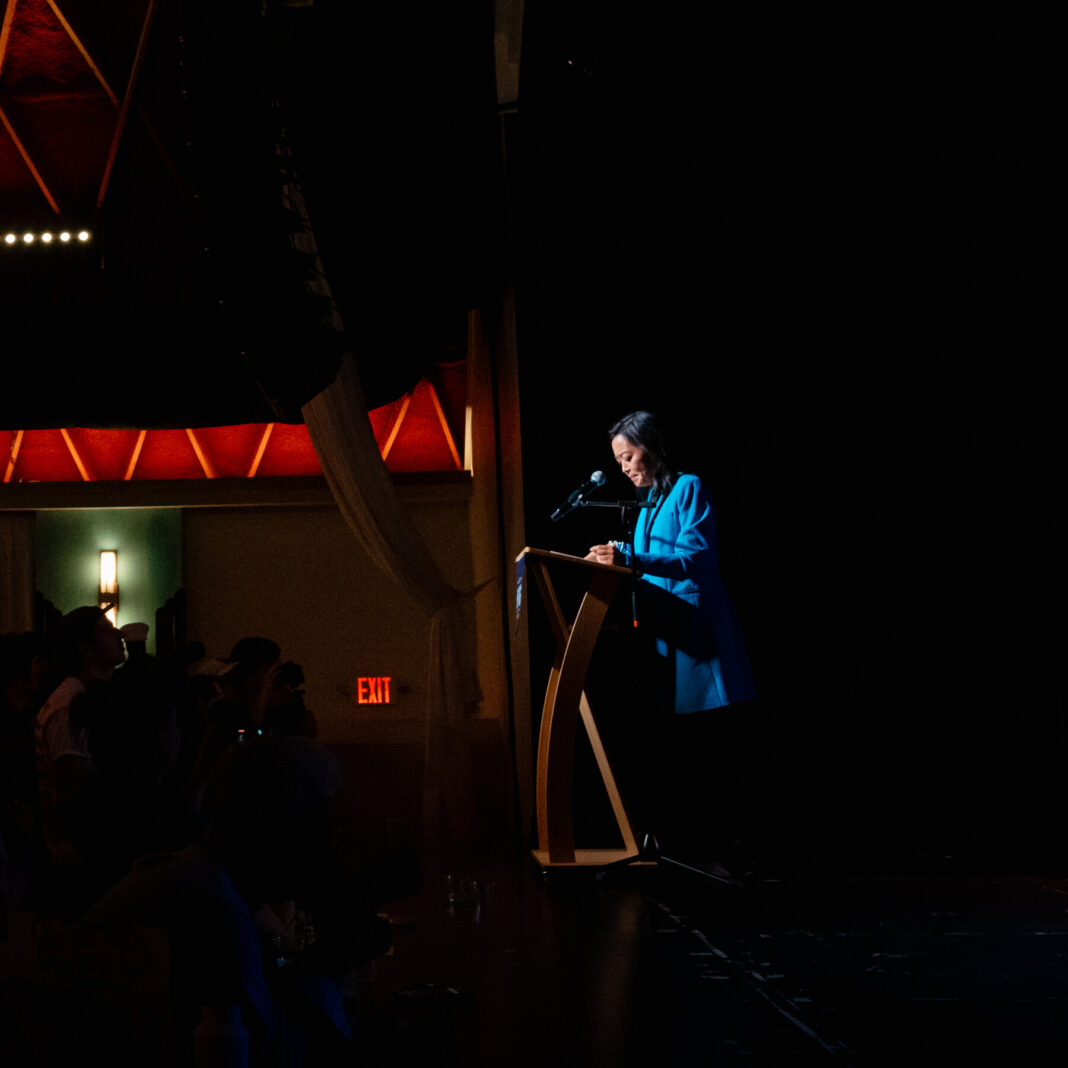
The defeat of Democrat Jane Hong in Wisconsin’s primary has reignited internal battles over the party’s direction. The result, delivered on Tuesday, has prompted sharp reactions from both moderate and progressive factions. Each side is interpreting the outcome as evidence for its own electoral strategy.
Moderate Democrats argue the loss demonstrates that centrist appeals remain essential for winning competitive districts. They point to Hong’s policy positions, which leaned further left, as a key factor in her downfall. These voices contend that voters in swing areas prioritize pragmatic messaging over ideological purity.
Progressives, however, see a different lesson in the numbers. Hong’s performance was stronger than many initial polls suggested, closing a significant gap in the final weeks. That late surge, they argue, proves that a bold agenda can energize the base and attract undecided voters. The narrow margin offers them a foundation for future campaigns.
The primary itself featured a heated debate over economic policy and healthcare reform. Hong had championed a single-payer system and stricter regulations on large corporations. Her opponent, who will advance to the general election, focused on bipartisan infrastructure deals and targeted tax relief.
Disagreements over the loss have already spilled into public statements from party officials. Several local leaders have called for a unified message ahead of the November election. Others have resisted that call, insisting that honest debate strengthens the party’s long-term chances.
National strategists are now watching how the fallout shapes fundraising and endorsements in other races. Some donors have signaled a preference for moderate candidates following the result. At the same time, progressive advocacy groups are vowing to increase their support for similar challengers in upcoming primaries.
The Wisconsin contest highlights a persistent tension within the party between broadening its appeal and deepening its commitments. Both factions claim the data supports their approach, but no clear consensus has emerged. The debate is likely to continue into the next election cycle.
For now, the party faces the immediate task of rallying behind its nominee. Local organizers stress that voter turnout in the fall will depend on bridging the divide. The outcome in Wisconsin serves as both a warning and a rallying point for those on each side.