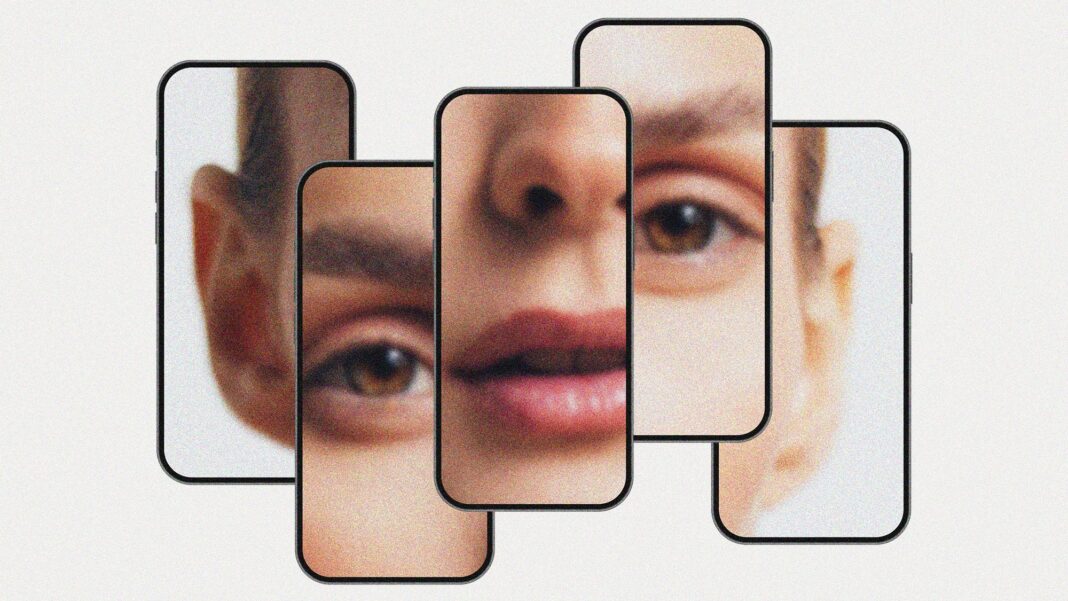
Social media shapes more than self-esteem. A new study suggests it also distorts how people remember their own faces. Researchers found that frequent Instagram use may weaken facial self-recognition.
The study highlights a growing disconnect between digital self-presentation and real-world identity. Users often see heavily edited or curated versions of themselves online. Over time, this can replace their actual mental image.
Participants who spent more time on image-based platforms showed poorer accuracy in recalling their own facial features. This effect was stronger among those who actively engaged with filters and editing tools. The findings point to a subtle but significant cognitive shift.
Social media encourages constant comparison with others. This habit may erode the internal reference point people use to picture themselves. The result is a blurred line between authentic appearance and online persona.
The research does not claim social media is entirely harmful. It does suggest that passive scrolling and active editing carry different psychological impacts. Awareness of these effects could help users maintain a clearer sense of self.
Experts recommend periodic breaks from image-heavy platforms. They also advise limiting reliance on filtered photos for self-assessment. Simple steps like reviewing unedited pictures can reinforce accurate self-perception.
The study adds to a growing body of work on digital identity. As platforms evolve, understanding their influence on memory and self-image becomes more urgent. Future research may explore how different types of content affect this process.
For now, the takeaway is practical. Paying attention to how often you view or alter your own image matters. The face in the mirror may not match the one on screen—and that gap deserves closer attention.