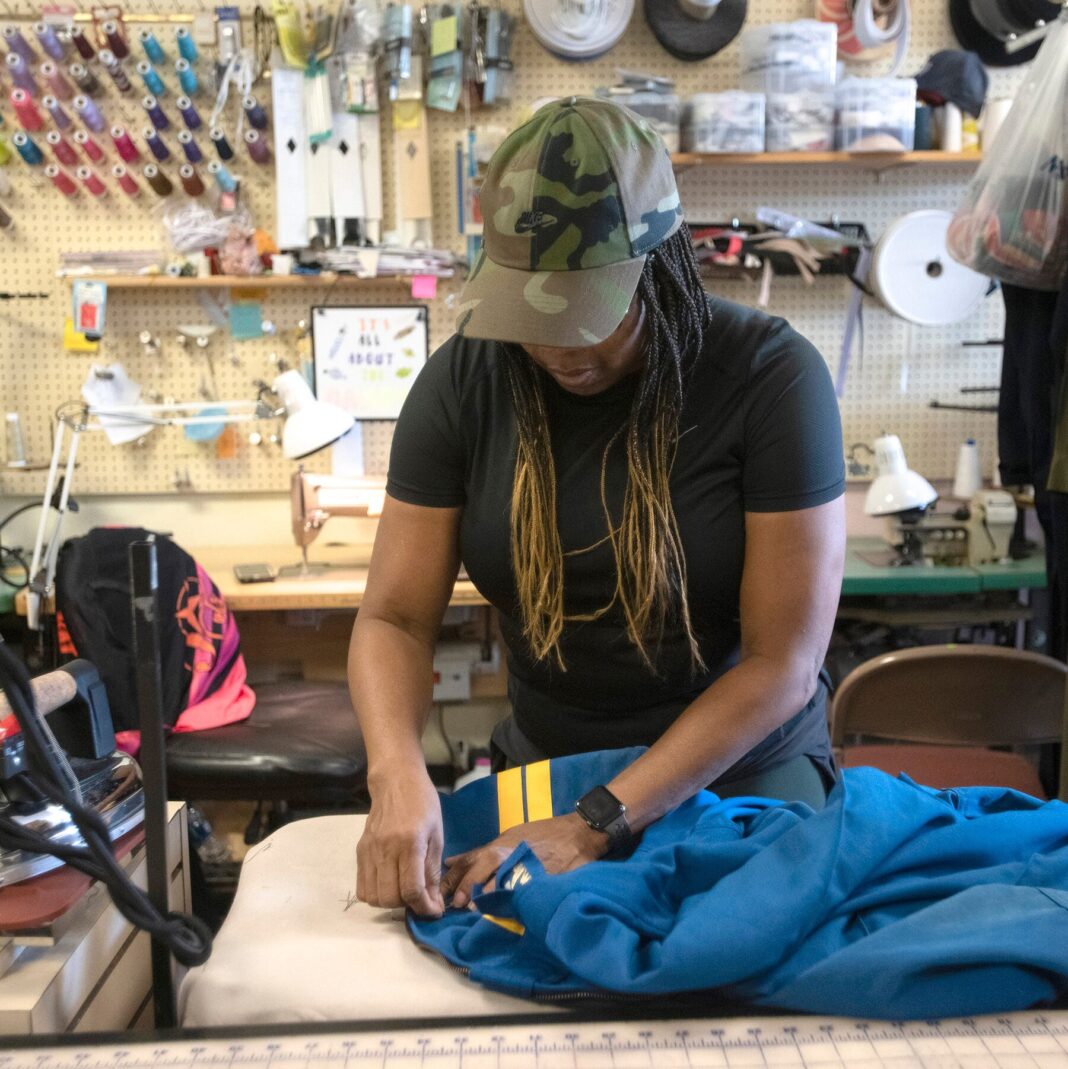
Jellie Whitehurst of Pensacola, Fla., spent four decades crafting flight suits for the Navy’s Blue Angels. The 74-year-old seamstress ran a small shop that became a trusted supplier for the elite demonstration squadron. Her work was known for precise stitching and a personal touch that met the team’s exacting standards.
The Navy recently awarded a $1.7 million contract to a Virginia-based company to provide the flight gear. Whitehurst said she learned of the decision with surprise, noting that her team had handled the job without issue for years. The shift marks a significant change for the squadron’s apparel, which had been a staple of her local business.
Whitehurst’s shop, located near the Pensacola Naval Air Station, began its work with the Blue Angels in the 1980s. Over time, her team produced suits that endured high-performance flight conditions. Pilots valued the custom fits and quick turnaround times, which supported their demanding schedules.
The new contract goes to a larger firm that specializes in military apparel production. That company will now manage the design, manufacturing, and delivery of the suits. The Navy cited competitive bidding and cost efficiency as reasons for the switch. Officials did not comment on the prior vendor’s performance.
For Whitehurst, the change ends a long chapter that intertwined craftsmanship with military tradition. She said she takes pride in the work her shop delivered, noting that each suit met strict safety and comfort requirements. Her team of local sewers will now pivot to other projects, though the loss of the Blue Angels account is significant.
The decision highlights broader trends in military procurement, where small suppliers often compete with larger firms for specialized contracts. While cost remains a key factor, defenders of small shops argue that personalized service and experience matter. The Navy’s choice reflects a preference for scaled production, even for elite units.
Whitehurst’s story has drawn attention from local residents and veterans who remember her contributions. Many see the shift as a loss of tradition, though others acknowledge the push for modernization. The Blue Angels continue their schedule, and the new suits will debut in upcoming shows.
The contract change does not affect the squadron’s operations or safety record. Still, it closes a unique partnership that spanned four decades. For Whitehurst, the work was never just a job—it was a way to serve the pilots who represent the Navy’s excellence.