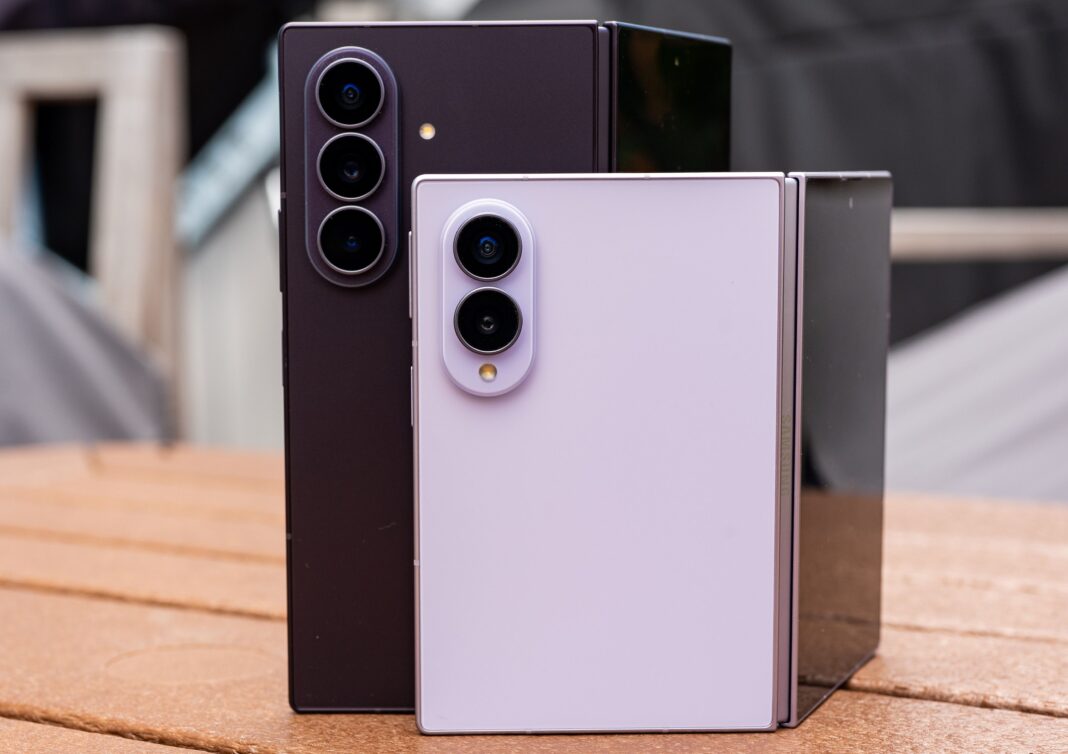
Samsung’s Galaxy Z Fold8 and Z Fold8 Ultra mark a turning point for the company’s foldable lineup. Nearly a decade after the original Galaxy Fold debuted, the devices finally hit a refined stride. The design language has matured, offering a more polished and practical form factor. Both models address long-standing criticisms with noticeable precision.
The standard Z Fold8 keeps the familiar book-style silhouette but trims the bezels further. Its cover display now feels closer to a traditional smartphone, narrowing the gap between folded and unfolded use. The Ultra variant pushes the concept further with a larger main screen and a boosted battery. Samsung has also flattened the hinge mechanism, reducing the crease more effectively than previous generations.
Performance is spearheaded by the latest Snapdragon processor, paired with improved cooling for sustained tasks. Gaming and multitasking run smoothly, with the 120Hz displays delivering fluid visuals. The cameras receive a modest upgrade, focusing on low-light clarity rather than megapixel counts. Samsung’s software integration also benefits from the larger canvas, enabling better split-screen workflows.
Battery life remains a mixed bag depending on usage. The standard model lasts a full day under moderate use, while the Ultra extends endurance with its larger cell. Charging speeds stay competitive but do not lead the pack. Wireless charging and IP48 water resistance add practical durability for daily wear.
The Ultra model distinguishes itself with a sharper rear camera setup and a slightly brighter screen. Its weight, however, creeps higher, which some users may notice during one-handed use. The standard Z Fold8 offers a lighter alternative without sacrificing core features. Both models support the S Pen, though the slot remains an optional accessory.
Software polish is a standout improvement. Samsung’s One UI now adapts seamlessly to the foldable form, with fewer app compatibility hiccups. Transitioning between cover and main displays feels instantaneous, and resizable windows behave predictably. The company also tightened the update promise, ensuring long-term support for both devices.
Pricing for the Z Fold8 starts at a premium tier, with the Ultra commanding a notable surcharge. Samsung bundles trade-in incentives that soften the entry cost, but the base price remains steep. For users upgrading from older Fold models, the refinements justify the leap. Newcomers to foldables will find these versions the most approachable yet.
The Z Fold8 and Z Fold8 Ultra do not reinvent the wheel, but they perfect it. Samsung has listened to feedback, delivering a shape that finally feels right. The crease is less intrusive, the hinge sturdier, and the experience more cohesive. These devices set a new benchmark for what a foldable flagship should offer.