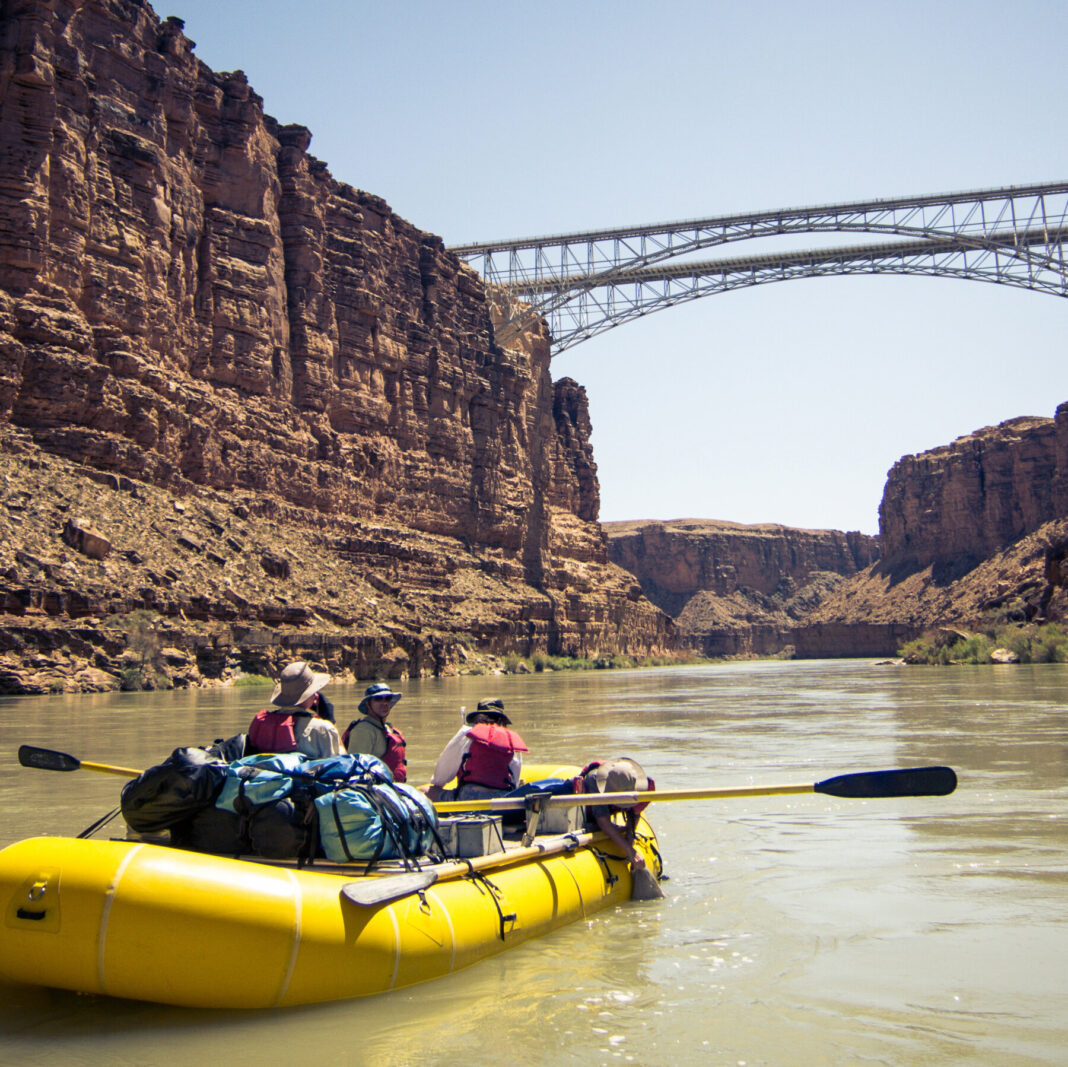
Rafting trips through the Grand Canyon now carry a new weight as the Colorado River’s flow drops to historic lows. Guides and passengers alike describe the journey as more precious, yet increasingly uncertain. The river’s shrinking volume changes the experience for the thousands who navigate its rapids each year.
The Colorado River has long been the lifeblood of the American Southwest, but decades of drought and rising demand have taken a severe toll. Reservoirs along the river sit at record lows, and the water that once thundered through the canyon now moves with a quieter, thinner force. Rafters notice the difference in the rocks that emerge along the shoreline, in the altered currents, and in the sandbars that vanish more quickly.
Commercial outfitters continue to operate, but they face shifting logistics. Launch windows, trip lengths, and daily schedules must adapt to the river’s changing mood. Some guides report that certain rapids have become less intense, while others grow trickier due to exposed boulders. Safety protocols have been updated, but the core challenge remains the same: navigating a river that no longer behaves as it once did.
For many visitors, the trip remains a bucket-list adventure, offering unmatched views of ancient geology and vast night skies. But the experience now comes with an added layer of reflection. Rafters often arrive expecting a wild ride and leave with a deeper awareness of the region’s fragile water supply. The canyon’s beauty has not diminished, but the backdrop of scarcity is impossible to ignore.
Scientists point to a broader trend: the river’s flow may continue to decline in the coming decades. Climate models suggest warmer temperatures and less snowfall in the Rockies will reduce the runoff that feeds the system. Even with conservation efforts, the river faces an uncertain future, and the Grand Canyon’s rafting industry is on the front line of that change.
Permits for private trips remain highly coveted, with waitlists stretching for years. Those who secure a spot find a landscape in transition, where each mile of river tells a story of loss and resilience. The trip’s appeal, however, has not faded. Demand remains strong, a testament to the enduring pull of the canyon.
The broader implications extend beyond recreation. The river supplies water to cities, farms, and tribes across seven states. Every drop that runs through the canyon is part of a complex balancing act between human needs and ecological health. Rafting, for all its thrill, offers a rare vantage point to witness that balance up close.
Guides now speak openly about the river’s future, weaving lessons on hydrology and climate into their commentary. They answer questions about dam operations, water rights, and the choices that lie ahead. For visitors, the adventure becomes a lesson in stewardship, turning a vacation into a conversation about survival.
As the season winds down, outfitters remain committed to the river, even as they brace for what is next. The canyon’s walls have stood for eons, but the water that carves them is more fleeting than ever. For now, rafters keep coming, cherishing a journey that feels increasingly like a glimpse of something precious and endangered.