Alabama Democrats are testing whether Black voter frustration over federal voting rights rulings can translate into electoral gains. The party is focusing on the Supreme Court’s decisions that scaled back the Voting Rights Act, as well as the Republican-drawn maps that emerged afterward. These efforts aim to channel discontent into turnout and support for Democratic candidates in upcoming races.
The strategy relies on the premise that recent legal setbacks have energized Black communities rather than discouraged them. Party organizers argue that restrictive redistricting in the state has made the issue concrete for many voters. They are pointing to specific districts where GOP mapmakers diluted Black voting strength, a practice now harder to challenge in court. For many residents, the changes are not abstract legal disputes but daily realities affecting local representation.
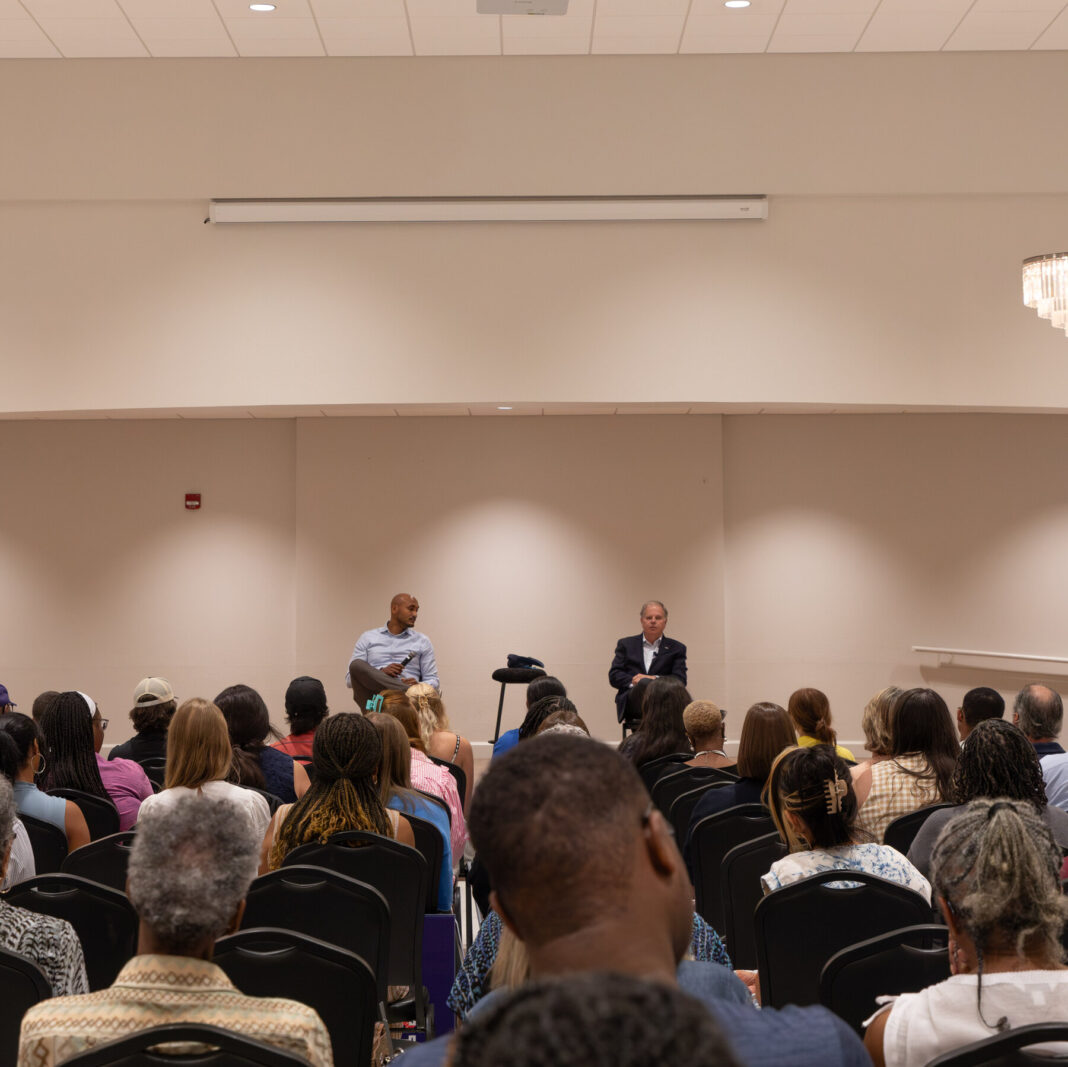
Democrats see the issue as a unifying message that transcends traditional campaign topics. Economic concerns and healthcare remain important, but voting access carries emotional weight in communities with a long history of fighting for the ballot. The party hopes to harness that energy at the polls, particularly in majority-Black areas that could swing close elections. Organizers are holding town halls and voter registration drives to link federal decisions to local consequences.
A key test will be whether this anger translates into sustained political action. Past mobilization efforts have sometimes faded between election cycles, and party officials acknowledge the challenge of maintaining momentum. They are working with local churches and civic groups to keep the issue alive beyond campaign season. In some counties, volunteers are already canvassing with specific examples of how new district lines changed their neighborhoods.
Republicans defend the current maps as legally compliant and accuse Democrats of using racial rhetoric to hide policy failures. They note that numerous courts have upheld the existing districts in recent challenges. Meanwhile, national voting rights groups are watching Alabama closely, believing the state could become a template for similar campaigns elsewhere. The outcome may signal how effectively the issue resonates in southern states with significant Black populations.
Political analysts remain cautious about predicting a direct electoral impact. Racial polarization in the state has remained stable for years, making large shifts unlikely. However, they say even modest increases in Black voter participation could matter in close legislative races. Democrats believe that reminding voters of the judicial changes, combined with on-the-ground organizing, creates a path to narrow Republican margins.
The party is also preparing for potential legal battles with the state government over absentee voting rules and polling place access. These administrative issues have become rallying points for activists who argue that barriers are increasing. For now, the campaign message is straightforward: the right to vote is under threat, and the ballot box is the proper response. Whether that call to action changes Alabama’s political landscape remains an open question.