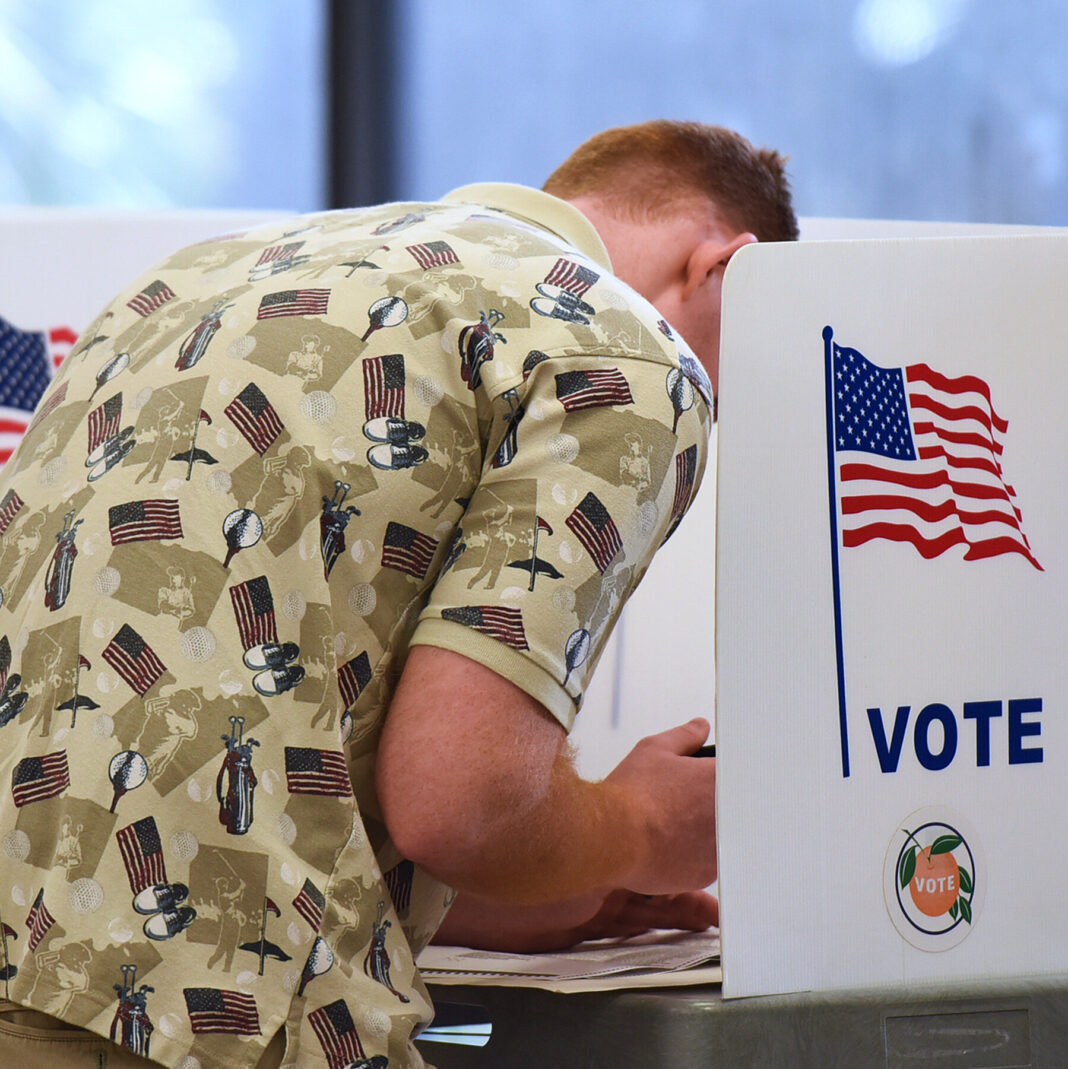
Voters head to the polls Tuesday for primary elections in Alaska, Florida, and several other states. The contests offer an early look at a pivotal Senate race and test newly redrawn congressional boundaries. A special election to replace former Representative Eric Swalwell also commands attention.
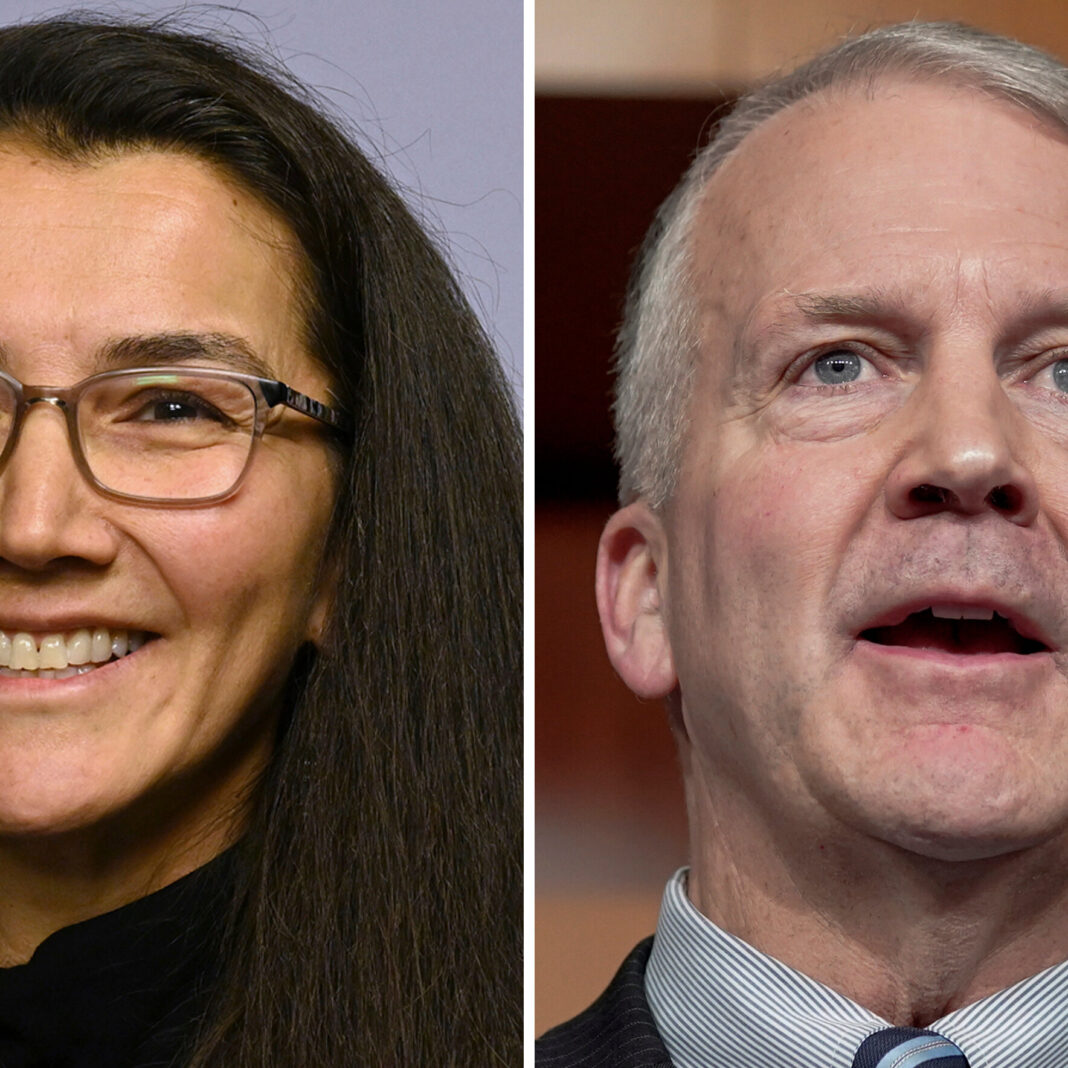
In Alaska, the Senate primary provides the first major test for both parties. Incumbent Republican Senator Dan Sullivan faces a challenge from the right, while Democrats field a crowded field hoping to consolidate support. The outcome will signal the strength of the state’s influential independent voting bloc, which often decides general elections.
Florida’s primaries unfold on a newly redrawn congressional map that has shifted the political landscape in several districts. Incumbents in both parties face competitive challenges from rivals who argue the new lines demand different representation. The results will clarify which candidates best match their districts’ revised demographics.
The special election to replace Swalwell in California’s 14th District features a fast-moving race between several Democratic contenders. Early voting data suggests moderate turnout, making the eventual winner dependent on organized get-out-the-vote efforts. The victor will serve out the remainder of the term, with a full primary scheduled for next year.
In other states, down-ballot races for state legislature and judicial seats carry significant local weight. These contests often attract less attention but determine control of redistricting processes and election administration. Tuesday’s results will set the stage for November’s general election in control of key chambers.
Alaska’s ranked-choice voting system will be closely watched, as it allows voters to rank candidates in order of preference. The system has produced unexpected outcomes in recent cycles, and Tuesday’s primary will test how campaigns adapt. Results may take several days to finalize as ballots are processed and ranked counts are conducted.
Florida’s closed primary rules mean only registered party members can vote in their respective contests. This could benefit more ideologically driven candidates who rely on partisan bases. Turnout in early voting has varied widely by county, with some urban areas reporting higher participation than rural districts.
Polling places across the affected states close at varied times, with the first reports expected shortly after 7 p.m. Eastern Time. Election officials urge patience as mail-in ballots and provisional votes are counted. Full certified results may not be available until later in the week in some jurisdictions.