The United Kingdom will begin testing modified trans-Atlantic flight paths to determine whether small altitude changes can reduce the formation of heat-trapping contrails. The trial will involve hundreds of aircraft crossing the North Atlantic.
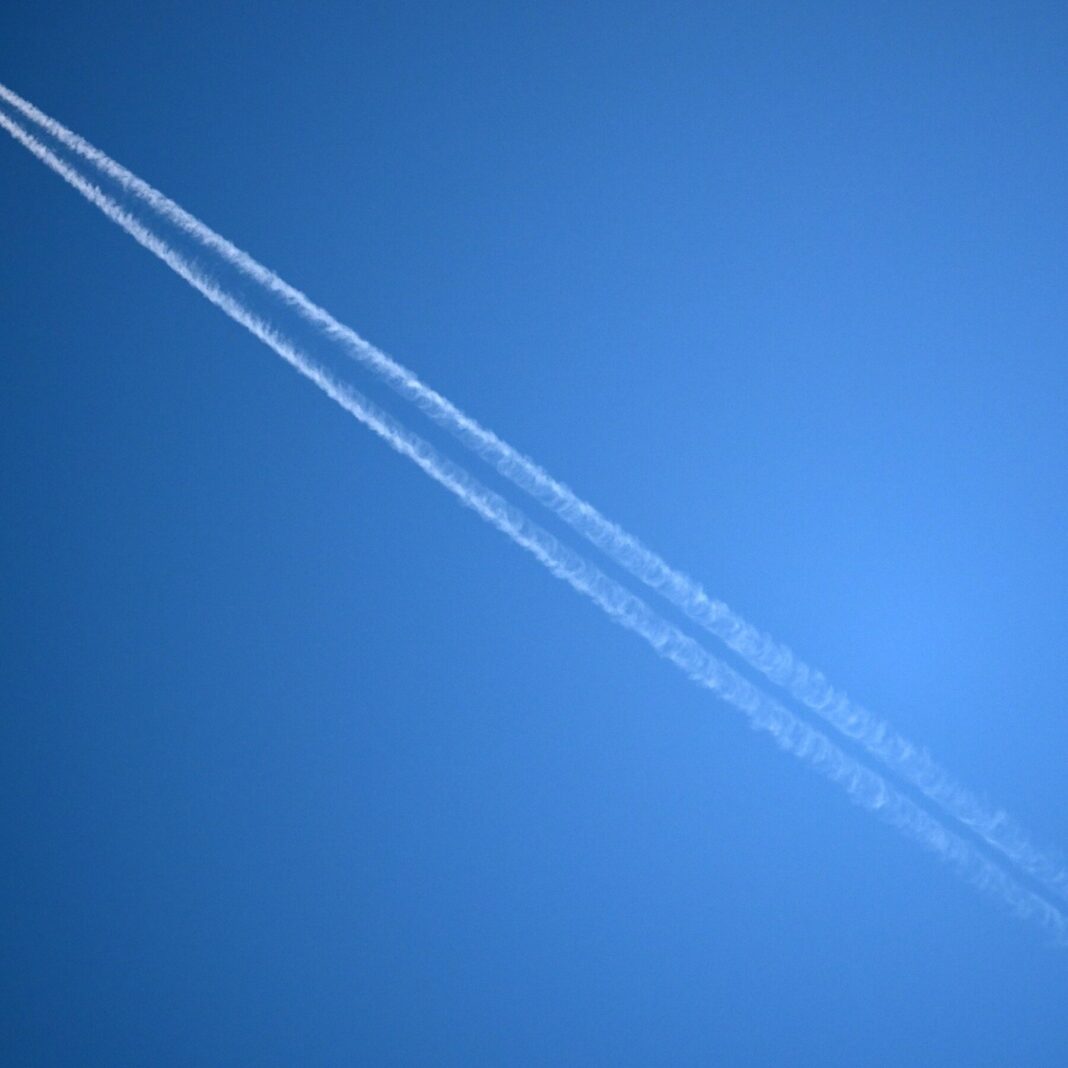
Contrails, the white lines left behind by aircraft, can trap heat in the atmosphere and contribute to global warming. Not all contrails have this effect, but those formed in certain atmospheric conditions can linger for hours. The test aims to identify and avoid those specific conditions.
Airlines participating in the trial will receive guidance on when to adjust their cruising altitude. The changes will be minor, but they could significantly reduce the climate impact of aviation. The trial will run over a set period to collect enough data for analysis.
The initiative is part of a broader effort to address the aviation industry’s contribution to climate change. While carbon dioxide emissions from flights are a primary concern, contrails have received increasing attention in recent years. Studies suggest their warming effect could be comparable to that of aviation fuel emissions.
Natural weather patterns and air traffic density make the North Atlantic a key testing ground. The region sees some of the heaviest flight traffic in the world. Coordinating altitude changes in this busy airspace requires close collaboration between airlines, air traffic controllers, and researchers.
Data gathered from the trial will help determine whether operational changes are viable on a larger scale. Scientists will track contrail formation and persistence using satellite imagery and onboard sensors. The results will inform future policy decisions regarding flight routing.
The trial does not require new aircraft technology, only adjustments to flight management systems. Pilots and controllers will be given tools to predict when contrail formation is likely. This makes the approach a relatively low-cost option for reducing aviation’s climate footprint.
If successful, the methods tested could expand to other major flight corridors. The findings will also contribute to international discussions on aviation climate strategies. Broader adoption will depend on consistent results and coordination across different regions.
The UK government is backing the trial as part of its commitment to reduce greenhouse gas emissions. Aviation remains one of the harder sectors to decarbonize, and contrail management offers a complementary measure alongside sustainable fuels and new aircraft designs. Final results are expected to be published after the trial concludes.