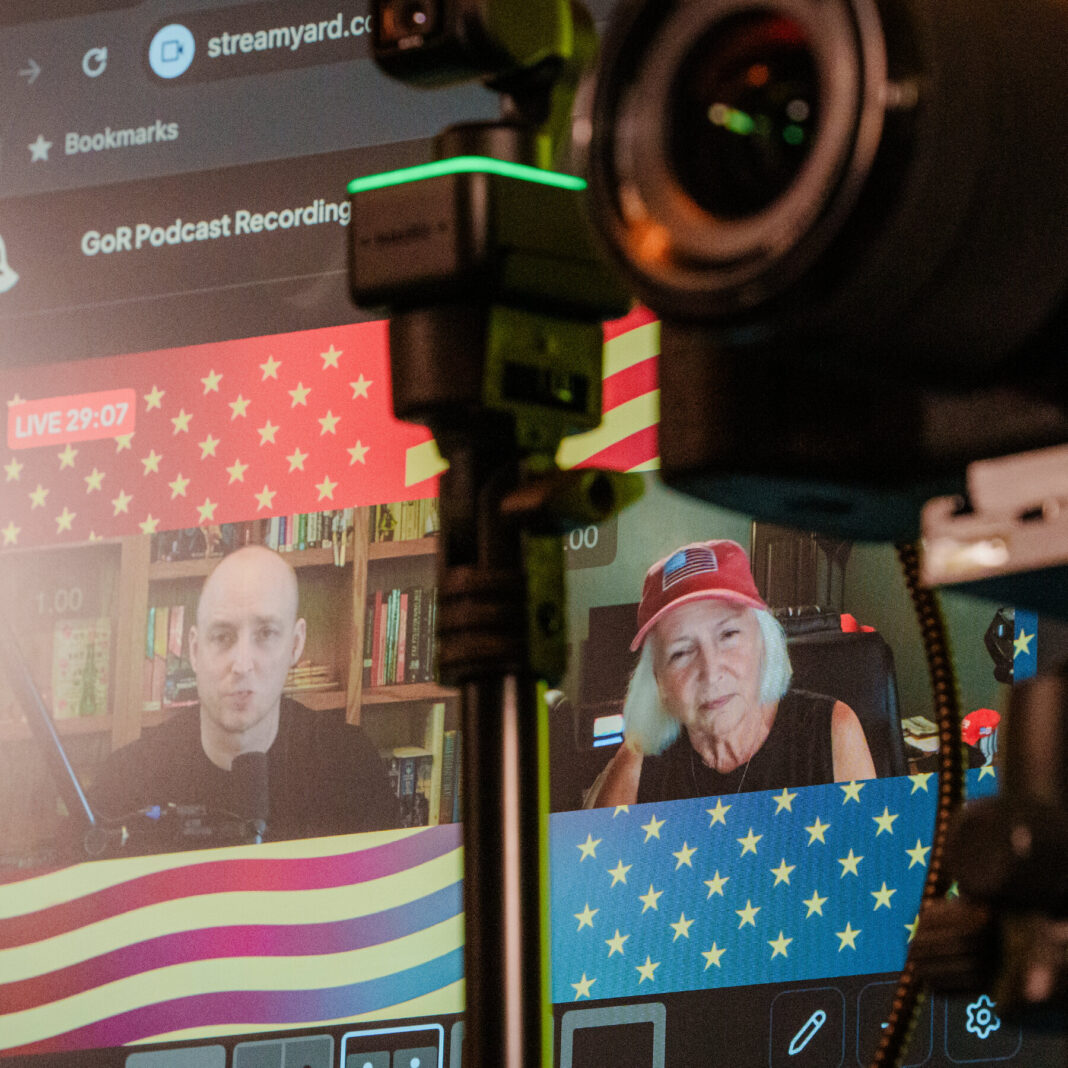
The Necessary Conversation, a podcast and YouTube series, has turned the private friction of family political disagreements into a very public spectacle. The show places relatives with opposing views in the same room, forcing them to confront their differences on camera. It serves as a mirror for the countless similar disputes unfolding in households nationwide.
Each episode invites family members to discuss their political divides without the buffer of a news anchor or moderator. The format strips away the usual talking points found on cable television. Instead, it relies on the raw, unfiltered dynamic between people who share a last name but not a political ideology.
The program’s structure is simple. Relatives are seated across from one another, given a topic, and asked to talk. The tension comes from their inability to retreat into echo chambers, as they must face the person they disagree with directly. This setup often leads to moments of genuine frustration, but it also creates space for unexpected empathy.
Viewers have responded to the show’s vulnerability, which stands in stark contrast to the polished debates seen on major networks. The lack of a professional moderator means conversations frequently veer into personal history, childhood memories, and family grudges. These detours reveal how political identities are often tangled with deeper emotional connections.
The show’s creators have stated that their goal is not to change anyone’s mind, but to model a way of listening. By allowing arguments to run their course without interruption, they demonstrate the difficulty of maintaining relationships across a political chasm. The result is often messy, but it feels more honest than a traditional debate.
For many families, the dinner table has become a battlefield that they choose to avoid altogether. The Necessary Conversation offers an alternative, suggesting that direct confrontation might be less damaging than silence. It does not offer a solution, but it validates the struggle that many people experience during the holidays.
The show also highlights the generational divides that often fuel these conflicts. Older relatives frequently cling to established norms, while younger participants push for progressive change. This recurring theme adds a layer of complexity to each episode, reminding viewers that politics is never just about policy.
Critics might argue that airing family disputes is exploitative, but supporters see it as a form of civic education. In a time when public discourse is dominated by algorithms and outrage, watching two people who love each other argue honestly feels refreshingly authentic. The show does not offer any easy answers, but it proves that the conversation, however difficult, is still worth having.