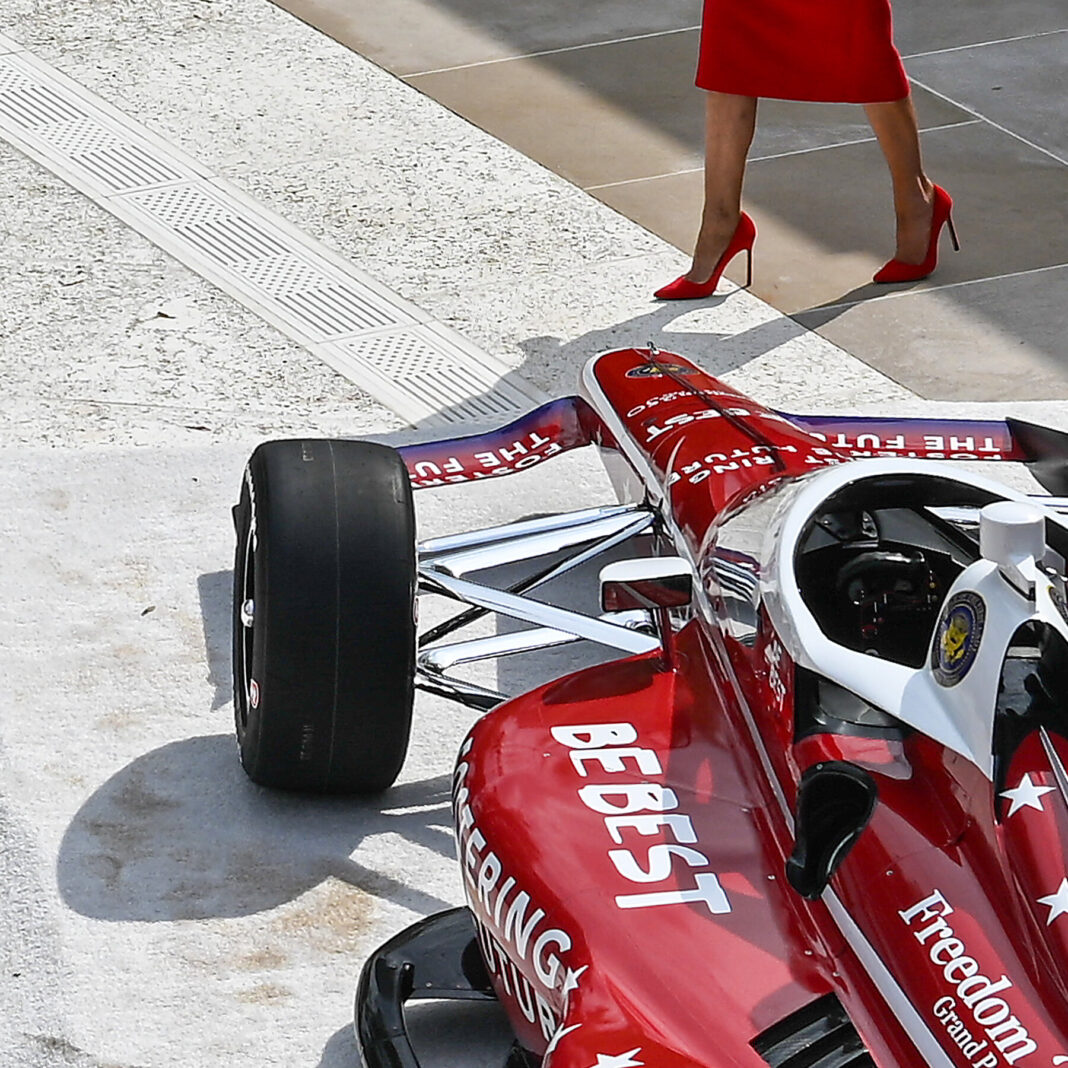
Race preparations in Washington, D.C., have snarled traffic, rerouted flights, and forced the National Gallery of Art to conduct vibration tests. The city’s first Grand Prix weekend is underway, but for many residents, the event has become more of a disruption than a celebration.
Road closures across the downtown corridor have created gridlock during peak commuting hours. Drivers face detours that add thirty minutes or more to routine trips. Buses have been rerouted, and several Metro stations have restricted access near the racecourse.
The Federal Aviation Administration has altered flight paths to accommodate the temporary circuit, shifting arrivals and departures at Reagan National Airport. Pilots now navigate a revised approach that reduces noise over the track but increases it over nearby neighborhoods. Local officials say the changes aim to balance safety with minimal disruption.
Museum officials ordered vibration tests to assess the impact of passing race cars on sensitive artwork. The National Gallery of Art, located blocks from the route, monitors structural integrity as thousands of spectators gather nearby. Early results show no damage, though staff remain cautious during high-speed practice laps.
Residents have voiced frustration on community boards and social media, citing noise, parking restrictions, and limited access to businesses. Some shop owners report a drop in foot traffic, despite the promise of increased tourism. A barista near the circuit described the weekend as “a headache with no upside.”
City leaders defend the event, pointing to projected revenue and international exposure. Organizers estimate tens of millions in economic impact, with hotels and restaurants expected to benefit. They also highlight plans for future races that include improved logistics and community outreach.
The Grand Prix continues through Sunday, with practice sessions and the main race drawing large crowds. Officials will review traffic data and resident feedback after the event. Future editions may adjust routes or scheduling to reduce friction with daily city life.
For now, D.C. residents push through barricades and delayed commutes, waiting for the tracks to clear. The spectacle brings speed and excitement, but it demands patience from a city unaccustomed to such disruption.