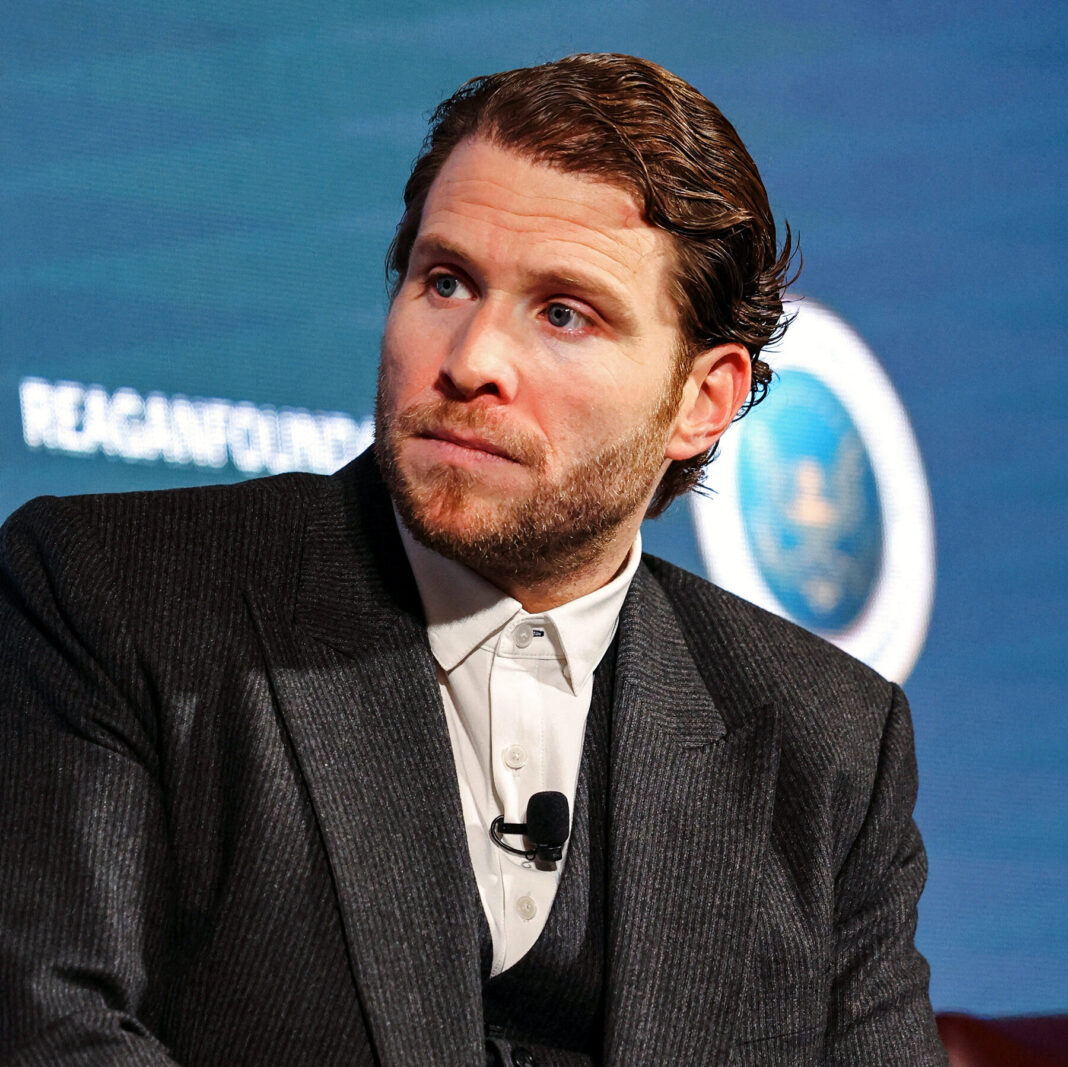
Joe Lonsdale, a venture capitalist and co-founder of Palantir Technologies, has emerged as a pivotal figure behind the Trump administration’s homelessness policy. His influence flows primarily through the Cicero Institute, a think tank he founded in 2020. The group has become the leading Republican voice advocating for aggressive street-clearing measures.
The institute’s policy playbook focuses on involuntary psychiatric commitments and the enforcement of camping bans. It promotes the idea that shelters can mandate treatment as a condition for housing. This approach marks a stark departure from the “housing first” model, which prioritizes permanent housing without preconditions.
Lonsdale’s political engagement is not limited to policy papers. He has hosted high-profile fundraisers for Republican candidates, including Donald Trump. This financial and intellectual backing has solidified his status as a key behind-the-scenes influencer in conservative politics.
The Cicero Institute argues that traditional methods have failed to address the visible crisis on American streets. It asserts that a more paternalistic approach is necessary to help individuals struggling with severe mental illness or addiction. Critics, however, contend that these policies criminalize poverty rather than solve it.
The administration has incorporated several of these ideas into its executive orders and federal guidance. Measures now include expanded authority for law enforcement to clear encampments and incentives for states to adopt involuntary treatment laws. These actions reflect a significant shift in federal strategy.
The debate has intensified among local officials and advocacy groups. Some cities have reported success in reducing visible homelessness, while others face legal challenges over civil liberties. The policy’s long-term effectiveness remains an open question, with data still limited.
Lonsdale’s influence underscores a broader trend of tech billionaires entering the public policy arena. His approach blends data-driven thinking with a libertarian-leaning yet interventionist philosophy. The result is a controversial but increasingly dominant framework for tackling one of America’s most intractable issues.
As the policy unfolds, its impacts will be measured in both human outcomes and political consequences. The question now is whether this model can deliver lasting results or if it will spark further backlash. For now, Lonsdale’s imprint on the homelessness debate is unmistakable.