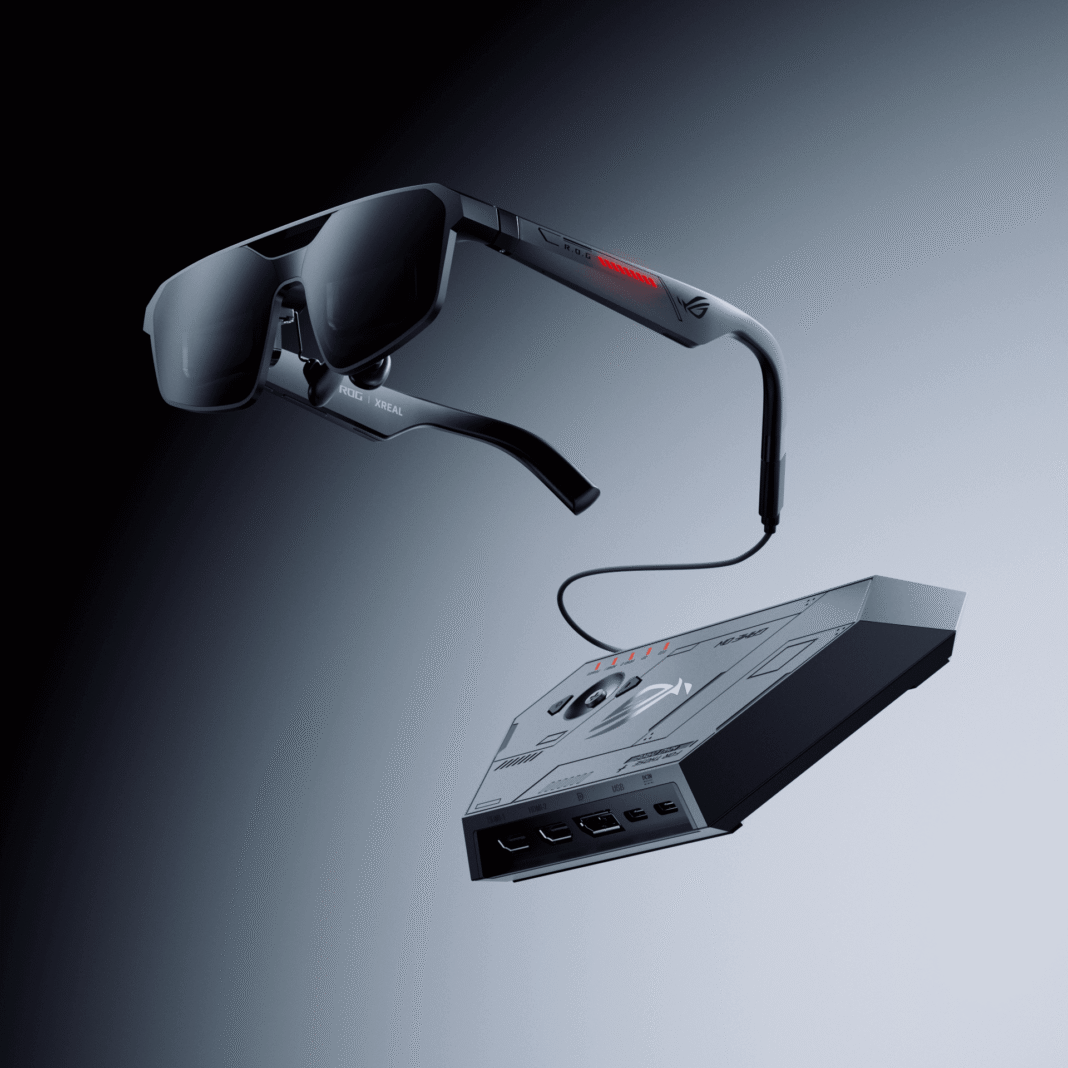
Tethered display glasses are emerging as a practical alternative to bulky spatial computing headsets. These devices prioritize simplicity over immersive environments, offering a plug-and-play solution for users seeking a large, personal screen.
The core appeal lies in their straightforward design. Instead of tracking hands or mapping rooms, these glasses function as a direct monitor worn on the face. This approach eliminates the complexity of mixed reality and focuses on a single, high-resolution display.
For productivity, the use case is clear. A user can connect the glasses to a laptop, recline in a chair, and view a virtual desktop without physical constraints. The experience mimics a massive monitor floating in space, which can be a significant upgrade for those working in tight quarters or traveling frequently.
Entertainment also benefits from the minimalist hardware. Streaming services and gaming platforms render directly onto the display, providing a private theater experience. The lack of external sensors means there is less setup time and fewer points of failure during use.
The trade-off is the aesthetic. The current generation of tethered glasses often looks utilitarian, resembling prototype devices rather than consumer fashion items. This is a deliberate design choice, favoring function over style to keep weight down and cost manageable.
Battery life and processing power remain in the host device, which keeps the glasses lightweight. This tethered approach ensures the headset itself does not need to be charged, allowing for extended sessions without interruption.
The market is slowly shifting toward these practical tools, even as major brands push for more ambitious augmented reality. For users who just want a bigger screen without the bulk, the choice is becoming increasingly compelling. These glasses do not aim to replace everything, but they do a specific job exceptionally well.