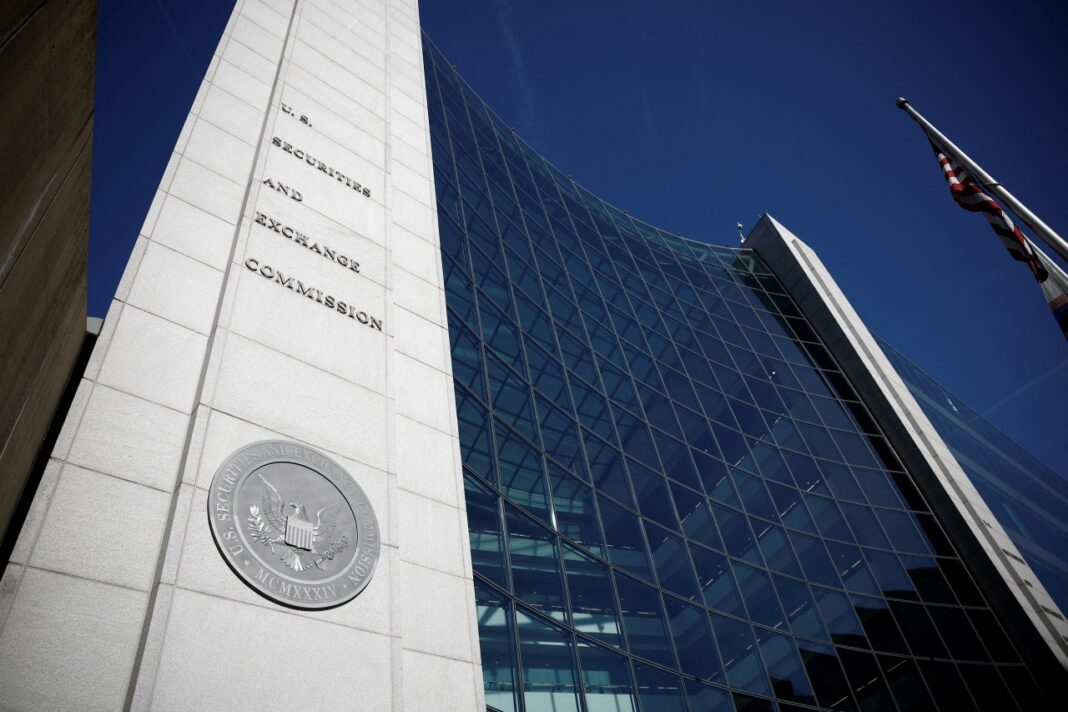
Regulators are investigating the near-collapse of a hedge fund whose trading strategy relied heavily on artificial intelligence. The U.S. Securities and Exchange Commission has requested information from banks that supplied financing for the fund’s AI-driven positions.
The inquiry focuses on how lenders extended credit to amplify the fund’s bets. These financing arrangements allowed the fund to take on significant leverage, increasing both potential returns and risks. The SEC is examining whether the banks properly assessed the risks involved.
The hedge fund’s strategy centered on AI models that identified market opportunities. The models processed vast amounts of data to make rapid trading decisions. The near-collapse occurred when those decisions led to substantial losses in a short period.
The incident has raised questions about the stability of AI-centric investment approaches. Market participants are now paying closer attention to how such strategies are funded. The SEC’s probe aims to determine if existing rules adequately cover these new forms of trading.
Banks involved in the financing are cooperating with the investigation. They have provided documents detailing the terms of the loans and the collateral used. The SEC is reviewing whether disclosure requirements were met.
The case highlights growing concerns about leverage in algorithmic trading. Regulators have warned before about the systemic risks of tightly interconnected financial bets. This episode underscores the potential for rapid, cascading failures when AI models misjudge market conditions.
No formal charges have been filed, and the investigation remains in its early stages. The SEC has not commented on the timeline for a resolution. The outcome could influence future oversight of AI-driven trading and its funding sources.