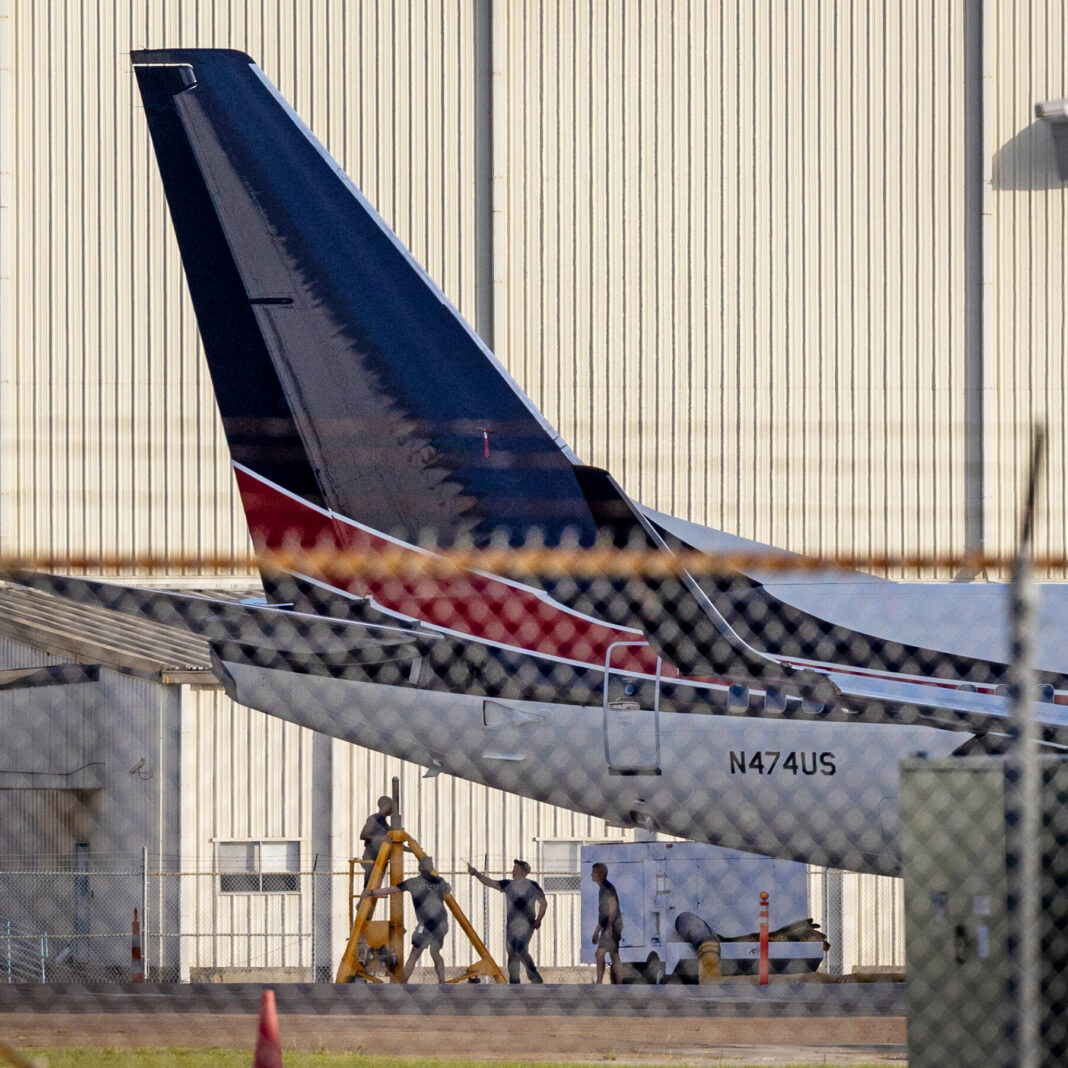
Democratic senators are pressing the Department of Homeland Security for answers about its fleet of expensive, underused aircraft. The push follows a New York Times investigation that uncovered the agency’s sizable investment in planes that remain grounded most of the time.
The department reportedly spent $464 million on used jets, yet these aircraft rarely take to the skies. Lawmakers now want detailed explanations regarding the purchase decisions and operational planning behind the fleet. Their request targets the department’s leadership, seeking clarity on why such a large expenditure yields so little use.
Senators involved in the inquiry are focusing on cost efficiency and mission readiness. They argue the money could have been directed toward other pressing security priorities. The request for information includes specifics on flight logs, maintenance costs, and the intended purpose of each aircraft.
The original Times report highlighted a pattern of procurement choices that raised internal concerns. Sources familiar with the matter indicated that some planes were acquired without clear, long-term mission requirements. This has led to a situation where expensive assets sit idle, depreciating in value while consuming resources.
Homeland Security officials have not yet issued a public response to the senators’ inquiry. The agency previously defended the purchases as necessary for flexible response capabilities. However, the new scrutiny suggests a growing bipartisan appetite for oversight on how security funds are spent.
The senators’ letter asks for a detailed breakdown of each jet’s usage since acquisition. It also requests an assessment of whether these aircraft could be sold or transferred to other agencies. Lawmakers want a timeline for when full operational status might be achieved, if at all.
This development marks another chapter in federal spending oversight, with a focus on tangible results. The outcome of this inquiry could influence future procurement policies for other agencies. For now, the fate of the multimillion-dollar fleet remains uncertain.