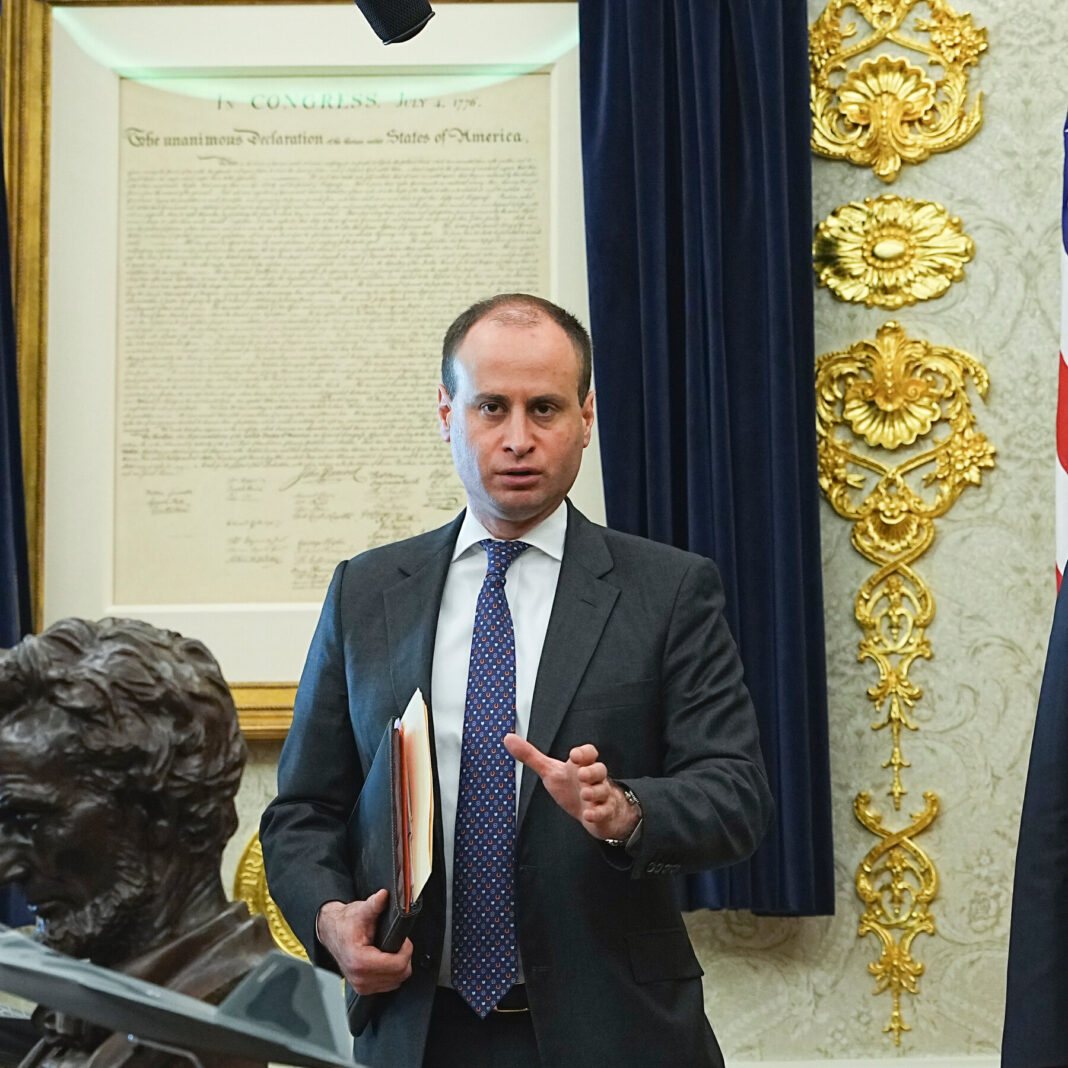
Will Scharf has demonstrated unwavering loyalty to President Trump, even starring in a television advertisement where he destroys documents related to the president’s legal battles. His new position, however, requires him to serve as the White House counsel, offering internal legal guidance rather than public spectacle.
The role demands a shift from advocacy to advisory work, where the primary focus is protecting the office and its occupant through confidential counsel. Scharf’s public persona, built on aggressive defense, contrasts sharply with the quiet, meticulous nature of the job.
His appointment signals a preference for trusted allies in high-stakes legal positions, though the transition may test his ability to temper his combative style. The White House counsel must navigate complex legal boundaries, often advising against actions that could create new risks.
Colleagues note that Scharf’s loyalty is an asset, yet the role requires a willingness to deliver unwelcome news to the president. Whether he can balance that duty with his demonstrated devotion remains an open question.
Legal experts observe that the counsel’s effectiveness hinges on credibility, not just camaraderie. A lawyer who never says no risks enabling poor decisions, undermining the very protection the office is meant to provide.
Scharf’s background suggests he understands the stakes, having built a career on high-profile cases. Still, the internal dynamics of the White House demand a different skill set, one that prioritizes foresight over fervor.
Observers will watch closely to see if he adapts, as the consequences of missteps in this role resonate far beyond the West Wing. The position carries weight in shaping policy and shielding the administration from legal pitfalls.
Ultimately, Scharf’s success will depend on his capacity to evolve from a public champion into a trusted, behind-the-scenes advisor. The office demands no less, regardless of personal allegiances.