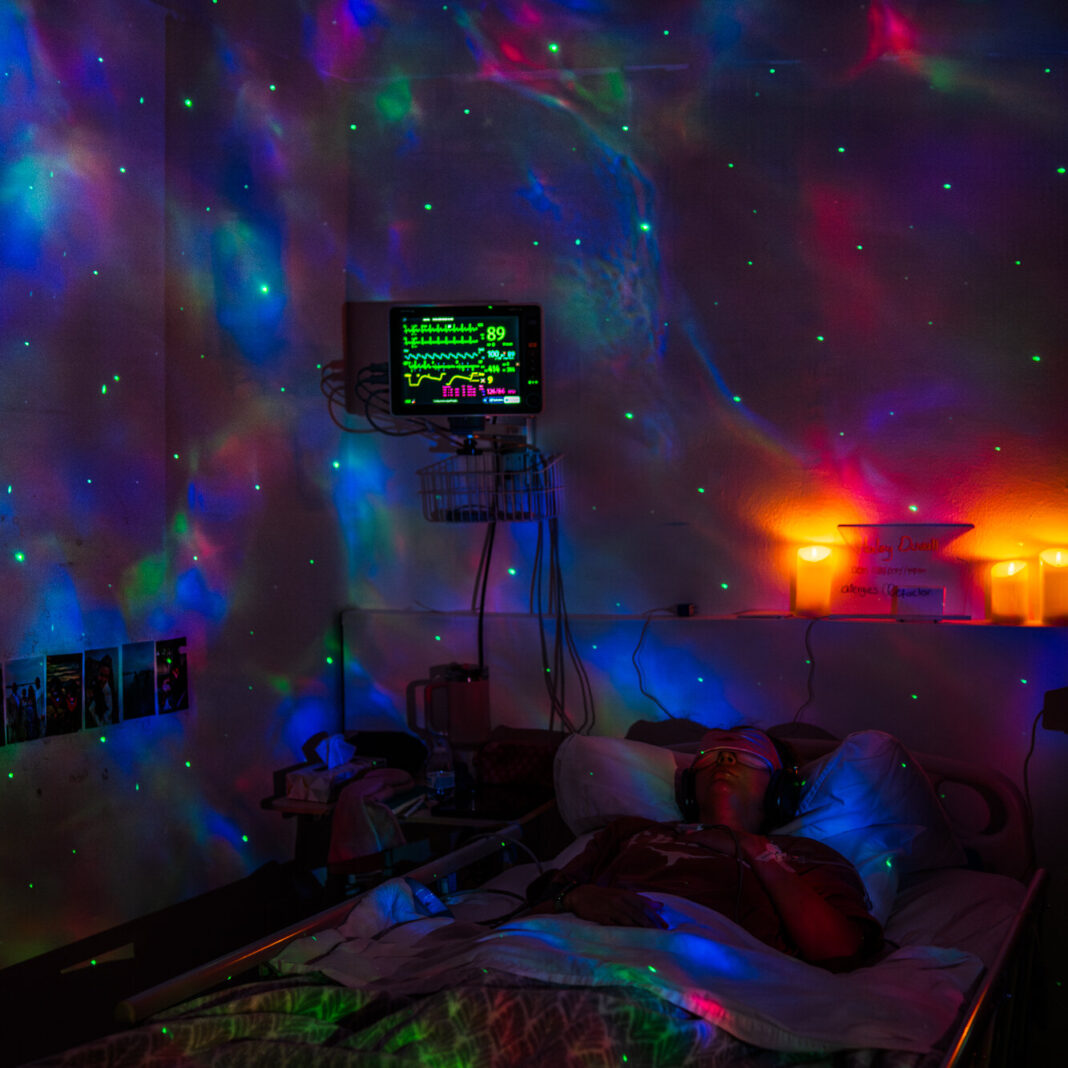
Americans seeking psychedelic treatments abroad are entering a largely unregulated landscape. Clinics in countries like Mexico offer powerful substances with little oversight. Participants, often in vulnerable states, have little recourse if mistreated or injured.
The allure of these therapies is strong for those who have exhausted conventional options. Conditions such as severe depression, PTSD, and addiction drive patients to seek alternative paths. Ibogaine, a plant-based compound, is one of the most sought-after treatments for opioid addiction. Its promise of rapid results contrasts sharply with slower, traditional medical protocols.
However, the risks are significant. The clinics operate outside U.S. medical regulations and standards. Many lack formal accreditation or certified medical staff. Reports of adverse reactions, including cardiac complications, are not uncommon. Without a governing body, patients have limited ability to file complaints or seek legal action.
The legal status of these substances complicates matters further. Ibogaine is classified as a Schedule I drug in the United States, making it illegal to possess or administer. This classification pushes treatment seekers across borders. Once abroad, they fall under the jurisdiction of local laws, which offer different levels of protection.
Patient safety hinges on the individual clinic’s practices. Some facilities do employ experienced medical teams and follow strict protocols. Yet, verifying these credentials from a distance is nearly impossible. Online testimonials and marketing materials offer little assurance. A pre-existing heart condition can turn a session into a life-threatening event.
Medical experts urge caution. They emphasize that no psychedelic treatment is without risk, especially for those with complex health histories. A thorough pre-screening process is essential, but it is not guaranteed abroad. Language barriers also hinder communication, making it harder to discuss medical histories or consent forms clearly.
The emotional vulnerability of patients adds another layer of concern. Many arrive desperate for relief. This desperation can cloud judgment, leading them to overlook warning signs. Clinics may exploit this state, offering unproven therapies at high costs.
For those still considering such trips, independent research is critical. Consulting a U.S.-based physician beforehand can help identify potential risks. Preparing a detailed medical history and confirming emergency plans is advised. Having a trusted contact who knows the clinic’s location and your itinerary can provide a safety net.
The demand for psychedelic therapies is growing, and so is the market for clinics abroad. As the field evolves, clearer international standards may emerge. Until then, the burden of safety falls heavily on the individual patient. The promise of healing must be weighed against the very real potential for harm.