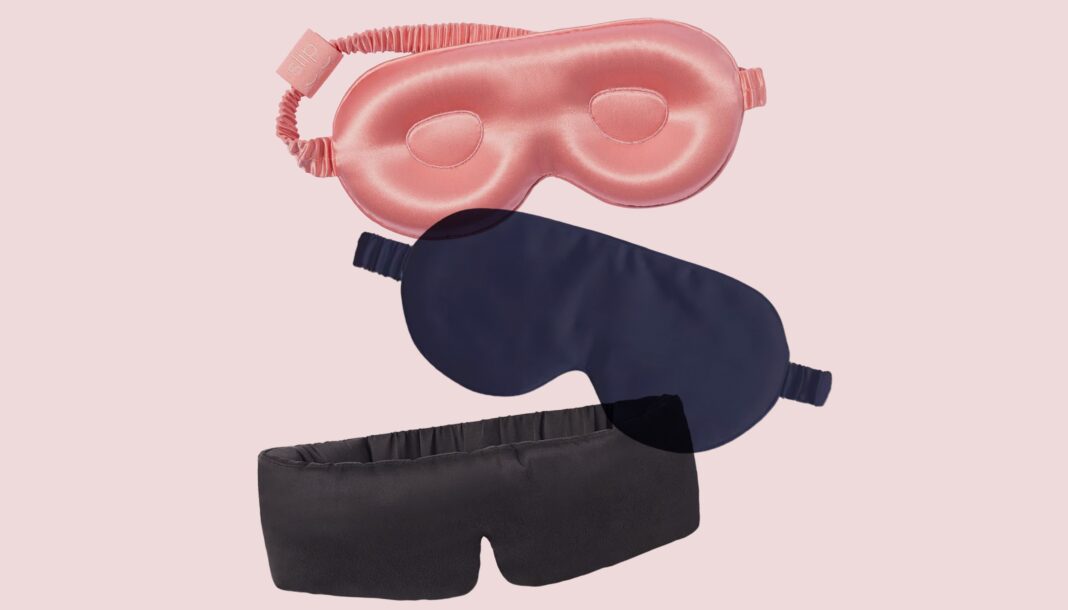
The best sleep masks of 2026 combine soft fabrics with complete light blocking. These picks target people who wake easily when light enters a room. New designs improve fit, comfort, and airflow over older styles.
Total darkness helps the body release melatonin, the hormone that triggers sleep. Streetlights, early sunrises, and phone screens interrupt that process. A well-made mask restores the dark environment the brain expects at night.
Side sleepers need masks with thin straps and cushioned padding. Pressure on the temples or ears can cause discomfort and wake someone up. Wraparound and contoured shapes solve this problem better than flat rectangles.
Back sleepers have more freedom in choosing a mask. A molded cup design keeps fabric away from the eyes and allows natural blinking. This also prevents smudged skincare products and irritation along the lash line.
Hot sleepers should look for breathable materials such as silk, bamboo, or moisture-wicking synthetics. Heavy fabrics trap heat and cause sweating, which defeats the mask’s purpose. Ventilated panels and adjustable straps further improve airflow.
Frequent travelers need masks that fold flat and resist light leaks around the nose. Memory foam edges and nose baffles create a tighter seal on planes and in hotels. A compact carrying pouch protects the mask and keeps it clean between trips.
Price does not always predict performance. Several affordable masks block light as effectively as luxury silk versions. Shoppers should prioritize fit and fabric weight over brand names and packaging.
Washing matters for longevity and eye health. Most masks are hand-washable in cool water and should air dry away from direct heat. Replacing worn elastic and stretched straps keeps the fit snug over time.