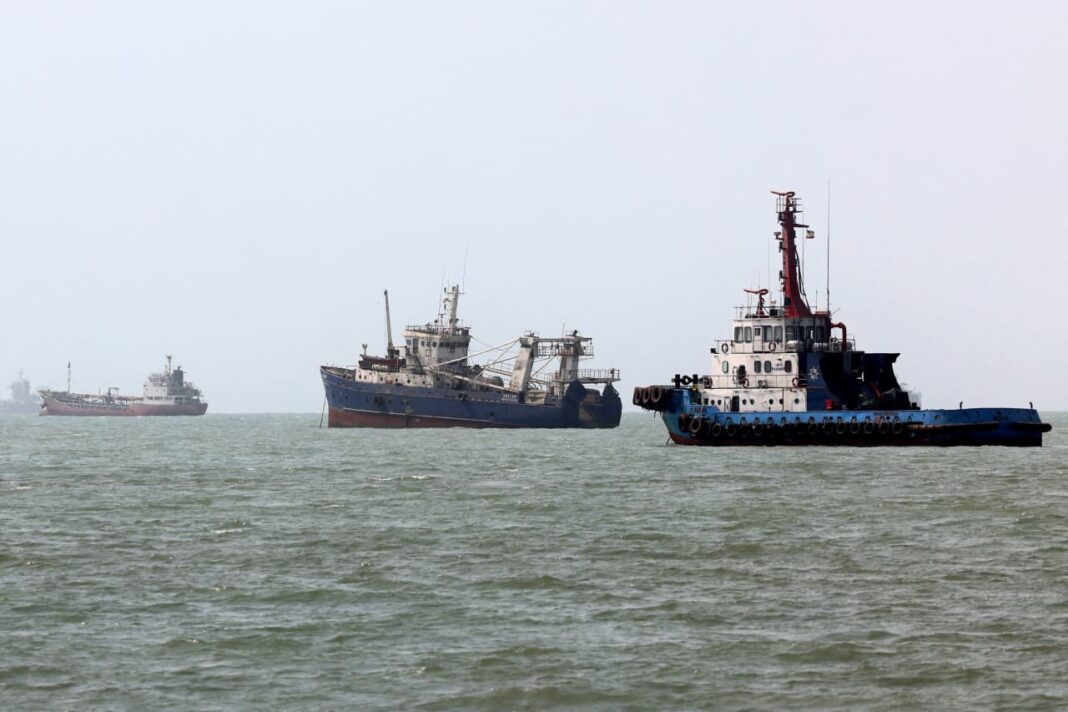
Brent crude futures climbed above $90 a barrel on Monday after the United States and Iran exchanged fire for the first time in a month. The escalation marks a significant shift in the ongoing confrontation between the two nations. Market analysts closely tracked the initial reports of the clash, which quickly influenced trading activity. The price move reflects renewed concerns over supply disruptions in the Middle East. Investors are now weighing the potential for a broader conflict in the region.
The direct exchange of fire ended a brief period of relative calm. Previous weeks had seen no direct military engagement between U.S. and Iranian forces. This new incident, however, reintroduced significant risk premium into the oil market. Traders responded swiftly, pushing Brent prices to their highest level in recent weeks. The development underscores the fragile nature of supply chains in the region. Any further escalation could lead to more substantial price increases.
Geopolitical tensions have been a key driver for oil prices throughout the year. The market had previously absorbed a series of attacks and counterattacks. Monday’s event, however, carries added weight due to its direct nature. The last direct confrontation occurred roughly a month ago, and its absence had allowed prices to stabilize. Now, that stability has been disrupted. Analysts are monitoring the situation for any signs of retaliation or further military moves.
The price surge also lifted other oil benchmarks, including West Texas Intermediate crude. WTI futures rose in tandem with Brent, reflecting a broad market response. The movement indicates that investors are treating the news as a major event. Energy stocks on major exchanges also saw gains in early trading. The ripple effect highlights how interconnected global markets are with geopolitical developments.
Supply concerns remain at the forefront of market sentiment. The Middle East accounts for a significant portion of global oil output. Any disruption in the Strait of Hormuz could have severe consequences. So far, no supply outages have been reported. However, the mere threat of such events is enough to drive prices higher. Market participants are also watching OPEC’s response to the rising prices.
The United States and Iran have a long history of strained relations. Recent months have seen a series of provocations and retaliations. This latest clash adds another layer of uncertainty to an already complex situation. Diplomatic efforts to de-escalate tensions have shown limited progress. The international community is urging both sides to show restraint. Yet, the market is preparing for the possibility of prolonged instability.
Looking ahead, traders will focus on upcoming inventory data and geopolitical news. Any further escalation could push prices beyond the $90 mark. Conversely, a de-escalation could lead to a rapid correction. The market remains highly sensitive to headline risk. For now, the upward pressure on oil prices is expected to persist. The situation remains fluid and subject to change at any moment.