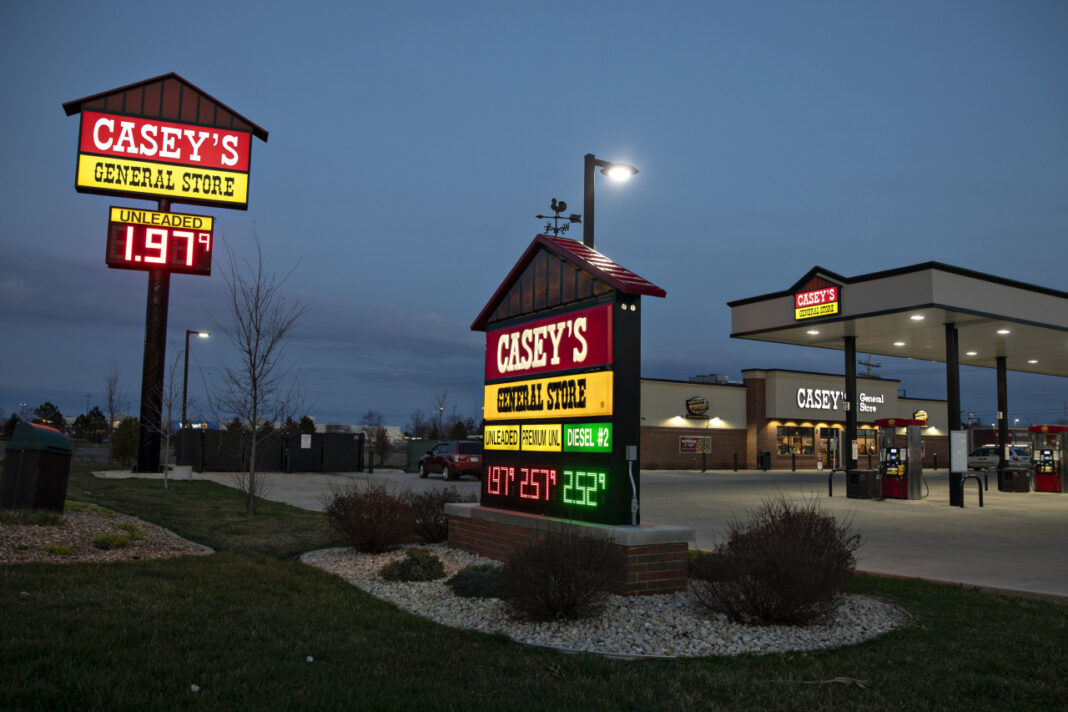
A gas-station chain is emerging as an unexpected competitor to Domino’s Pizza, according to a recent Wall Street Journal report. The chain has been capturing market share with a focus on convenience and low prices. Its growth is drawing attention from investors and industry analysts alike.
The company behind this shift has leveraged its existing locations to offer quick, affordable meals. Customers can now pick up pizza alongside fuel and everyday items. This model reduces overhead costs and speeds up service. Domino’s, by contrast, relies heavily on delivery and traditional storefronts.
Oil prices continue to climb, adding pressure to delivery-dependent businesses. Higher fuel costs eat into margins for companies that offer widespread delivery. Gas-station competitors are less exposed since customers come to them. This dynamic is shifting the competitive landscape in the fast-food sector.
Global bond yields are also moving higher, signaling broader economic changes. Rising yields often reflect expectations of sustained inflation or stronger growth. For restaurant chains, this translates into higher borrowing costs and tighter budgets. Investors are watching these trends closely.
The gas-station chain’s success is not accidental. Its strategy centers on operational efficiency and strategic site placement. Many locations sit in high-traffic areas with ample parking. The company has also streamlined its menu to reduce preparation time. This allows for rapid turnover and consistent product quality.
Domino’s has responded with promotions and menu updates, but the challenge remains. The company’s reliance on delivery makes it vulnerable to rising labor and fuel expenses. Analysts note that the pizza giant still holds a strong brand and loyal customer base. However, the competitive threat is real and growing.
Market observers are now questioning whether other quick-service restaurants face similar risks. The gas-station model could expand beyond pizza into other food categories. If successful, it may redefine convenience dining. For now, the chain is proving that low-cost, accessible options can disrupt established players.