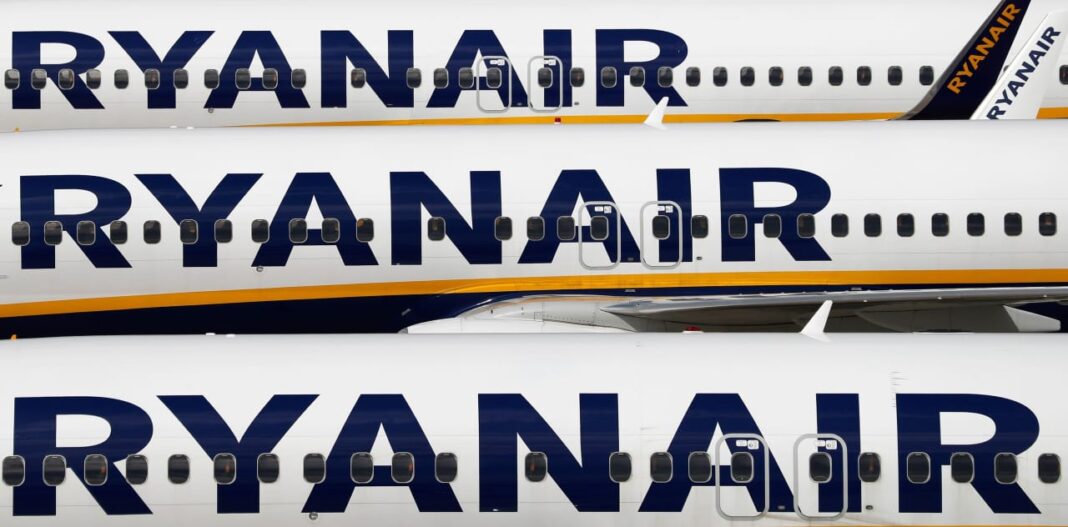
Europe’s largest airline has reduced its winter flight capacity in response to soaring jet-fuel costs. Ryanair’s decision highlights how the energy crisis is affecting the real economy, with unhedged fuel prices now reaching $140 per barrel.
The Irish carrier announced the capacity cut on Wednesday, a move designed to limit financial losses during the colder months. Fuel costs represent one of the largest expenses for airlines, and current prices are significantly higher than earlier forecasts.
Ryanair typically hedges a portion of its fuel purchases to protect against price swings. However, the airline’s remaining exposure to unhedged fuel at current levels has prompted a more cautious approach to its winter schedule.
By reducing capacity, Ryanair aims to align supply with demand while mitigating the impact of elevated operational costs. The airline did not specify the exact number of flights affected but noted that route adjustments would vary by market.
Jet-fuel prices have climbed sharply this year, driven by global supply constraints and geopolitical tensions. The $140-per-barrel figure cited by Ryanair reflects a market under sustained pressure, with little signs of immediate relief.
The winter months typically bring lower travel demand, making it harder for carriers to pass on higher costs through ticket prices. Ryanair’s proactive cuts suggest the company expects the fuel-price environment to persist through the season.
Industry analysts note that other European carriers may follow suit if fuel costs remain elevated. Airlines with older fleets or less efficient fuel-hedging strategies could face steeper challenges in maintaining profitability.
Ryanair’s announcement comes as part of a broader trend of capacity reductions across the aviation sector. Carriers are balancing the need to maintain market presence against the financial strain of rising input costs.
The airline’s management emphasized that the decision was a prudent response to current market conditions. While painful, the cuts are intended to preserve the company’s financial stability heading into next year.
Passengers booked on affected winter routes may face schedule changes or cancellations. Ryanair has advised customers to check their flight status and said it would offer refunds or rebooking options where necessary.
The broader economic impact of high fuel prices extends beyond airlines, affecting supply chains and consumer prices. Ryanair’s warning serves as a clear signal that energy costs are reshaping business strategies across industries.
As winter approaches, the aviation industry will be watching fuel-price trends closely. A sustained period at $140 per barrel could force more drastic measures, including higher fares or additional route cuts.
For now, Ryanair’s capacity reduction stands as a defensive move in a volatile market. The coming months will reveal whether other airlines take similar steps to weather the energy storm.