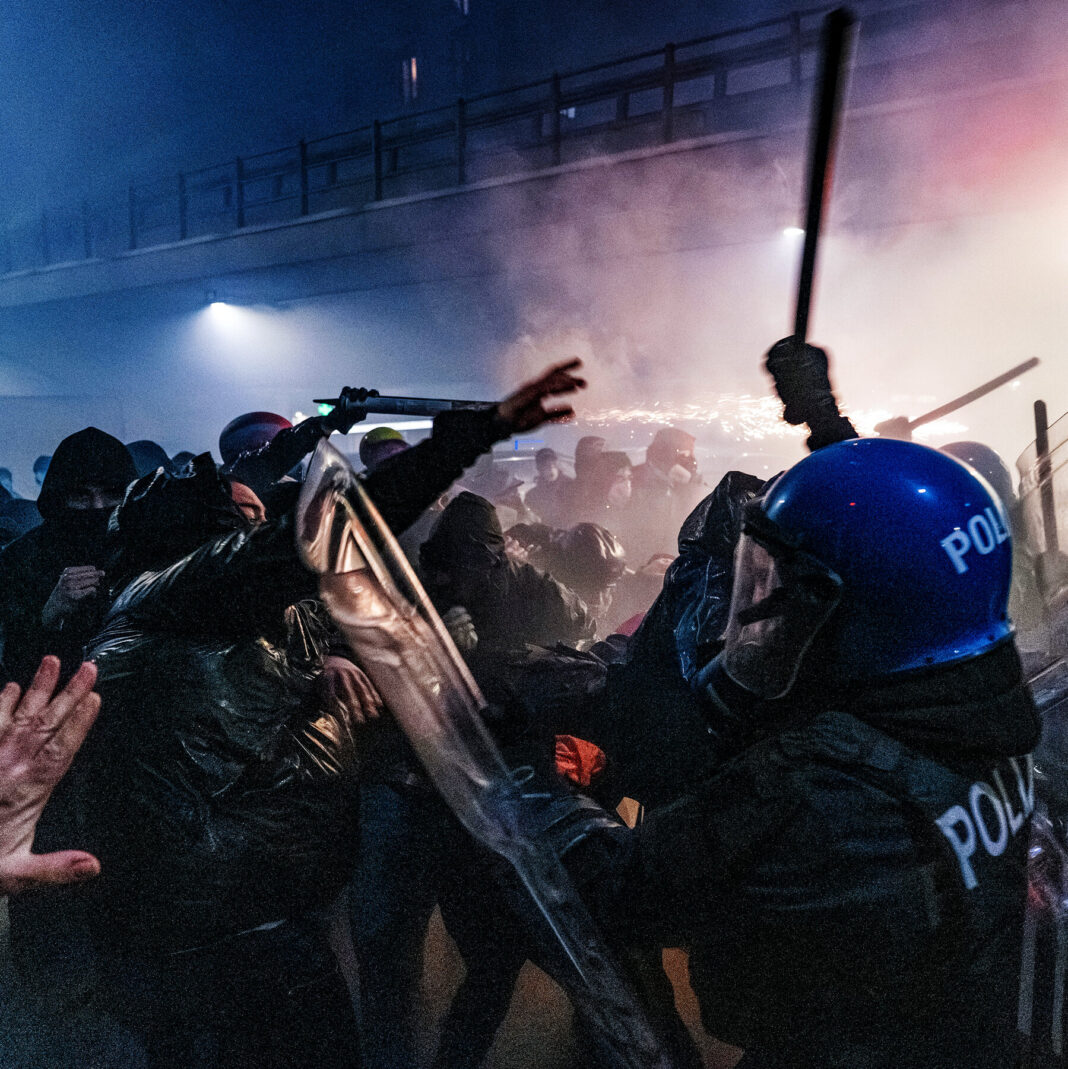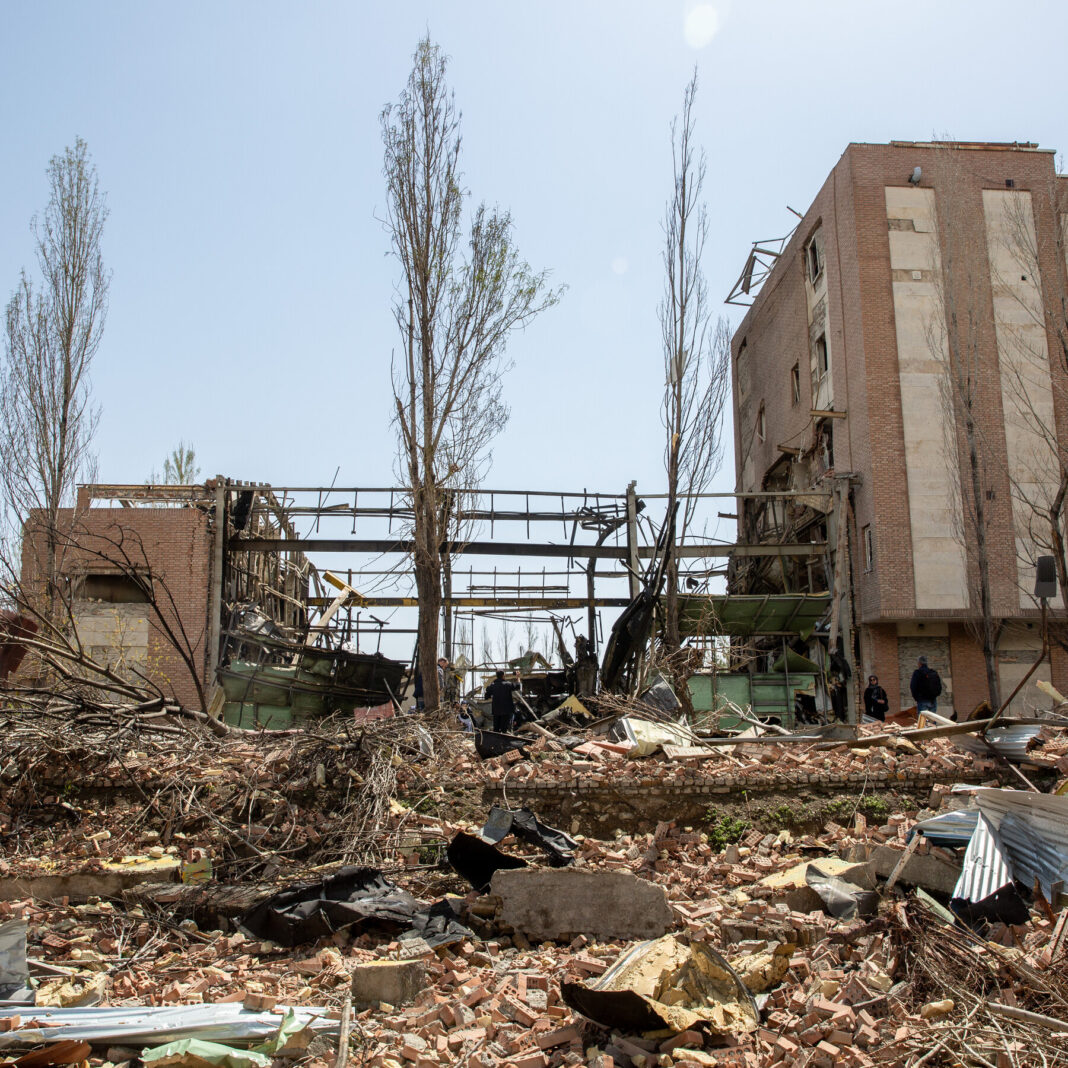
The International Monetary Fund warns a prolonged conflict involving Iran could significantly slow worldwide economic expansion. I.M.F. Managing Director Kristalina Georgieva highlighted the serious risks to global stability. She cautioned that escalating tensions threaten to derail fragile post-pandemic recovery efforts.
Such a conflict could trigger a renewed surge in inflation across major economies. Disruptions to critical energy supplies and trade routes would drive prices higher. Central banks may then be forced to maintain elevated interest rates for longer.
Higher borrowing costs would stifle business investment and consumer spending. Global trade volumes would likely contract as security risks increase. Emerging markets are particularly vulnerable to resulting capital outflows and currency instability.
The warning underscores how regional conflicts now have immediate worldwide economic consequences. Spillover effects extend far beyond the immediate theater of war. Markets for oil, food, and essential commodities face immediate volatility.
The I.M.F. assessment points to a challenging outlook for policymakers worldwide. Navigating simultaneous pressures on growth and prices becomes exceedingly difficult. The potential for stagflationary conditions has notably increased.
Economic damage would compound existing humanitarian crises in the region. Long-term development goals would be set back by years. Global cooperation on other pressing issues could also fracture.
Mitigating these risks requires urgent diplomatic engagement to de-escalate tensions. The economic argument for peace is now powerfully clear. Stability in the Middle East remains inextricably linked to global prosperity.