Measles outbreaks are escalating across multiple regions, creating new challenges for families with immunocompromised children. As the school year resumes, parents are confronting difficult decisions about public exposure.
Children undergoing cancer treatment, organ transplants, or living with primary immune deficiencies cannot receive the measles vaccine. The live virus vaccine poses a direct threat to their weakened immune systems, leaving them without standard protection.
Herd immunity normally shields these vulnerable individuals when vaccination rates remain high. But declining immunization coverage in several communities has weakened this collective defense, increasing transmission risks.
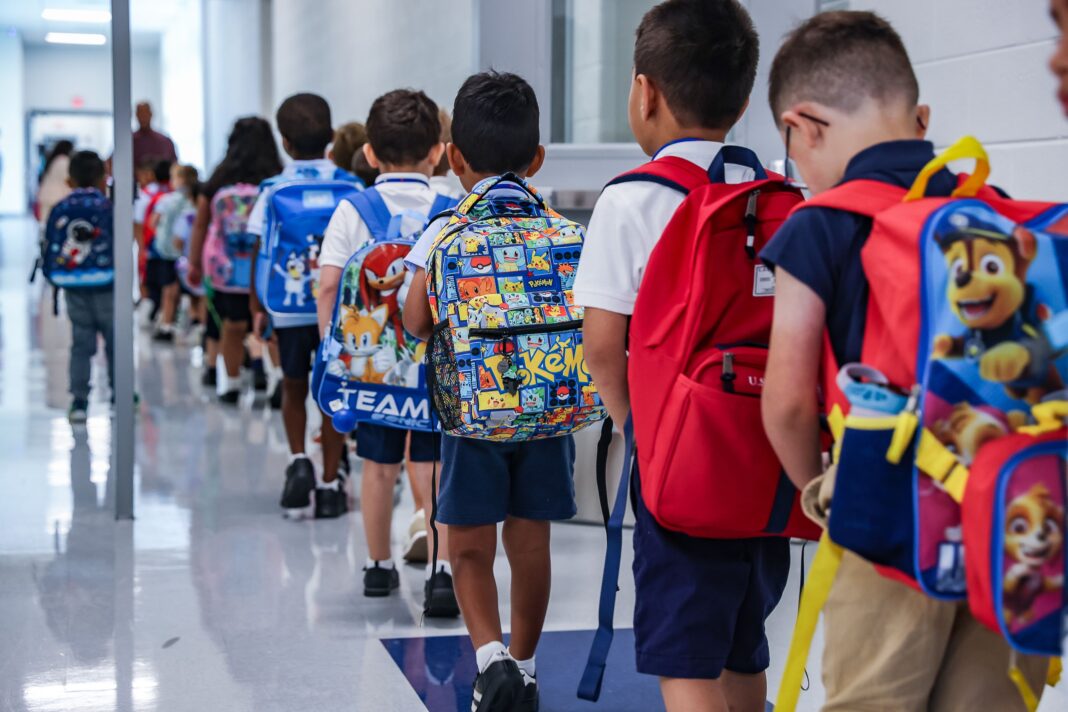
Schools present a particular dilemma for affected families. Classroom attendance carries potential exposure, yet extended isolation can harm a child’s social development and educational progress. Some parents are now weighing alternatives like homeschooling or remote learning options.
Older immunocompromised patients face parallel struggles in workplaces and public transit. Young adults with chronic conditions report heightened anxiety when navigating crowded environments during active outbreak periods.
Public health officials acknowledge the gap in protective measures for this population. Antiviral treatments exist for measles exposure, though their effectiveness depends on rapid administration after contact occurs.
Some families have relocated temporarily to areas with stronger vaccination rates or lower outbreak activity. Others are coordinating with school administrators to establish modified schedules that limit hallway congestion during high-traffic periods.
Healthcare providers urge communities to maintain up-to-date immunizations as a protective measure for medically fragile neighbors. They emphasize that routine childhood vaccinations serve not only individual health but also safeguard those who cannot vaccinate.
The current situation highlights an ongoing ethical challenge in public health policy. Balancing communal safety with individual medical needs requires continued attention as outbreak patterns evolve across different regions.