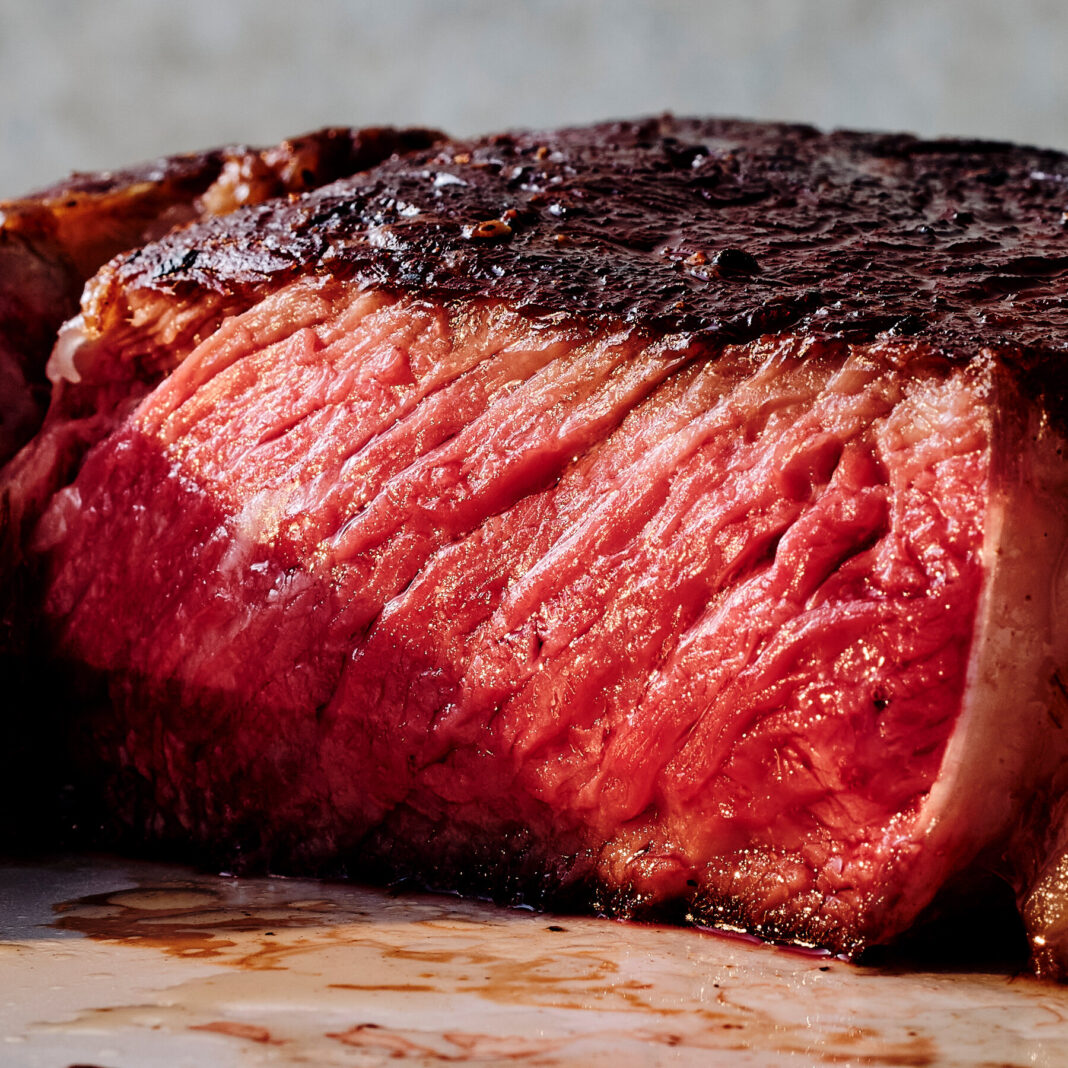
For home cooks preparing a centerpiece steak this Labor Day, the reverse-sear method offers a reliable path to consistent results. This technique involves cooking the meat slowly in a low-temperature oven before finishing it with high heat on a grill or skillet. The two-stage process allows the interior to reach the desired doneness evenly while avoiding the gray band of overcooked meat common with traditional searing.
The process begins by placing the seasoned rib-eye in an oven set to a low temperature, typically around 250 degrees Fahrenheit. This gentle heat gradually raises the internal temperature of the steak without drying out the exterior. Cooks should monitor the meat with an instant-read thermometer, targeting an internal temperature that is roughly 15 to 20 degrees below their final goal.
During this initial stage, the steak does not need to rest before finishing. Once the meat reaches the target temperature, the next step requires a very hot cooking surface. A grill preheated to high heat or a cast-iron skillet with a thin layer of oil will provide the necessary flame or contact to create a deep crust.
The final sear should take no more than one to two minutes per side. This short burst of intense heat develops a flavorful brown crust through the Maillard reaction, which is responsible for the steak’s savory, nutty notes. The high temperature also renders any remaining surface fat, adding richness to the final bite.
Because the interior has already been cooked gently, the searing stage focuses solely on browning the surface. This avoids the common problem where a thick steak reaches the correct center temperature only after the exterior has become burnt or charred. The result is a uniform pink center across the entire cut, from edge to edge.
For those using a grill, the reverse-sear method works particularly well as it allows for precise control of the cooking environment. The oven handles the initial cook, while the grill delivers a smoky finish that complements the beef’s natural flavor. For an indoor alternative, a heavy skillet achieves the same crust, though without the wood-smoke character.
Letting the steak rest for five to ten minutes after searing remains an important step. This brief pause allows the juices to redistribute evenly throughout the meat, ensuring each slice remains moist. Slicing against the grain after rest will further enhance tenderness.
The reverse-sear method is not just about achieving a single perfect cook; it provides a consistent structure for thicker cuts. For rib-eyes two inches thick or more, this technique reduces guesswork significantly. The low, controlled heat gives a home cook the same level of precision typically seen in a professional kitchen.
This Labor Day, applying these steps will yield a steak that is evenly cooked, deeply browned, and juicy. The technique turns a simple cut of beef into a reliable meal, free of the dry edges and burnt surface that often accompany high-heat cooking alone.