Washington’s political scene this summer blended spectacle with policy, as the administration leaned into a distinct cultural and ideological moment. The season featured a striking mix of racecars, cryptocurrency summits, billionaire gatherings, and military displays, all set against a backdrop of glittering events. A headline-grabbing cage fight added a visceral edge to the usual political circuit.
The administration’s outreach to niche industries marked a notable shift in focus. Crypto advocates found receptive audiences at White House events, while automotive and tech leaders mingled with officials. These gatherings signaled an embrace of industries often at odds with traditional regulatory approaches. Attendees described the meetings as substantive, not merely ceremonial.
Military pageantry played a recurring role throughout the summer months. Troop salutes and equipment showcases were integrated into public appearances, reinforcing a strong nationalist tone. The displays drew both praise from supporters and criticism from opponents who viewed them as theatrical. Organizers defended the events as honoring service members.
Billionaire influence remained a visible thread in the capital’s social fabric. Fundraisers and private dinners brought wealthy donors into close contact with key policymakers. This proximity raised questions about access and influence, though participants framed it as standard networking. Several high-profile deals and announcements emerged from these interactions.
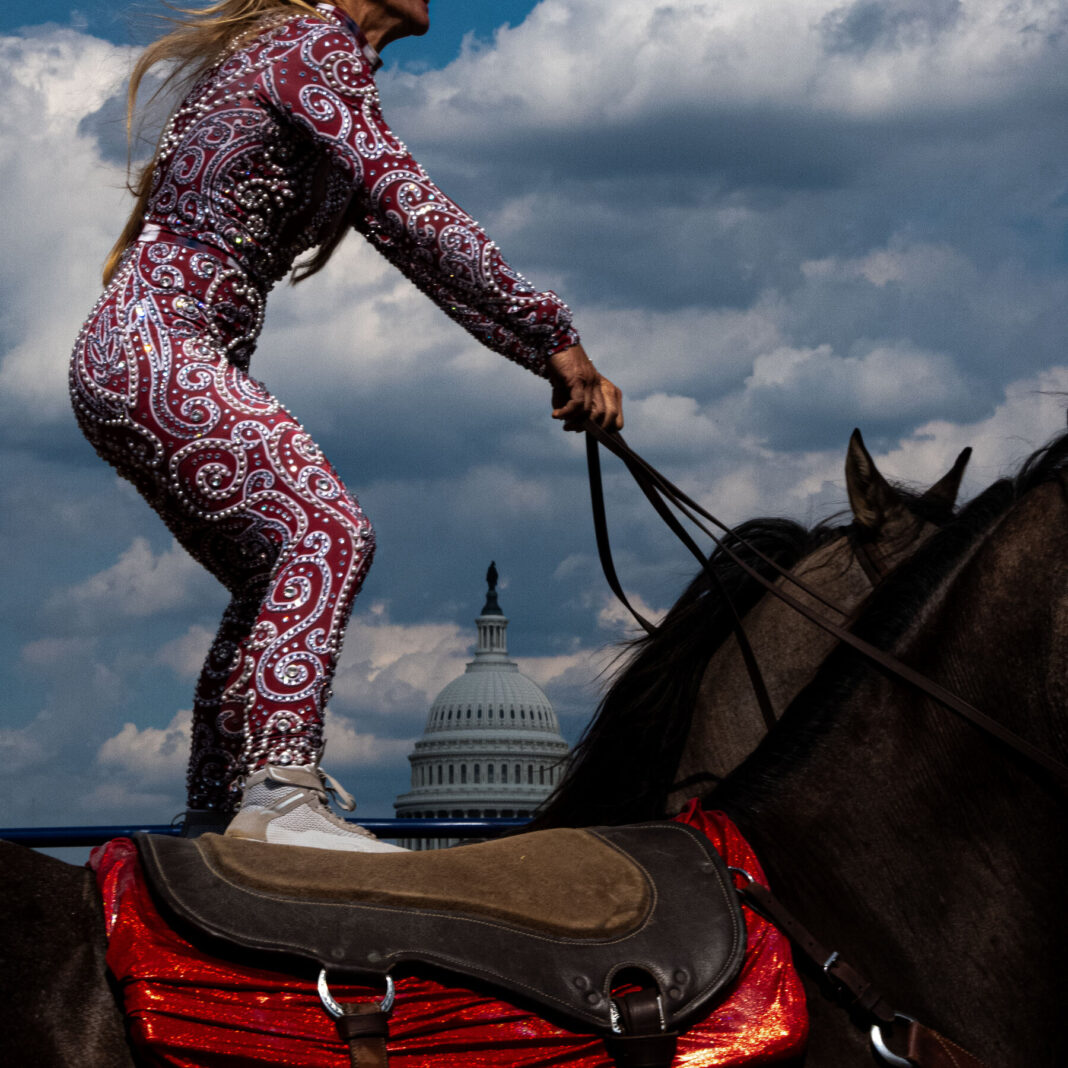
Fashion and flair were not overlooked, as sequined outfits and bold styles appeared at political functions. This aesthetic choice underscored a deliberate break from conventional Washington attire. Commentators noted that the visual messaging aimed to project energy and confidence. The trend resonated with a base that values authenticity over formality.
The cage fight, held in a major venue, became the summer’s most talked-about spectacle. It drew a diverse crowd, blending sports fans with political insiders. The event blurred lines between entertainment and political mobilization. Organizers touted it as a celebration of resilience and combativeness, themes echoed in administration rhetoric.
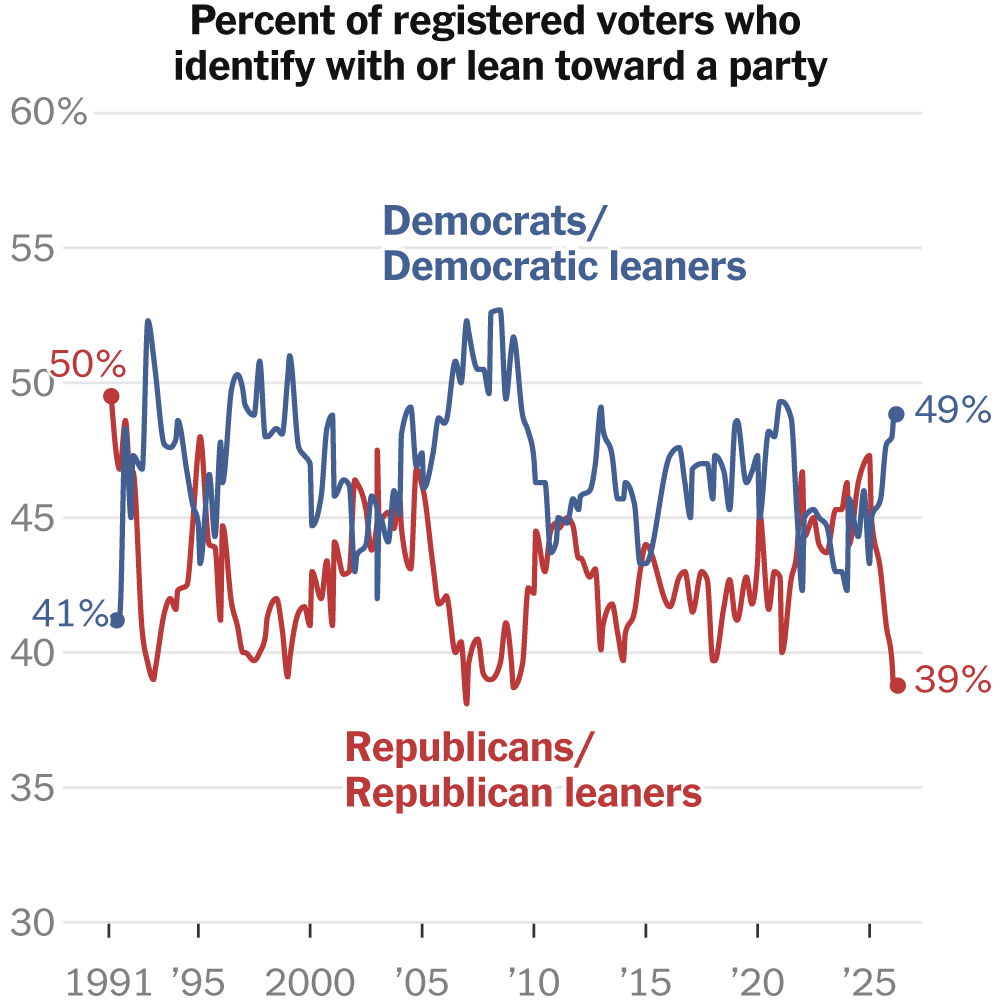
Looking ahead, the summer’s activities appear to have solidified a particular brand of politics. The fusion of business, spectacle, and nationalism is likely to shape upcoming campaigns. Analysts suggest that this approach energizes core supporters while alienating moderate voters. The full impact will be tested in the next election cycle.