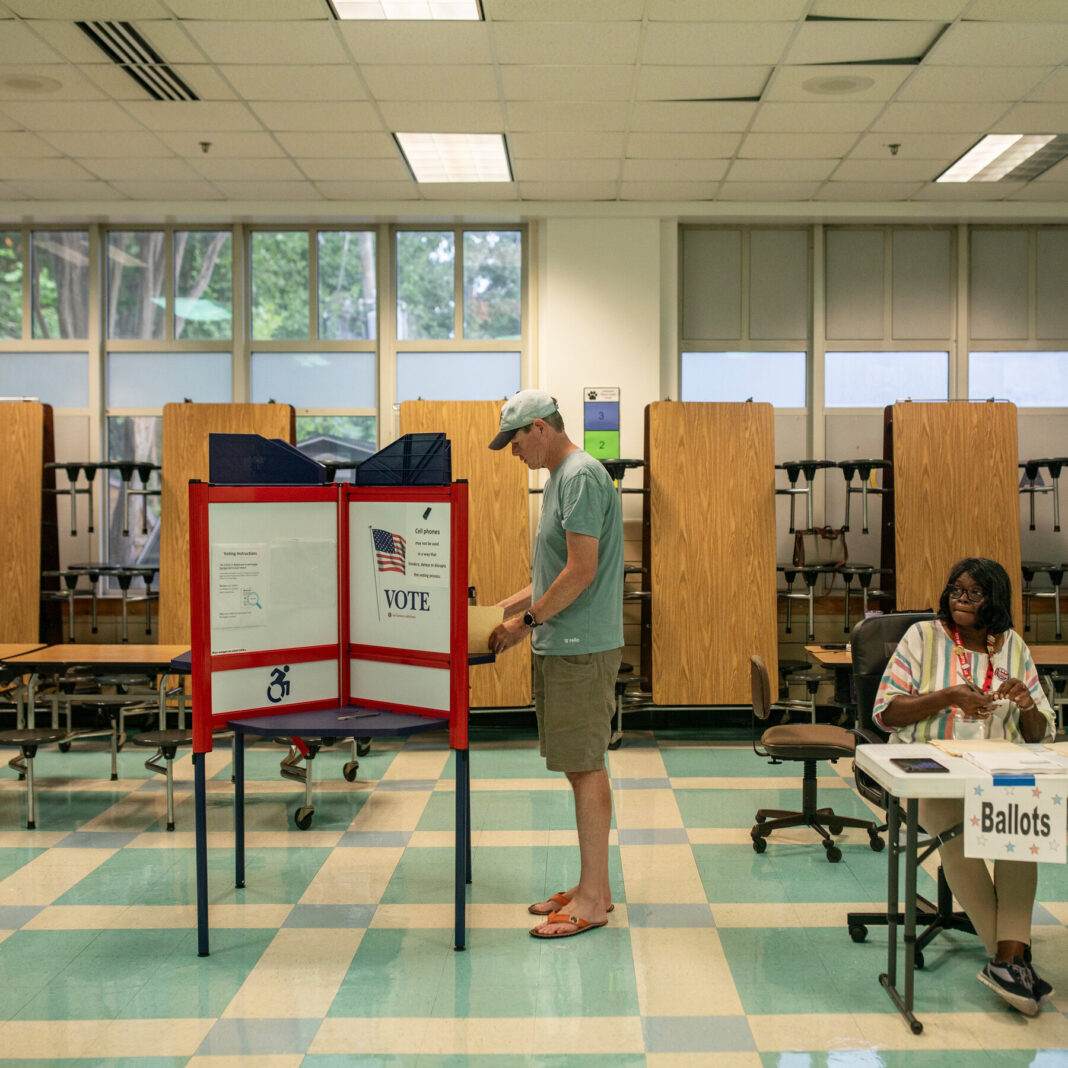
Five races this fall will provide early signals on the biggest questions facing voters in the midterm elections. From Iowa to Michigan to Texas, these contests test opinions on President Trump, progressive policies, and the ongoing war with Iran. The outcomes will likely shape political strategies heading into the next cycle.
In Iowa, a competitive House district offers a direct measure of Trump’s standing with rural voters. The incumbent Republican has tied their campaign closely to the president’s agenda. A strong challenge from a Democrat focused on agricultural trade could reveal cracks in that support. Results here will clarify whether the president’s base remains solid or shows signs of erosion.
Michigan presents a Senate race centered on labor and manufacturing policy. The Democratic incumbent faces a primary challenge from a progressive candidate advocating for sweeping economic reforms. Their debate over union rights and green jobs offers a clear test of ideas within the party. The winner will likely define the national message on working-class issues. Observers expect the primary to draw significant voter interest.
Texas features a gubernatorial contest that hinges on immigration and border security. The Republican incumbent has adopted a hardline stance, while his opponent calls for more humane enforcement measures. Rapid demographic changes add another layer of complexity to the race. Early voting patterns may indicate whether suburban voters shift their allegiances. This result could influence national conversations on immigration policy.
Illinois offers a referendum on criminal justice reform through several local prosecutor races. Progressive candidates have pushed for reduced bail requirements and alternative sentencing. Moderate incumbents argue these changes threaten public safety. Strong turnout among younger demographics may signal lasting support for reform. The mix of outcomes across districts will show the depth of this movement.
Georgia’s secretary of state race draws attention for its focus on election administration. The incumbent has faced criticism over voting access laws, while the challenger promises expanded early voting options. Both parties view this position as vital for future electoral success. Voter response to these arguments will provide clues about confidence in the system. The race holds implications beyond state lines, as similar debates occur nationwide.
Each contest gives voters a chance to voice their views on distinct national questions. Polls remain tight in several districts, suggesting uncertain outcomes. Campaign spending has reached record levels in these key areas. Analysts will monitor turnout among different demographic groups closely. The results will offer a clearer picture of the political landscape before the general election.