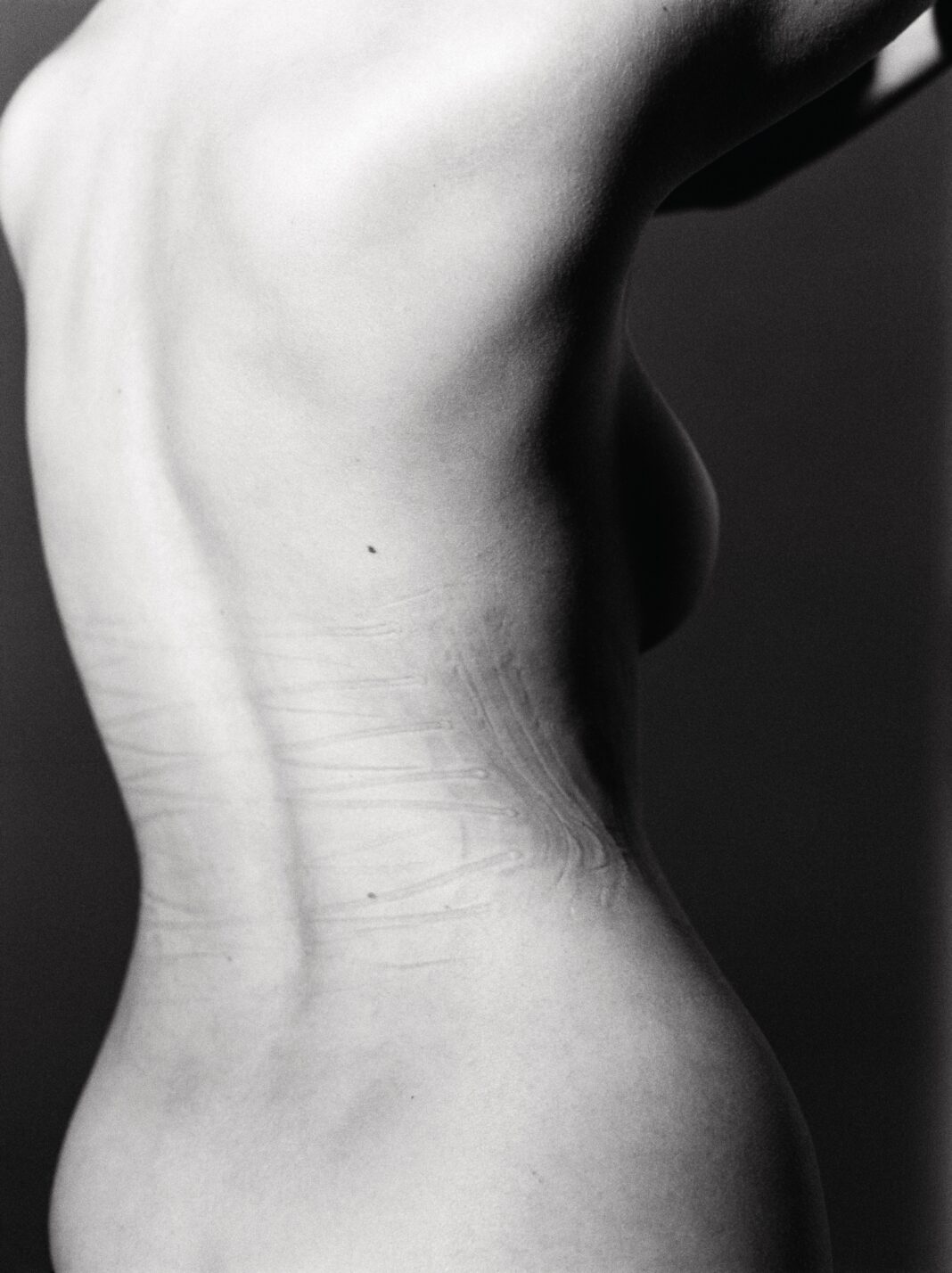
Fashion historian Valerie Steele, PhD, recently examined the complex history of undergarments on the podcast *Perspectives*. The discussion traced how corsets and bras have shaped and reinforced societal beauty standards over centuries. Steele, who serves as the director and chief curator of the Museum at the Fashion Institute of Technology, provided a detailed analysis of these garments’ evolving roles.
The narrative begins with the corset, a piece that emerged in the 16th century. Initially designed to mold the torso into a conical shape, the corset was more than simple clothing. It functioned as a tool for posture and social status, often made with rigid materials like wood or whalebone. These structures physically restricted movement, subtly tying a woman’s appearance to ideas of discipline and gentility.
By the late 19th century, reformers and medical professionals began questioning the health impacts of tight lacing. Critics argued that extreme waist compression damaged internal organs and restricted breathing. This pushback paved the way for a shift in silhouette, though the underlying goal of altering the body remained consistent. The corset did not disappear but transformed, becoming shorter and less restrictive as fashion moved toward an S-curve shape.
The early 20th century introduced the brassiere, initially marketed as a liberating alternative. Early bras were simple, often homemade garments that allowed more natural movement than their predecessors. However, Steele notes that this new garment soon adopted its own set of constraints. The flapper era of the 1920s required flattened chests, leading to bandeau-style designs that bound rather than supported.
Post-war periods brought a return to pronounced curves, with bullet bras and hourglass silhouettes dominating the 1950s. These designs relied on heavy structure and padding, reinforcing an idealized female form that was largely unattainable without artificial aid. Manufacturers promoted these shapes through aggressive advertising, linking femininity and social success to specific bodily measurements.
The latter half of the 20th century saw bras evolve into varied forms, from the push-up styles of the 1990s to the minimalist bralettes of recent years. Each shift mirrored broader cultural movements around sexuality, comfort, and body politics. Steele highlighted how these changes are rarely purely functional. Instead, they reflect ongoing negotiations between personal agency and external expectations.
Material innovation has also played a critical role in this history. The introduction of elastic, nylon, and spandex allowed for lighter, more flexible garments. Yet, flexibility did not equate to liberation. Modern beauty standards, often amplified by social media, continue to pressure individuals toward specific shapes and sizes, even if the tools have changed from steel stays to contouring fabrics.
Steele’s analysis suggests that both corsets and bras share a common thread: they externalize what a culture values in the female body. Whether through compression or enhancement, these garments communicate conformity to dominant aesthetic norms. The conversation challenges listeners to consider how contemporary choices might still be influenced by historical precedents.
Ultimately, the podcast episode offers a nuanced perspective on undergarments as cultural artifacts. It moves beyond simple good-or-bad binaries, presenting them as complex tools that have both constrained and empowered wearers across different eras. The history demonstrates that intimate apparel is never merely private; it remains a public statement of beauty and identity.