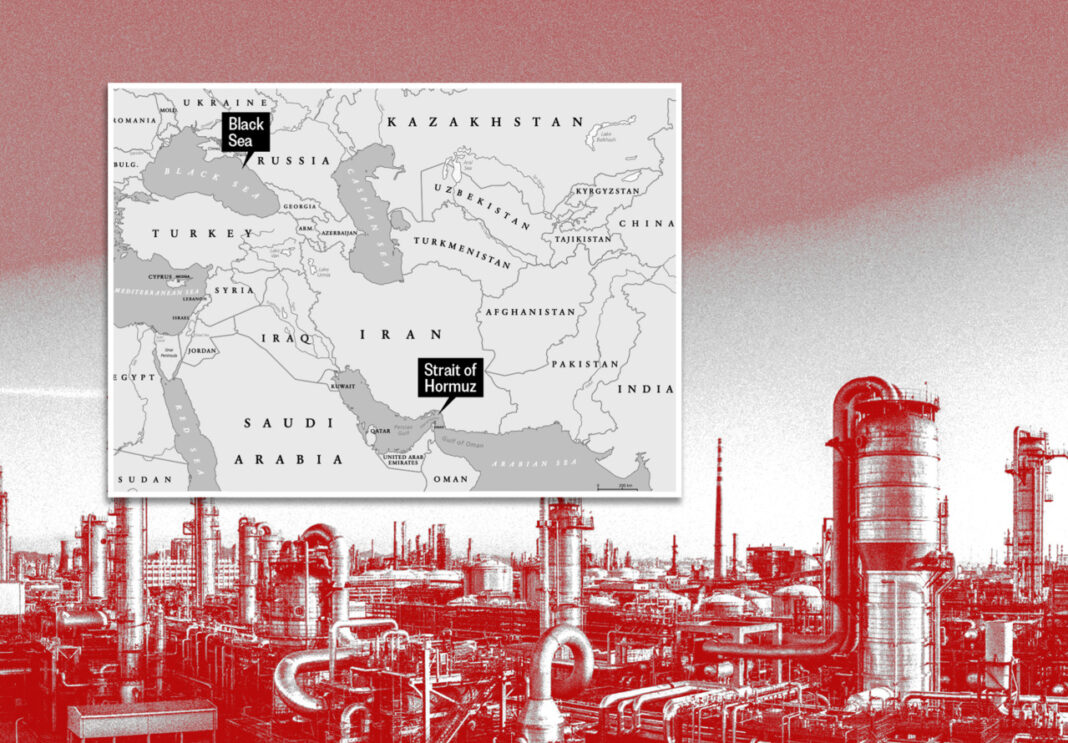
Global energy markets face renewed pressure from multiple conflicts, not just tensions near the Strait of Hormuz. A lesser-known war is now driving sharp increases in fuel and food prices worldwide. The conflict between Russia and Ukraine continues to disrupt critical supply chains far beyond the immediate region.
Diesel supplies have taken a particularly heavy hit. Refinery outages in Russia have reduced global diesel output significantly. Industry analysts describe the impact on diesel markets as massive and far-reaching.
Food prices are also climbing as fuel costs rise. Higher diesel prices increase the cost of farming, transportation, and food processing. These added expenses ultimately reach consumers at grocery stores.
The Middle East conflict typically dominates energy news coverage. However, the war in Eastern Europe is creating its own distinct price shocks. Traders and analysts now monitor both regions simultaneously for supply risks.
Russia remains a major exporter of diesel and other refined products. Recent attacks on its energy infrastructure have forced temporary refinery shutdowns. These disruptions tighten an already fragile global fuel market.
Developing nations are especially vulnerable to these price swings. Many rely on imported fuel and food, leaving them exposed to sudden cost increases. Economists warn that prolonged instability could worsen food insecurity in poorer regions.
Energy markets respond quickly to any sign of supply uncertainty. Traders factor in geopolitical risks when setting futures prices. The combined effect of two active conflicts amplifies volatility across commodities.
Consumers may see higher prices at gas stations and supermarkets in the coming weeks. Businesses that depend on diesel for logistics will likely pass costs to customers. The full extent of these price shocks remains uncertain as both wars continue.