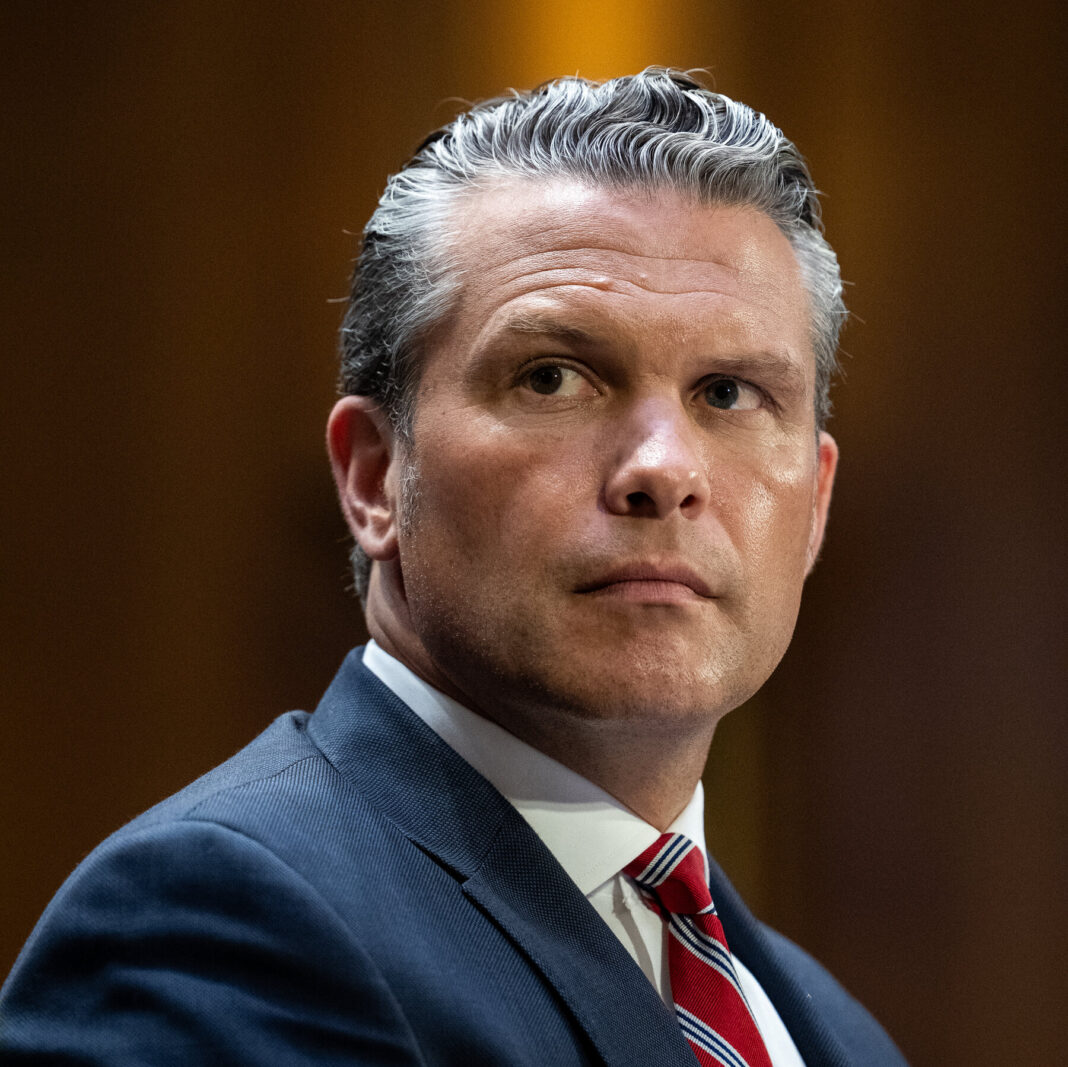
Defense Secretary Pete Hegseth entered the Pentagon vowing to end internal culture disputes. His tenure has instead produced new controversies that mirror the political battles he pledged to leave behind.
Critics say his approach has intensified partisan tensions within the department. The focus on ideological issues has diverted attention from pressing operational demands.
The U.S. military is currently managing multiple wartime challenges abroad. These include critical shortages of missile interceptors and other key munitions.
Ongoing internal distractions are fueling a climate of mistrust among military leaders. Personnel across the chain of command report growing uncertainty about the department’s direction.
Hegseth’s attempts to eliminate what he calls cultural distractions have generated their own conflicts. These new disputes have consumed time and energy needed for strategic planning.
The Pentagon faces urgent requirements to replenish stockpiles and support active missions. Delays in addressing these needs carry direct consequences for battlefield readiness.
Observers note that the secretary’s methods have created fresh divisions rather than resolving old ones. The result is a leadership environment marked by friction and competing priorities.
As wartime pressures mount, the department must balance internal reforms with external threats. How Hegseth manages this tension will shape the military’s effectiveness in the months ahead.