A growing number of experts suggest that traditional retirement may soon become a relic of the past. Economic pressures and demographic shifts are forcing a reevaluation of what later life looks like.
Social Security was originally designed as old-age insurance to prevent poverty among the elderly. However, its long-term solvency remains a subject of intense debate among policymakers.
An aging population means fewer workers are supporting a growing number of retirees. This demographic imbalance puts significant strain on the program’s financial reserves.
Some analysts predict that the system will eventually disappear entirely. Without significant reform, benefit cuts or insolvency could become a reality in the coming decades.
For many workers, the concept of a work-free retirement is already out of reach. Stagnant wages and rising living costs have made saving enough for a comfortable retirement increasingly difficult.
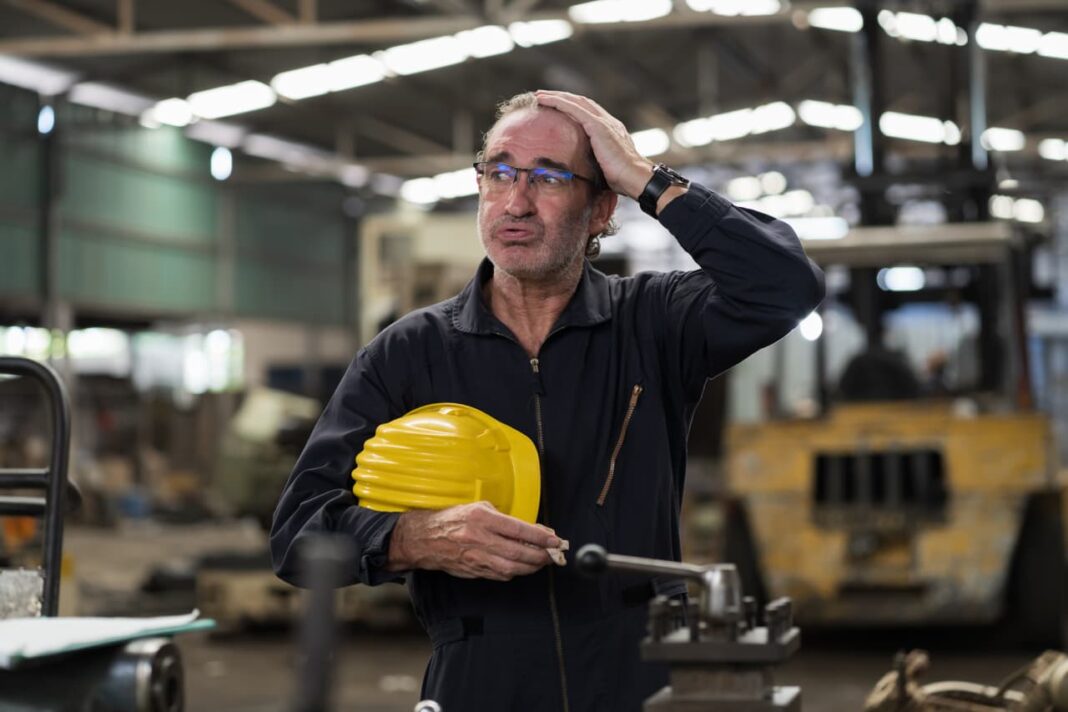
As a result, more older adults are choosing to remain in the workforce past traditional retirement age. Some do so for fulfillment, but many simply cannot afford to stop working.
This shift requires a fundamental change in how society views aging and employment. Policies must adapt to support older workers who need or want to keep earning.
The future of retirement may not be a life of leisure, but rather a continuation of work in some form. Preparing for this reality is essential for both individuals and governments.