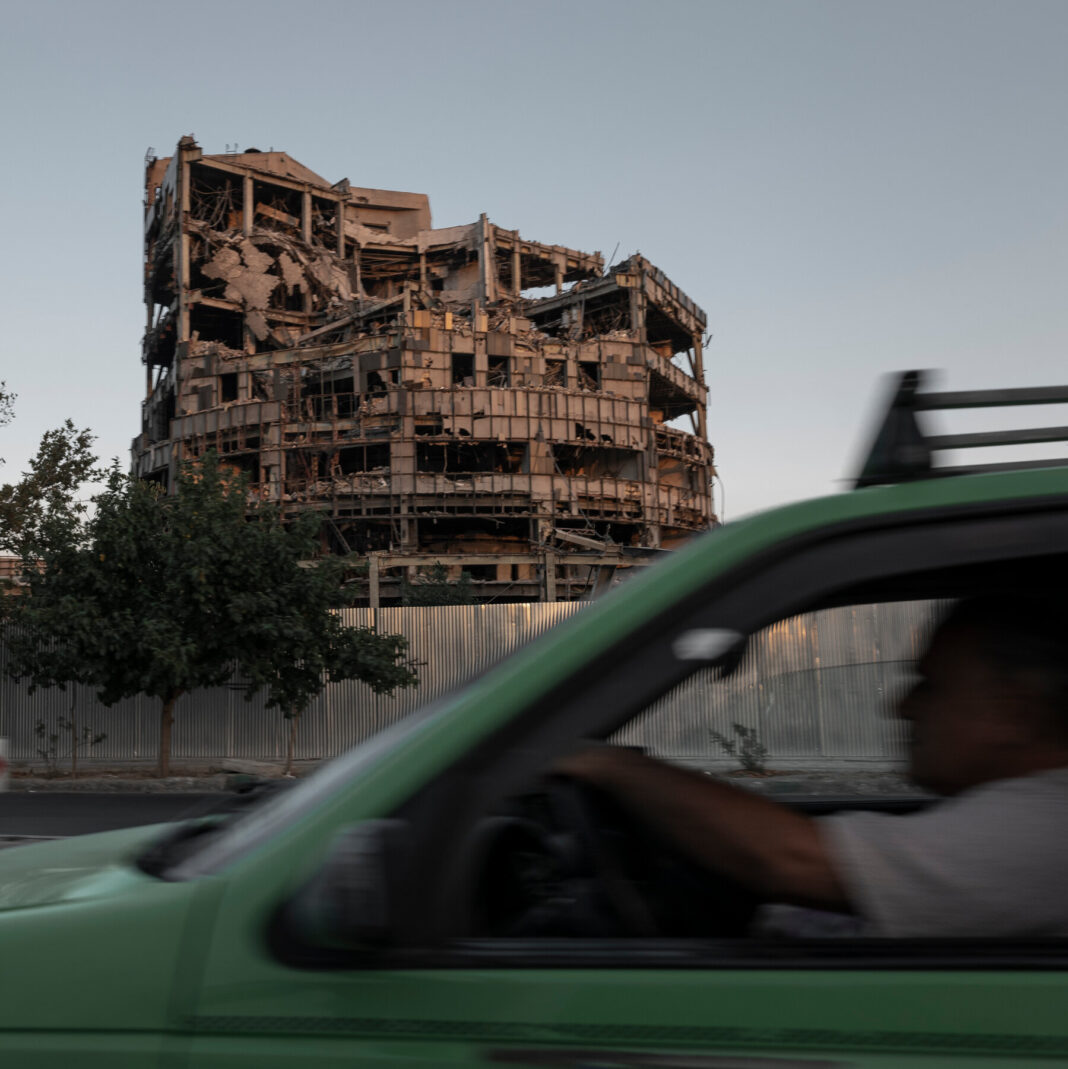
The Congressional Budget Office has estimated that the war with Iran has cost the United States $38 billion. The independent analysis was released as lawmakers press for greater transparency on military spending. The figure covers operations, munitions, and related expenses since the conflict began.
The estimate remains incomplete. The Defense Department did not respond to requests for cost information, the budget office said. That lack of cooperation limited the scope and precision of the analysis. As a result, the true cost could be higher than reported.
Lawmakers from both parties have demanded more detailed accounting. The war has drawn scrutiny over its duration and strategic goals. Questions persist about how long operations will continue and at what expense. The budget office noted that its findings are based on available data only.
Military spending on the conflict includes airstrikes, naval deployments, and troop support. Each of these carries significant logistical and financial burdens. The costs extend beyond direct combat to include equipment repairs and replacements. Those indirect expenses often accumulate over time.
The Pentagon has not publicly explained its failure to provide cost data. Officials have cited operational security concerns in the past. However, critics argue that such reasoning can obscure fiscal accountability. The budget office’s estimate therefore stands as one of the few independent assessments available.
Congress has yet to pass a supplemental funding package for the war. Debates over the conflict’s price tag are likely to intensify in upcoming budget hearings. Some members have called for a clearer accounting before approving more money. Others warn that delayed funding could affect military readiness.
The $38 billion figure does not include long-term costs such as veterans’ care. Future interest payments on war-related debt could also add billions. Those factors make the full financial impact difficult to calculate now. The budget office acknowledged these limitations in its report.
Public opinion on the war remains divided. Polling shows growing concern about its economic impact amid other domestic priorities. The cost estimate may fuel further debate over U.S. military engagement abroad. Lawmakers are expected to request updated figures in the coming months.