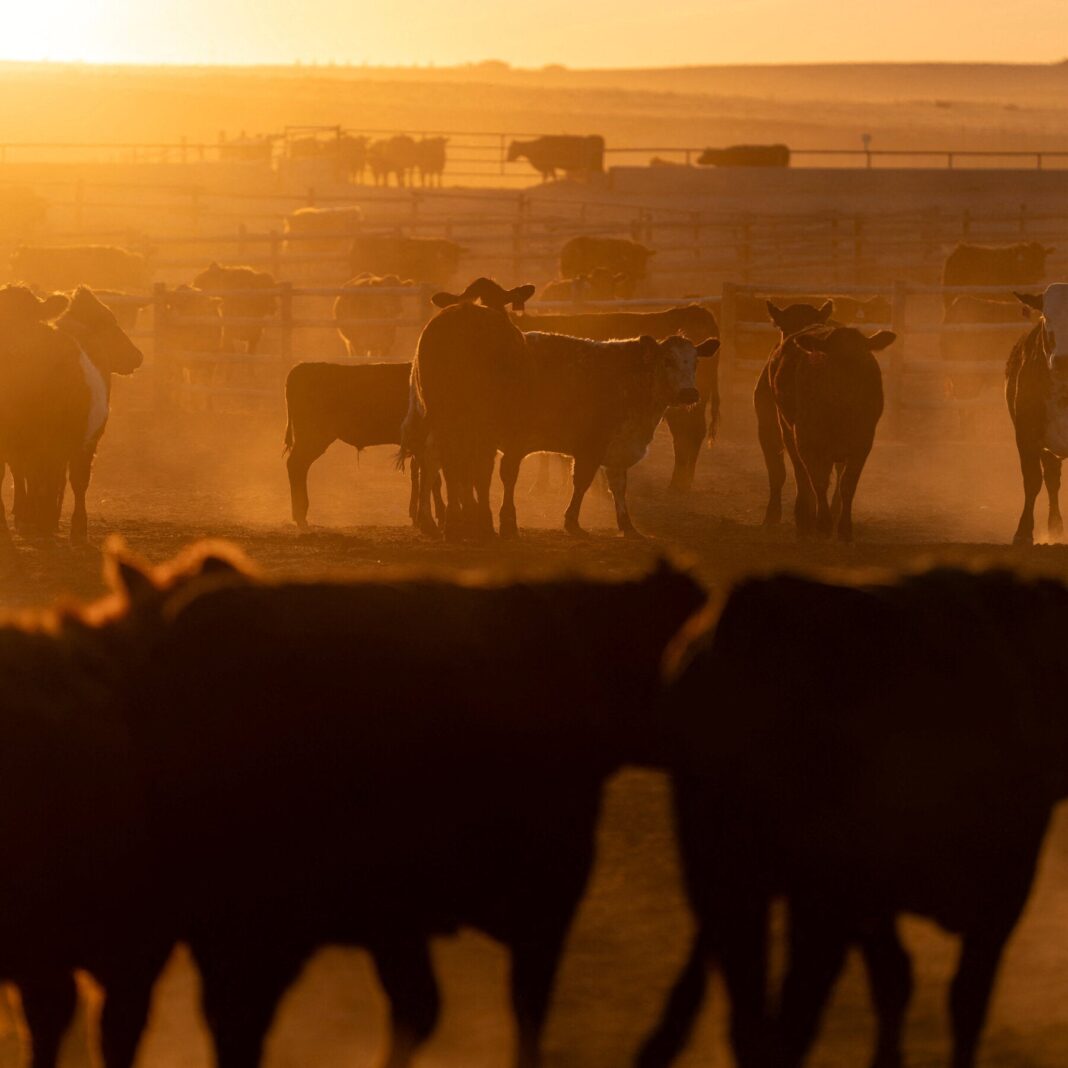
Federal immigration raids across Texas, Oklahoma, and Kansas have disrupted cattle operations in the heart of beef country. Industry groups say the enforcement actions are straining a workforce already stretched thin. The raids have intensified concerns about rising beef prices.
The Trump administration’s immigration crackdown has targeted meatpacking plants and ranches in the region. Two Republican senators have joined cattle industry groups in criticizing the operations. They argue the actions harm local economies and food production.
Ranchers depend heavily on immigrant labor for feeding, processing, and transporting cattle. Sudden detention of workers leaves operations shorthanded and unable to maintain normal schedules. This disruption threatens the stability of the regional beef supply.
Cattle industry representatives warn that labor shortages will drive up production costs. Higher costs for ranchers and processors typically pass through to consumers. Retail beef prices could climb if the raids continue at the current pace.
The two senators, representing major cattle states, have urged the administration to reconsider its approach. They support border security but say mass workplace raids hurt legal businesses. A more targeted enforcement strategy would reduce economic damage, they argue.
Meatpacking plants in Kansas and Texas have already reported reduced output after losing workers. Some facilities have slowed processing lines or cut shifts. Ranchers face delays in getting cattle to market, adding further pressure.
Analysts note that beef prices were already elevated before the raids. Drought and high feed costs had tightened supplies over the past year. Immigration enforcement adds another layer of uncertainty to an already fragile market.
Consumers may see the effects gradually rather than immediately. Grocery stores often absorb short-term price swings before passing them on. However, prolonged labor shortages could lead to sustained increases in beef prices.
Industry groups are calling for a stable visa program for agricultural workers. They say a reliable legal workforce would reduce reliance on undocumented labor. Without reform, they warn, enforcement actions will continue to disrupt food production.
The situation remains fluid as raids expand across the three states. Ranchers, processors, and lawmakers are watching closely for further developments. The outcome will shape both the beef industry and consumer prices in the months ahead.