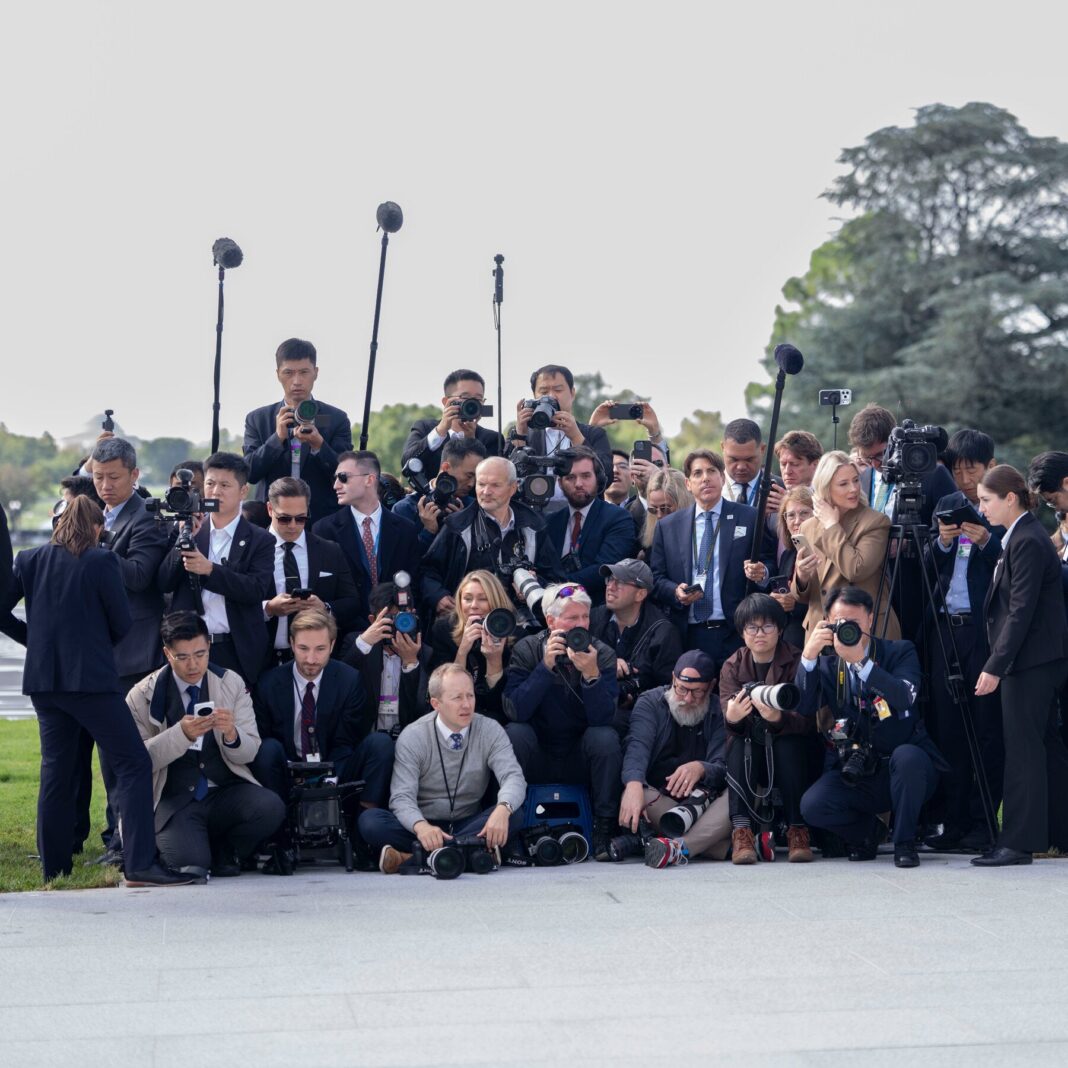
A seven-day standoff between the White House and major news networks ended in an uneasy truce this week. The dispute began with an abrupt decree restricting press access to certain briefing areas. Networks quickly organized a coordinated boycott in response. The confrontation marked a rare, unified pushback from the press corps.
Legal experts entered the fray as the standoff stretched on. A federal judge issued a temporary intervention to protect credentialed journalists. The administration then paused enforcement of the original decree. Talks resumed behind closed doors, leading to a limited compromise. Neither side claimed a clear victory.
The White House had argued that new rules were needed for order and security. Press advocates countered that the restrictions targeted specific outlets. They warned that such limits could chill routine reporting. The seven-day freeze became a test of institutional boundaries. Both sides watched public reaction closely.
Network executives met privately to coordinate their response. They agreed to withhold coverage from pooled events until access was restored. That collective action forced the administration back to the table. The boycott remained firm despite pressure from some political allies. It ended only after written assurances were offered.
The legal intervention came from a federal judge in Washington. The ruling blocked immediate enforcement of the most severe access limits. It cited First Amendment concerns and prior case law. The decision was temporary but carried symbolic weight. It signaled that courts would not rubber-stamp the decree.
The détente that followed is fragile and narrowly defined. Credentials were restored for most outlets, but with new sign-in requirements. Some restrictions on movement inside the building remain. The press corps accepted the terms without conceding the principle. Both sides described the outcome as a pause, not a resolution.
Media analysts say the episode revealed shifting norms in presidential-press relations. The rapid boycott showed new willingness to act collectively. The legal challenge demonstrated a backup strategy beyond negotiation. Yet the underlying tension over access and transparency persists. Similar conflicts are likely to recur.
For now, daily coverage has resumed under revised rules. Reporters remain wary of further unilateral changes. The administration has not ruled out new decrees. The seven-day standoff left a clear lesson: confrontation carries costs for both sides. The relationship remains adversarial but functional.