Injectable wrinkle fillers offer a non-surgical way to reduce facial lines and restore volume. These treatments use substances like hyaluronic acid to plump skin from within. Results appear quickly, though they are temporary.
Dermatologists classify fillers by their main ingredient and intended use. Hyaluronic acid fillers add moisture and volume to soften folds. Calcium hydroxylapatite and poly-L-lactic acid stimulate collagen over time.
The most common areas treated include nasolabial folds, marionette lines, and thin lips. Some fillers also correct under-eye hollows and cheek volume loss. Each product suits specific skin depths and concerns.
Hyaluronic acid fillers like Juvederm and Restylane remain the most popular choice. They are reversible with an enzyme if complications arise. Results typically last six to eighteen months.
Longer-lasting options include Radiesse and Sculptra. Radiesse provides immediate structure and gradually breaks down. Sculptra works by prompting the body to produce new collagen.
Risks involve bruising, swelling, and rare vascular blockages. Only licensed medical professionals should perform these injections. Choosing an experienced provider reduces complications significantly.
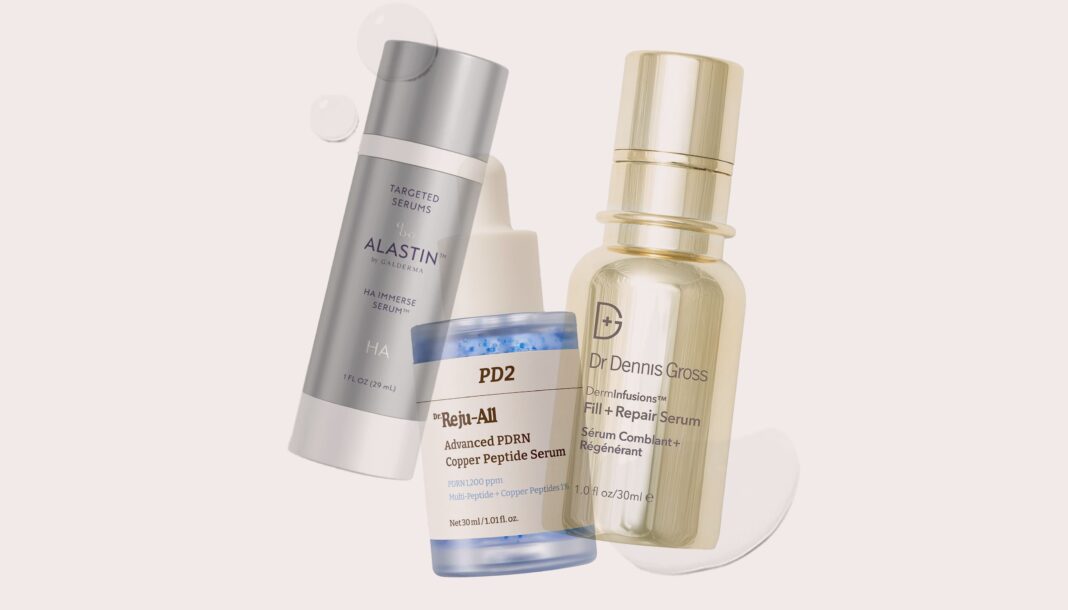
Topical creams and serums cannot replicate filler results. Over-the-counter products only hydrate the skin’s surface. They do not restore lost volume or erase deep wrinkles.
Costs vary widely based on product, provider, and geographic location. A single syringe can range from several hundred to over a thousand dollars. Most patients need multiple sessions for optimal results.
Maintenance injections are required to sustain the effects. The body eventually metabolizes all filler materials. Scheduling follow-ups every six to twenty-four months is standard.
Consultation with a board-certified dermatologist or plastic surgeon is essential. They assess facial anatomy and recommend the right product. Personalized treatment plans yield the most natural outcomes.