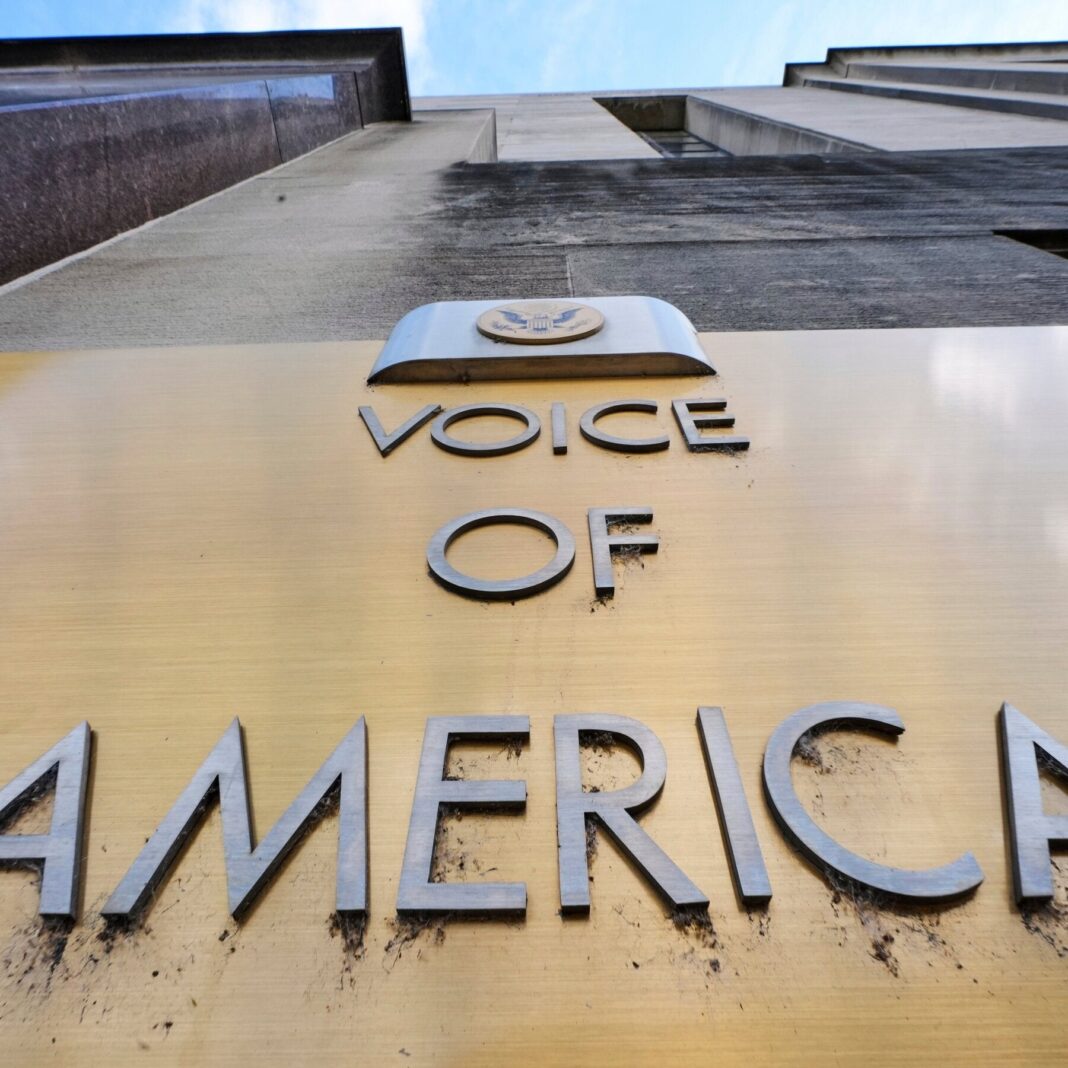
An internal State Department watchdog has warned that recent cuts to Voice of America are damaging U.S. national interests. The findings appeared in a report released on September 29. The assessment was produced by the department’s Office of the Inspector General.
The report states that reducing V.O.A.’s operations has weakened a key tool of American public diplomacy. It notes that the broadcaster reaches audiences in regions where access to free information is limited. The watchdog concludes that the cuts undermine the country’s global informational reach.
The findings echo objections raised by critics of the decision to shutter V.O.A. Several Republican lawmakers have joined Democrats in questioning the move. They argue that closing the outlet creates a vacuum that rival nations could fill.
The inspector general’s review examined how the cuts affect programming, staffing, and international broadcasting. It found that essential services have been scaled back or stopped. Some foreign-language broadcasts have gone off the air entirely.
Internal documents show that managers were told to prepare for significant reductions. The report describes a rushed process that left many employees uncertain about their future. It also highlights the loss of experienced journalists and technical staff.
Supporters of the cuts argue that V.O.A. is outdated and costly to operate. They claim the network duplicates work done by other government-funded outlets. The watchdog report pushes back on that view, stating that V.O.A. serves a unique role.
The report recommends that Congress and the State Department review the impact of the cuts. It suggests restoring some critical broadcasts if funding becomes available. Lawmakers are expected to hold hearings on the matter in the coming weeks.
The debate reflects a broader disagreement over the role of government-funded media. Critics of the shutdown say the move sends a signal that the U.S. is retreating from global engagement. The inspector general’s assessment adds weight to those concerns.