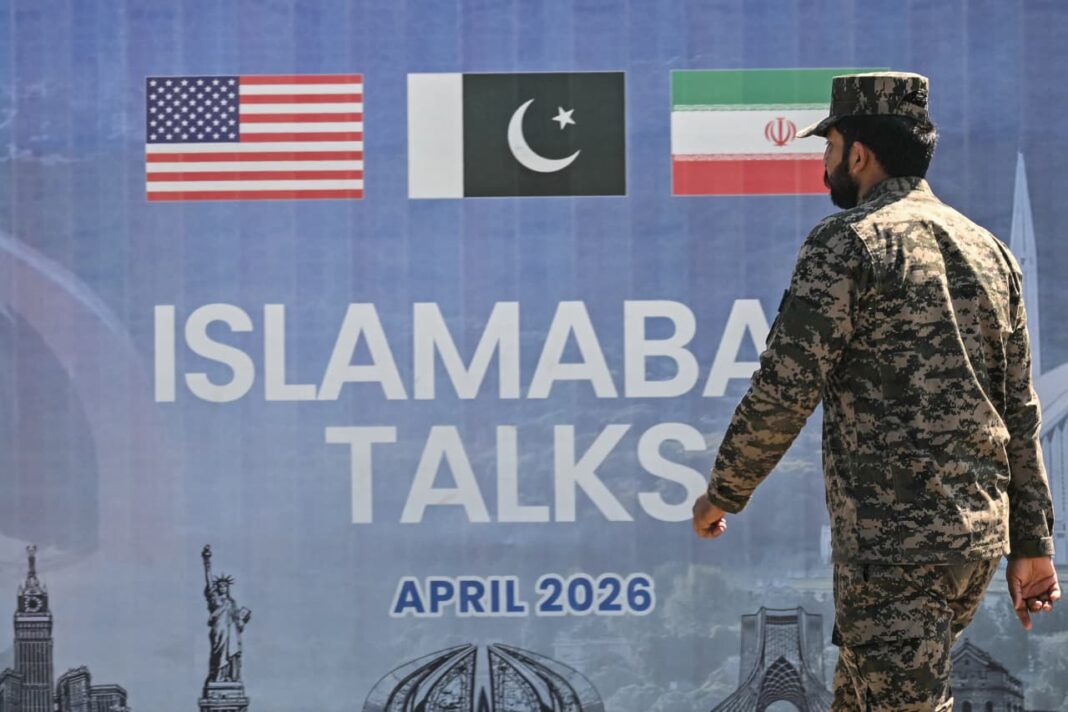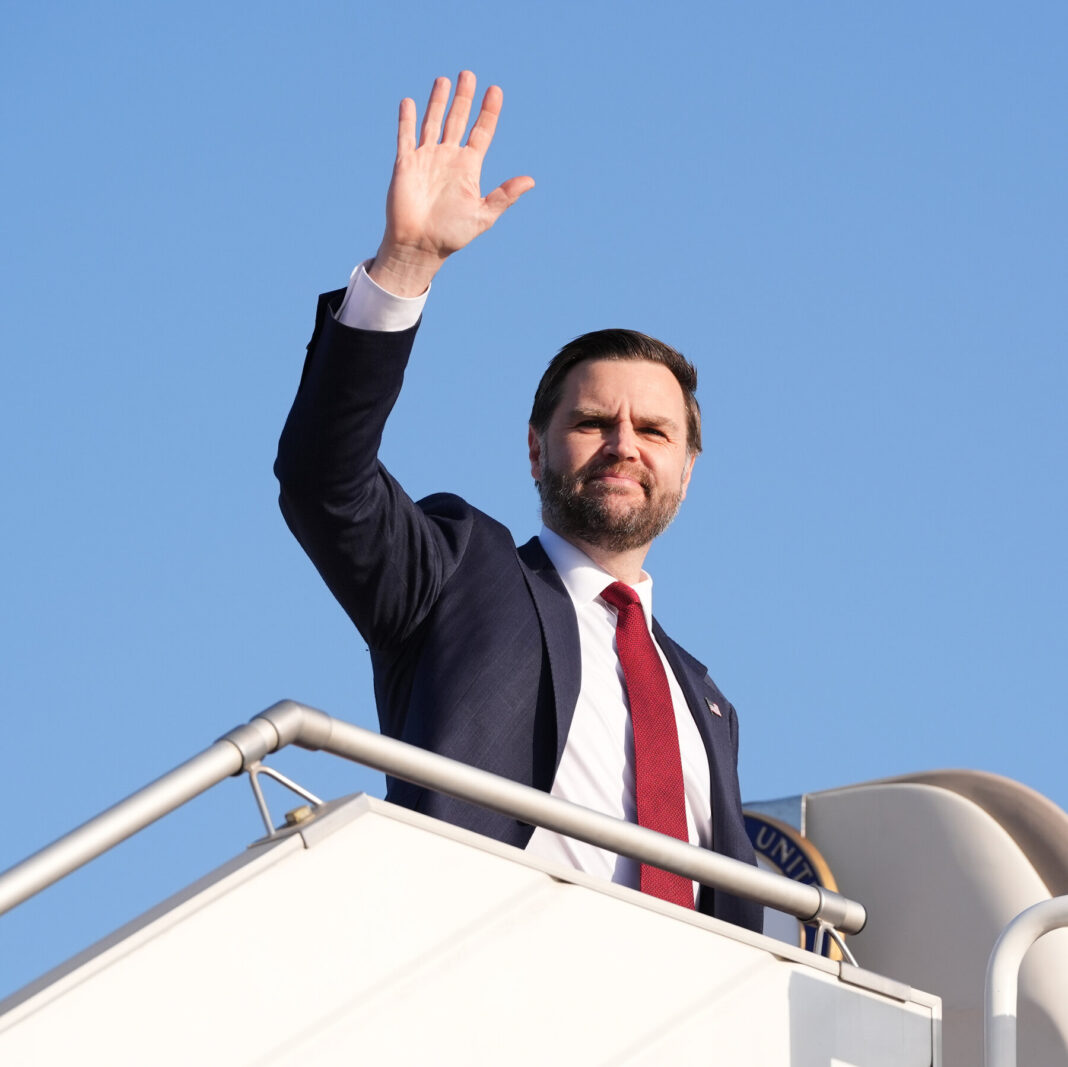
The latest round of high-stakes nuclear talks with Iran has concluded without an agreement. Negotiators, led by U.S. Secretary of State J.D. Vance, departed after an intensive 21-hour session.
This failure to secure a deal presents a significant diplomatic setback. The Trump administration now confronts a narrowed set of complex and difficult policy choices.
A return to stricter economic sanctions is one potential path under consideration. Such a move would likely escalate tensions further in the region.
Military options, long discussed as a last resort, may receive renewed attention from certain administration advisors. This prospect raises concerns about broader instability.
Conversely, some analysts advocate for a return to the negotiating table. They argue that diplomacy, despite this setback, remains the only viable long-term solution.
The immediate future of U.S.-Iran relations appears increasingly uncertain. Both sides have signaled a hardening of their respective positions following the talks.
International observers warn that the window for a peaceful resolution may be closing. The absence of a deal increases the risk of miscalculation and conflict.