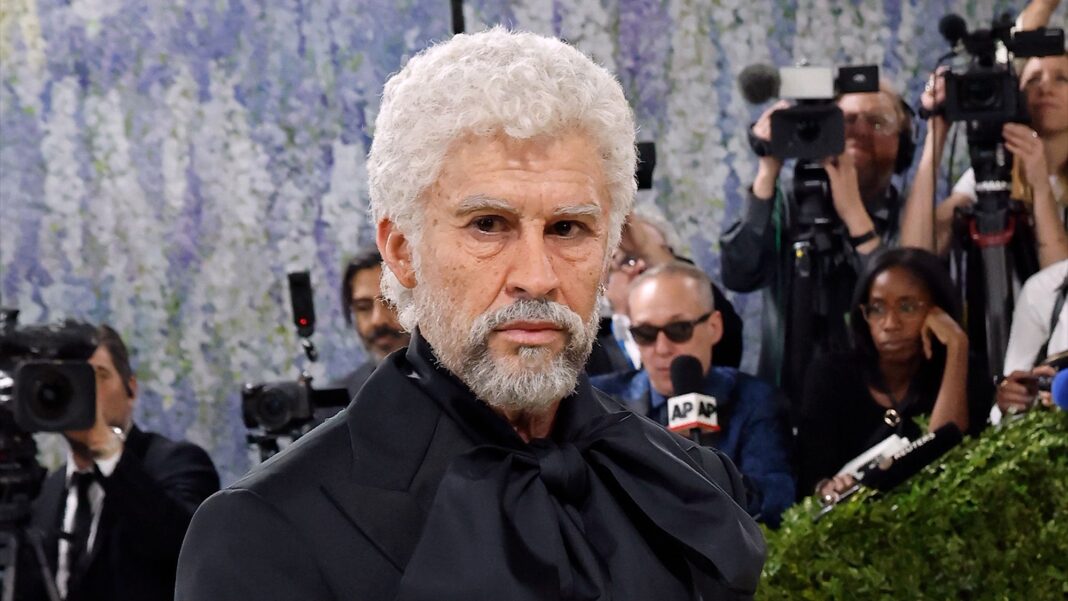
The wrinkles and age spots applied as makeup on Bad Bunny for the Met Gala received widespread praise and excitement. However, the same visible signs of aging on actual older people often provoke discomfort or disgust.
This contrast reveals a troubling double standard in how society views aging. When artificial techniques mimic old age for art or fashion, audiences celebrate the creativity. But natural aging in daily life is frequently stigmatized.
The reaction highlights a deep-seated cultural bias against the physical realities of growing older. Wrinkles, age spots, and other changes are accepted as aesthetic choices but rejected as natural processes.
This disconnect affects how older individuals are perceived and treated. The same features praised on a celebrity in a stylized setting become sources of shame or invisibility for everyday people.
The response to Bad Bunny’s look underscores the need to challenge these conflicting attitudes. True acceptance of aging means embracing its visible signs in all contexts, not just when they are curated for entertainment.
Changing this mindset requires recognizing aging as a normal and valuable part of life. Artificial portrayals of old age should not be celebrated at the expense of respecting real older people.
The fascination with temporary makeup should not overshadow the beauty and dignity of natural aging. Society must reconcile its admiration for artistic depictions with genuine respect for the people who live with those features every day.