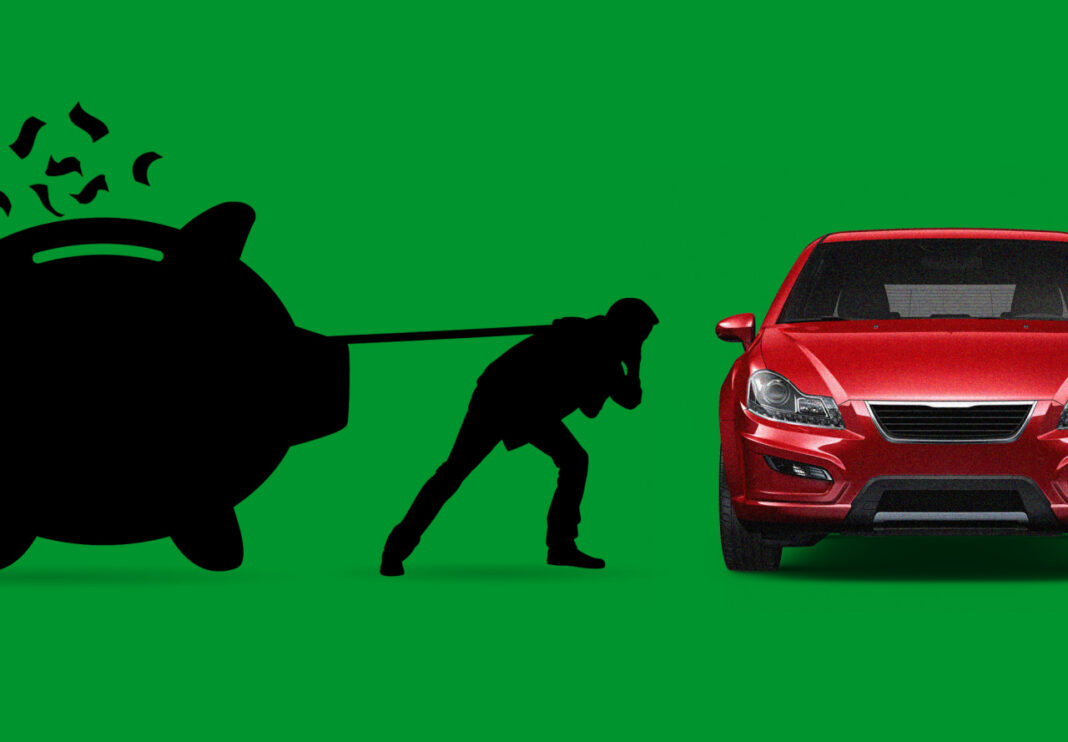
The cost of buying and owning a car has climbed beyond the reach of many American households. Rising sticker prices and elevated auto-loan rates have reshaped what counts as affordable. Even used vehicles now strain budgets that once covered a new car.
Lenders and financial advisers often cap total vehicle costs at around 10% to 15% of monthly take-home pay. That benchmark now rules out much of the market for average earners. A typical used car payment can exceed that limit in many regions.
New-vehicle prices have hovered near record highs for several years. Automakers shifted toward larger, feature-heavy models that carry higher MSRPs. Those choices lifted the average transaction price well above historical norms.
Interest rates add another layer of strain. The Federal Reserve’s rate hikes raised borrowing costs across the board. Auto loans now carry APRs that can double what buyers paid just a few years ago.
The combined effect hits lower- and middle-income buyers hardest. A household earning $60,000 may find few new cars within a safe budget. Even a modest used sedan can push monthly costs past recommended limits.
Higher earners face pressure too, though with more room to maneuver. A $150,000 income still supports a wider range of vehicles, but not without trade-offs. Insurance, fuel, and maintenance add costs beyond the monthly payment.
Some buyers stretch loan terms to seven years or more to lower payments. That strategy reduces monthly outlays but raises total interest paid. It also keeps owners upside down longer on depreciating assets.
The numbers suggest a structural shift, not a temporary spike. Supply-chain disruptions eased, yet prices stayed high. Analysts point to lasting changes in what automakers build and what buyers accept.
For now, affordability depends less on income alone and more on total cost of ownership. Shoppers who track insurance, fuel, and repair bills alongside the sticker price get a clearer picture. That math increasingly determines who can drive and who cannot.